
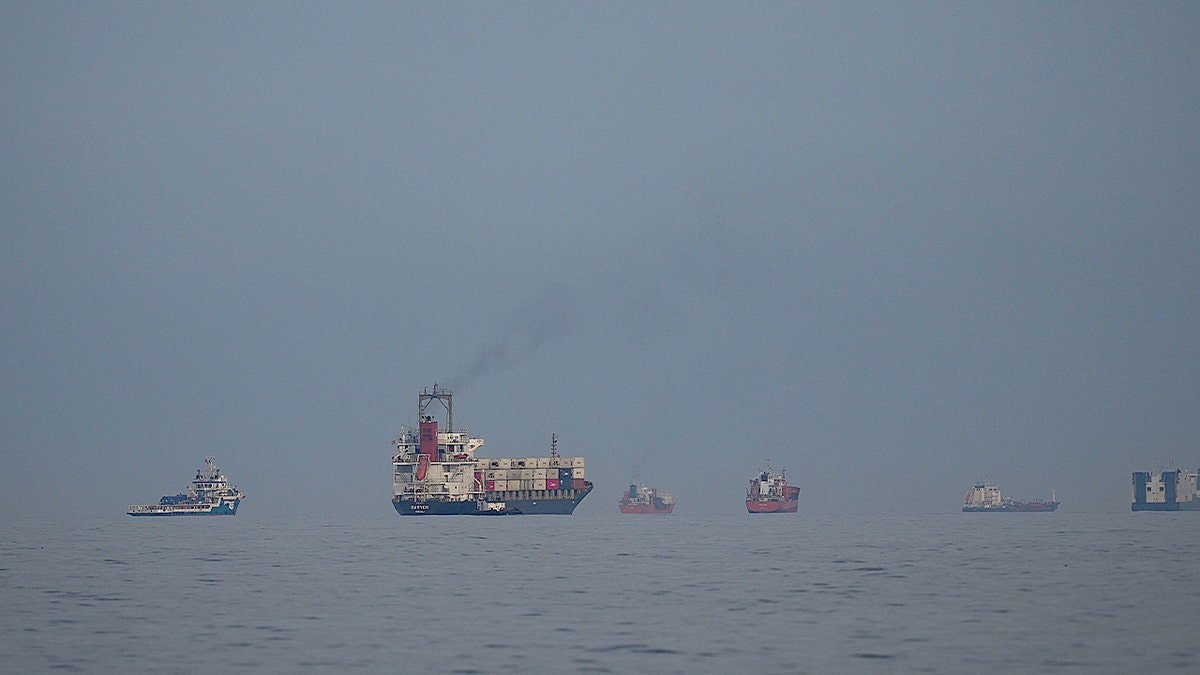
Listen to Fox News articles! Iran’s attempt to close the Strait of Hormuz in July highlighted vulnerabilities in our navigation systems. Over 1,100 vessels reported GPS and AIS interference in one day, a stark reminder of potential disruption in major waterways. Ships appeared in unusual locations on tracking systems, forcing crews to rely solely on radar for navigation when satellite guidance failed. This incident shows the broader threat against global satellite infrastructure.
The United States depends on another critical system: the Global Positioning System (GPS). This system timestamps financial transactions, synchronizes power grids and cellular networks, and guides various transport and military operations. Designed in the 1970s, GPS now bears the load of modern global needs. Recent data shows aviation experienced approximately 430,000 jamming and spoofing incidents in 2024, marking a 62% yearly increase. Simple jammers are increasingly accessible and affordable.
According to Gen. Jack Keane, placing trust in Iran regarding the Strait of Hormuz is risky. In combat, reliable navigation is essential. Past Ranger missions often relied on GPS without direct acknowledgment. Today, the system is less secure, with U.S. forces entering vulnerable situations using outdated technology. Satellite signals remain weak and susceptible to interference.
China has swiftly adapted to these challenges. The Chinese Communist Party is deploying low Earth orbit (LEO) satellite constellations that broadcast stronger signals with electronic warfare capabilities in mind. Their strategy aims at dominating 21st-century navigation.
Congress has expressed concern over the U.S. lagging behind in satellite navigation. The real solution lies with U.S. private industry, where companies are innovating rapidly. American firms are launching stronger LEO satellites with private funding, offering signals far superior to GPS. These satellites enhance spoofing resistance, provide precise accuracy, and require only software updates for integration with current equipment.
The Space Force has acknowledged this trend. It has shifted focus from government-owned projects to collaborating with commercial services. The fiscal year 2027 defense bill proposes testing LEO providers for resilience against jamming and spoofing, and rapid satellite replacement.
To effectively address these challenges, three actions are essential: First, Congress should fund the commercial LEO demonstration and services as outlined in the 2027 defense appropriations. This would cost significantly less than government initiatives. Second, the Department of Defense should procure services from private sectors already deploying operational satellites. Third, set resilience standards for critical infrastructures susceptible to GPS vulnerabilities.
In 1973, the U.S. revolutionized global navigation with its satellite constellation. As adversaries find new ways to exploit vulnerabilities, future navigation supremacy will belong to those who prioritize resilient solutions. American industry has made substantial progress. The U.S. government’s ability to adapt will decide whether America maintains its historical advantage or loses to rising powers.