
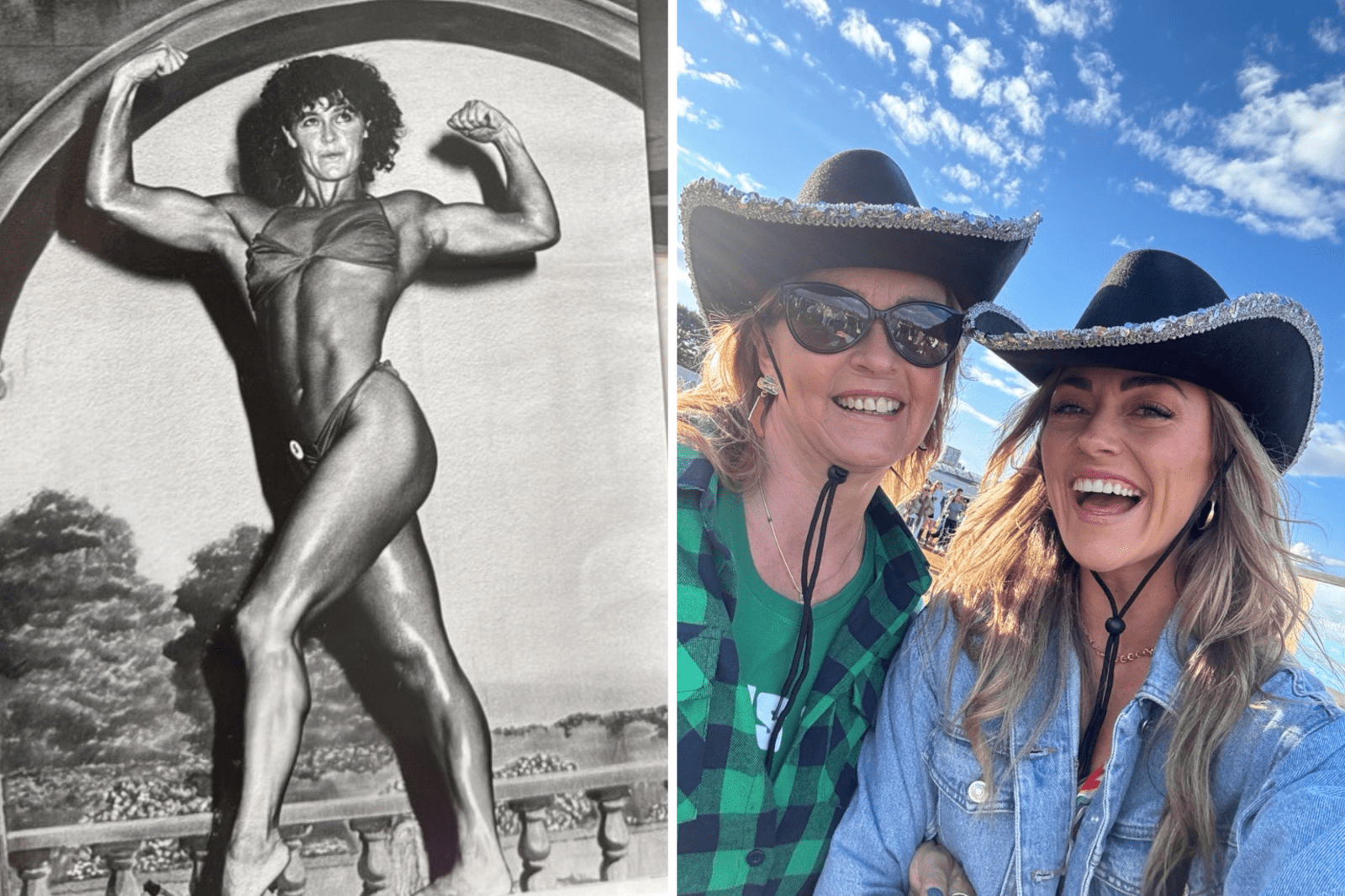
As I grew up, my mom was the strongest and fittest person I knew. She had an impressive background in gymnastics, representing Great Britain. Her journey led her to bodybuilding and a career in gyms. Fitness, family, and adventure defined her. When my brother and I were five and seven, our parents took us out of school to travel the world, with mom homeschooling us during that time.
Mom brought energy into every room and inspired us to enjoy life fully. However, in her early 50s, a change began. She started pulling away, experiencing mood swings, depression, and isolation. It was unlike her usual family-centered self. Doctors initially suggested it might be a midlife crisis, menopause, or typical changes for her age. Her young age didn’t suggest a neurological issue.
The uncertainty impacted our family deeply. We didn’t fully understand the situation. Then, at 57, she struggled with language and communication. After several tests, she was diagnosed with early-onset Alzheimer’s, affecting approximately 7.75 million people worldwide aged 40 to 64. This news was both a relief and heartbreaking.
Doctors tried medication to slow the disease, but there is no cure. Alzheimer’s usually affects older individuals, making the diagnosis difficult to accept. Despite this, she understood her condition, affecting her mental health significantly.
My brother and I, both in our 20s, became her power of attorney. It was challenging, as her independence, including driving, was lost. Fear set in because medication could only slow the disease’s progression.
We realized grief isn’t solely about losing someone physically. We mourned our mom even as she was with us, watching her change. It remains the most challenging experience for our family. Today, seven years since her diagnosis, mom still lives at home with the help of dedicated carers. She can’t manage daily tasks alone, but we learned life continues beyond a diagnosis.
Initially, we overprotected her, which wasn’t right for any of us. Now, movement, music, and shared experiences are vital. Without words, dancing and walking allow us to connect. Maintaining identity and confidence is essential for those living with Alzheimer’s. Her pride in her bodybuilding days persists.
Initially, I kept our story private. But many families silently face similar challenges. We didn’t give up, sharing our journey online, like a video of wedding dress shopping. I feared mom wouldn’t understand, yet the day was beautiful. We both cried seeing the first dress. Despite verbal limitations, her pride was clear.
Mom remembers the dress-shopping trip, proving that Alzheimer’s still allows for joy and connection. Sharing our story might help families recognize dementia’s impact on younger people and encourage them to make memories. Alzheimer’s changed our lives but hasn’t removed mom’s joy, love, and connection. These moments remain significant, and we treasure them.
Talilla Henchoz, an online fitness coach from Surrey, shares this story to raise awareness of early-onset Alzheimer’s. Her mother, Debbie Henchoz, a 64-year-old marketing manager for gyms and a grandmother, navigates this condition.