
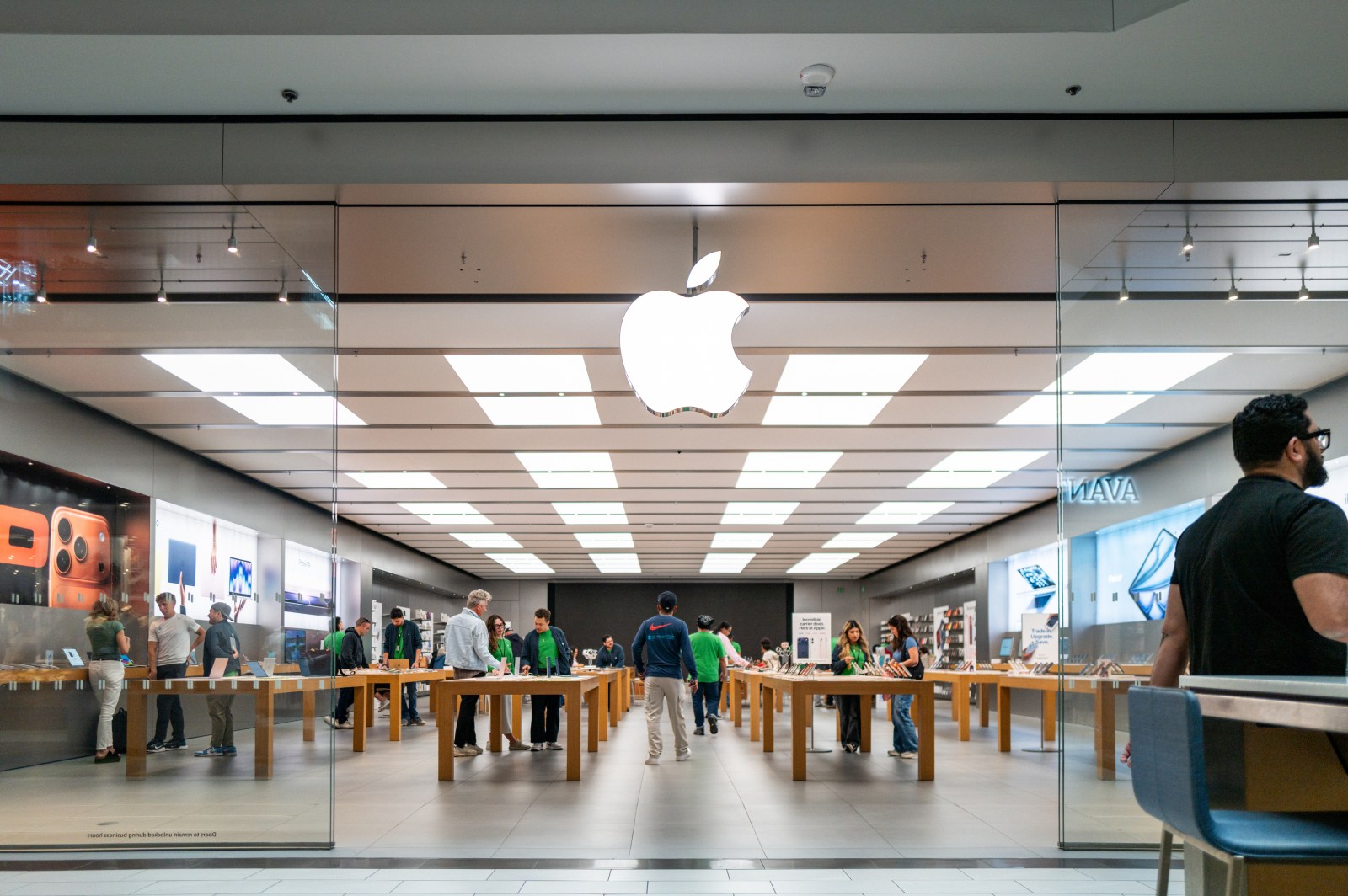
Apple has reclaimed billions from tariffs recently annulled, but its customers may not benefit directly from this financial recovery. On Thursday, Apple shared its third-quarter results, surpassing Wall Street expectations in revenue and earnings per share. CEO Tim Cook described it as the ‘strongest June quarter ever.’
The company reported a substantial $15 billion increase in net sales year-over-year for the three months ending June 27, with a quarterly net income of $29.8 billion. Apple announced that diluted earnings per share (EPS) increased by 29%, reaching $2.02, attributing $0.11 per share to tariff refunds.
Analysts from Yahoo Finance had projected EPS of $1.89 on approximately $109 billion in revenue, indicating the significance of the rebates in surpassing forecast results. Apple also noted a 2% improvement in its gross margin during the quarter, solely due to the refunds.
According to AppleInsider and the BBC, the total refund received was $2.2 billion or $1.1 billion, respectively. CNBC estimated that without the rebates, Apple’s earnings would have matched forecasts.
In February, the U.S. Supreme Court invalidated most tariffs implemented by President Donald Trump, citing an extensive interpretation of the 1977 International Emergency Economic Powers Act. Customs estimates suggested that $166 billion was paid in now-invalidated tariffs by around 330,000 importers, with the government tasked with refunding these amounts.
As of late June, Customs and Border Protection authorized over $100 billion in refunds, with a large portion remaining in legal disputes. The administration aims to avoid recompensing certain ‘finalized’ entries. Treasury Department data revealed nearly $80 billion in rebates paid this year, including $49.2 billion in June alone. Yet, according to the Cato Institute, the government still owes about $100.7 billion.
Apple reportedly paid approximately $3.3 billion under Trump’s tariffs. While some companies faced the possibility of raising prices, Apple opted to lobby for exemptions, diversify supply chains, and absorb margin reductions rather than increase retail prices.
Unlike other corporations that sought refunds through the Court of International Trade, Apple’s CEO stated pursuing rebates through established channels instead. Apple has not indicated any plan to reduce prices using the refunds obtained.
In an April earnings call, Cook stated that tariffs would be reinvested in U.S. innovation and manufacturing. He reiterated this on Thursday, asserting that refunds would contribute to Apple’s $600 billion, four-year investment plan in the United States.
Conversely, companies like Costco, UPS, and FedEx have promised to share refunds by lowering customer prices. Walmart’s CFO, John David Rainey, emphasized prioritizing price investments with refunds.