
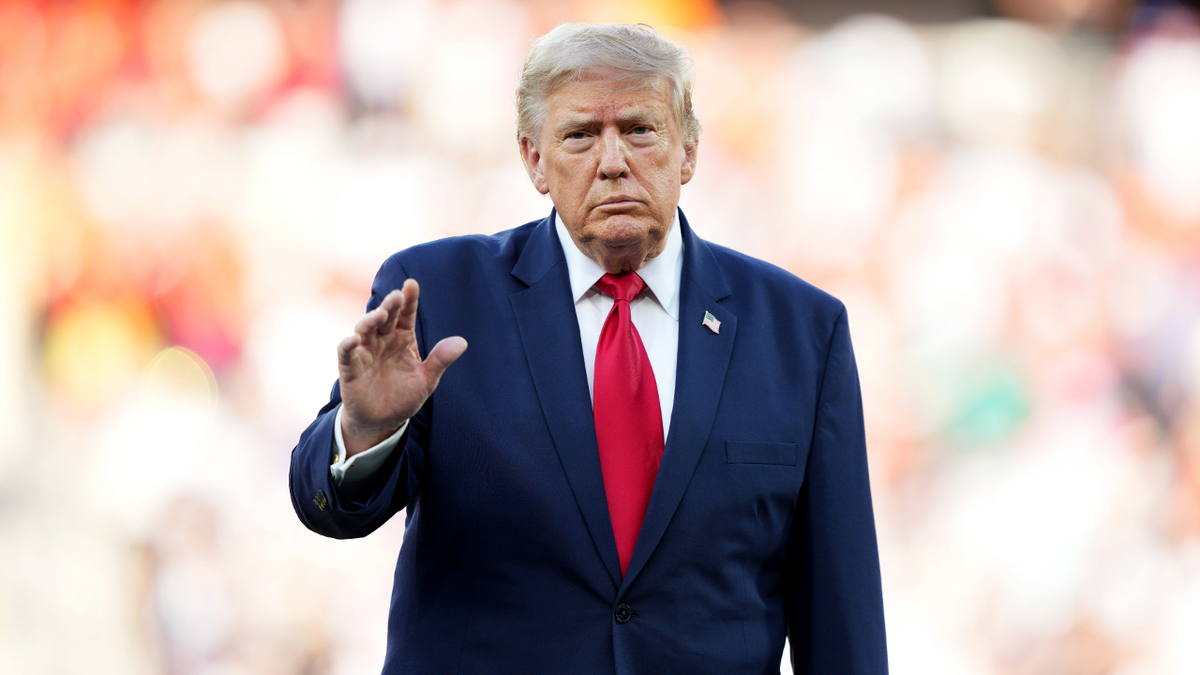
President Donald Trump signed an executive order on July 20 aimed at ensuring U.S. defense contractors cease purchasing critical minerals from China. This initiative is part of broader efforts to bolster the security of vital supply chains. The Pentagon has emphasized increasing production within the nation’s defense-related industrial base. This focus is crucial to prevent Chinese dominance over materials essential to war-fighting capabilities.
The administration’s strategy for U.S. economic growth emphasizes manufacturing domestically, rather than relying on imports from inconsistent and unregulated suppliers. Such an approach benefits the U.S. workforce and strengthens national security.
Collaboration with Allied Nations
While the U.S. does not need to handle all production independently, it is advantageous to collaborate, particularly with G7 allies, provided the production occurs on U.S. soil. An example is the recent contract between U.S. company ReconCraft and Ukraine’s Uforce, to develop drone boats in Portland, Oregon. This agreement is a part of the Pentagon’s strategy to expand autonomous weapon capabilities. Earlier in July, U.S. drone boats effectively targeted an Iranian submarine facility at a naval base in the Strait of Hormuz.
The partnership includes U.S. and Ukraine sharing warfighting doctrine, refined by Ukrainian operators through years of conflict with Russian forces. These drones are particularly relevant in regions like the Middle East, where advanced drone technology is vital for ongoing conflicts with Iran.
Securing Semiconductor Supply Chains
Similar strategies are being applied to U.S. semiconductor supply chains, crucial for drone production. In December, Republican Sen. Marsha Blackburn of Tennessee spearheaded efforts to address semiconductor vulnerabilities by introducing the Chip EQUIP Act. The act aims to prevent companies receiving CHIPS Act funds from purchasing technology, including semiconductors, from entities under the control of China.
Sen. Blackburn emphasized the necessity of securing semiconductor supply chains by prohibiting American companies from acquiring manufacturing tools from nations like China, Russia, North Korea, and Iran. Her insight is informed by the presence of the Wacker Polysilicon Plant—producing essential semiconductor polysilicon—in her home state of Tennessee.
The Trump administration’s vigilant actions in securing critical supply chains deserve recognition. With ongoing leadership from the White House, Congress should continue advocating for bipartisan legislative support of these innovative procurement strategies and related trade policies, ensuring military and national security are prioritized.