
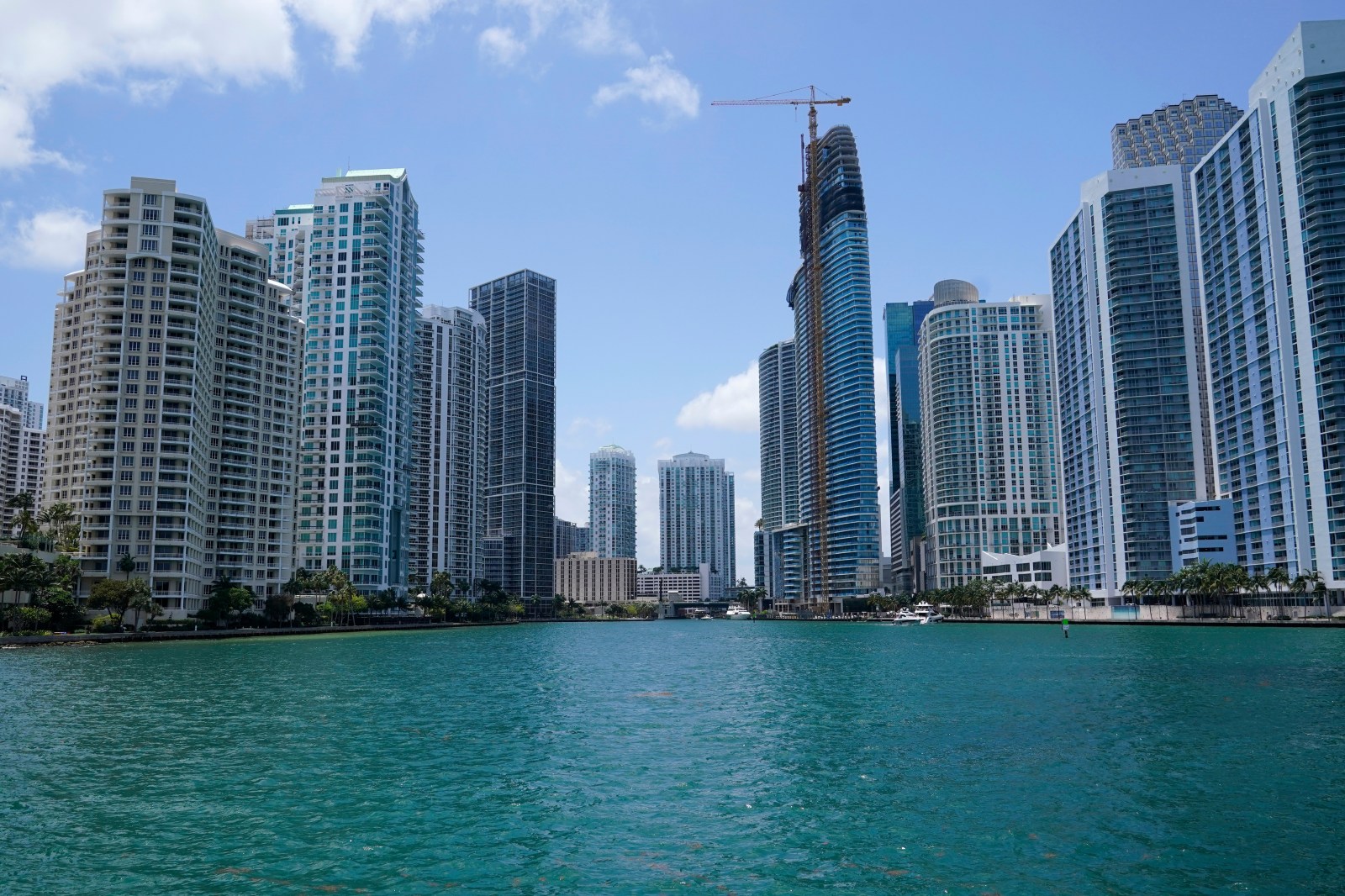
More than 2,500 condominium and cooperative buildings in Florida have been identified for Phase Two milestone inspections in 2024 and 2025 due to signs of structural deterioration. This information comes from a report by the Florida Legislature’s Office of Program Policy Analysis and Government Accountability (OPPAGA). Building officials flagged 54 of these structures as “unsafe or uninhabitable,” with five evacuations reported.
Florida law mandates milestone inspections for certain aging condominium and cooperative buildings measuring at least three stories. An initial visual assessment looks for structural issues. If found, a detailed Phase Two inspection is conducted where engineers evaluate structural conditions and suggest repairs. The Champlain Towers South collapse in Surfside, Florida, where 98 people died, prompted these more stringent inspection requirements.
The OPPAGA report, however, does not cover the entire state. Inspection data was received from 71% of local enforcement jurisdictions for 2024 and 64% for 2025. Building officials reported 8,777 buildings required Phase One inspections in 2024, with 6,952 completed. In total, 1,899 needed Phase Two inspections, 1,301 of which were finished. By 2025, 2,880 buildings required Phase One inspections, with 1,784 completed. For Phase Two, 636 buildings required inspection, and 274 were completed. Across both years, 8,736 Phase One inspections and 1,575 Phase Two inspections were finalized.
Many buildings needing additional review are in South Florida’s coastal counties, like Miami-Dade, Broward, and Palm Beach. These areas reported the highest number of Phase Two-required evaluations, reflecting a large stock of aging buildings. The need for more inspections also highlights the housing affordability crisis, with a shortage of around 90,000 affordable units in the region.
In 2024, 54 buildings were deemed “unsafe or uninhabitable,” with only five evacuations. By 2025, no evacuations occurred, although 23 such buildings were located in Miami-Dade. South Florida’s growth, including residents and businesses relocating there, exacerbates ongoing challenges. This area is one of the state’s largest condominium markets, where prominent figures like President Donald Trump spend considerable time.
The Surfside Collapse
On June 24, 2021, a portion of the 12-story Champlain Towers South condominium collapsed, killing 98 people. It was a significant structural building failure, leading to questions about aging condo buildings, especially on Florida’s coast. Investigations found long-term deterioration and structural issues. In response, Florida enacted extensive condo-safety reforms, demanding milestone inspections and stricter repair funding regulations.
The National Institute of Standards and Technology (NIST) suggested the collapse began possibly weeks before due to failures in critical connections beneath the pool deck. These issues caused deformation and fractures, leading to the building’s demise.
Reintroduced Condo Legislation
A bipartisan legislative proposal aims to assist condominium owners and associations in funding major structural repairs. The Making Condos Safer and Affordable Act, led by Representatives Debbie Wasserman Schultz and María Elvira Salazar, seeks to broaden financing for safety projects. The bill proposes widened access to HUD loan programs and expands the FHA’s 203(k) loan program, aiding condo owners in covering assessments for necessary repairs.
Further provisions include expanding federal loan insurance for private lenders and simplifying the borrowing process. The FHA could insure rehabilitation loans for condominium associations, covering a range of works, including repairs and improvements to shared infrastructure.
Five years post-Surfside, the OPPAGA report indicates ongoing structural concerns in Florida’s aging buildings, with several deemed uninhabitable. Continuous inspections aim to enhance safety measures and address these challenges.