
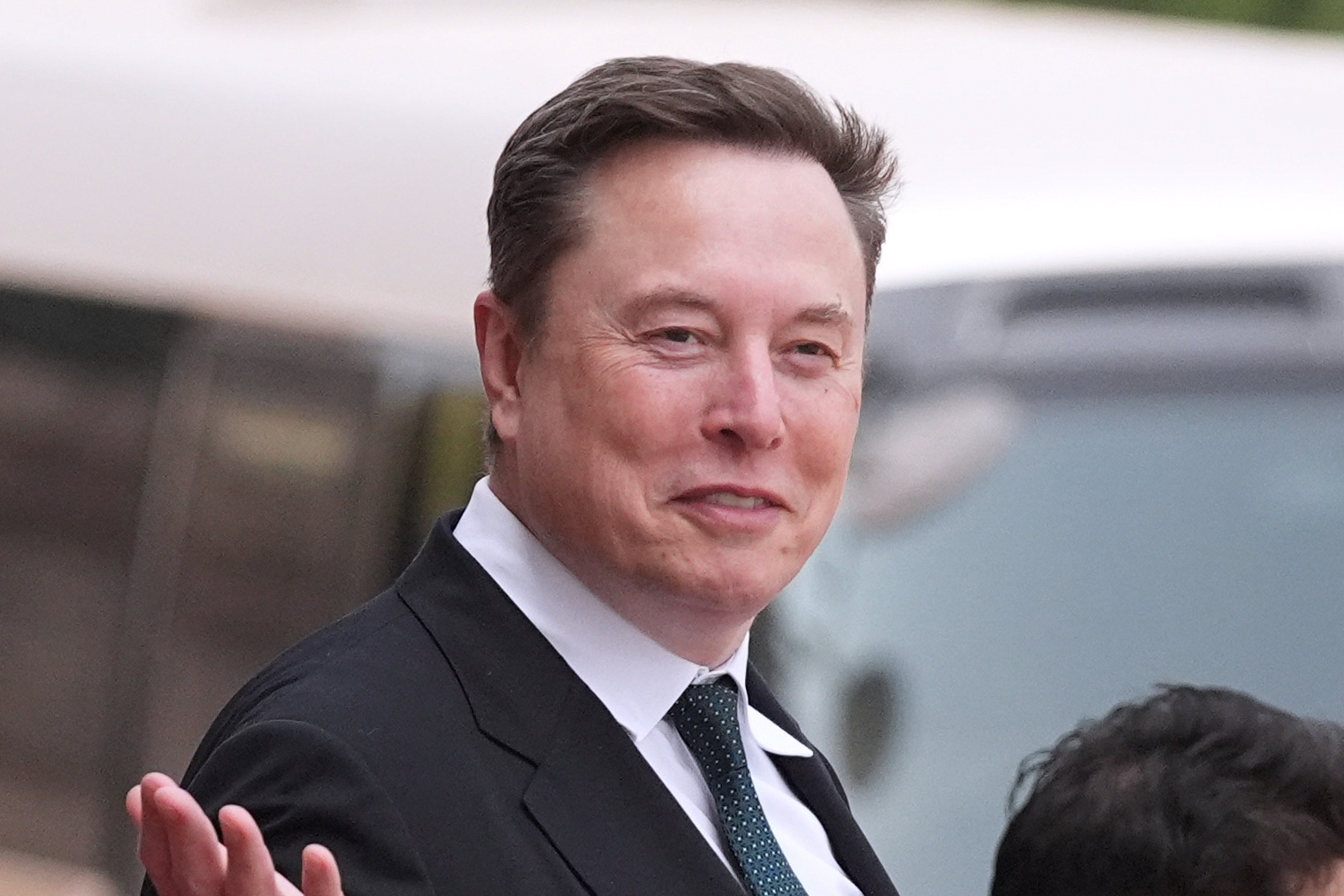
Elon Musk recently engaged in a conversation with “The Economist,” where he addressed key questions about political stances and societal principles. During this interview, Zanny Minton Beddoes confronted Musk with a statement about his political support, suggesting he backs not only populist parties but also fringe far-right groups in some countries.
Musk replied, ‘No, I support the normal people.’
To many on the political left, Musk’s positions are contentious. His interpretation of ‘normal’ has sparked debate and condemnation among leftist critics. Musk’s interview focused on fundamental questions he deemed crucial. He posed a challenge by listing principles such as secure borders, safe cities, and sensible spending, questioning their classification as far-right or fringe ideas.
Musk’s perspective resonates with those who grew up facing hardships. A personal history of poverty and disenfranchisement shaped a pragmatic outlook, emphasizing solutions that benefit the working class. The primary concern for those who share this view is the future safety and well-being of children and grandchildren. These goals transcend political affiliations, focusing instead on broadly applicable, logical solutions.
Political dynamics have shifted significantly over time. Today, divisive trends like police defunding and prison abolition challenge common sense solutions, fueling polarization. Musk’s involvement, similar to President Trump’s, generates intense reactions, especially from the left. Critics of Musk, however, should recall the historic role of the Democratic Party, which once championed the disenfranchised and opposed censorship.
While some leftist voices now advocate for censorship, there’s a need to examine historical narratives objectively. Calls for erasing names and reimagining lessons from the past threaten shared histories. Learning from history requires acknowledging both its positive and negative aspects without cancellation.
Polarization threatens discussion and civility. Embracing Musk’s approach to prioritize common sense and pragmatic solutions is vital for societal survival. The issues he raises reflect a broader need to foster peaceful coexistence and support those in need.
Douglas MacKinnon, former White House and Pentagon official, emphasizes the urgency of addressing these crucial matters. He advocates a focus on practical solutions amidst polarized times to ensure the long-term well-being of the nation and its people.