
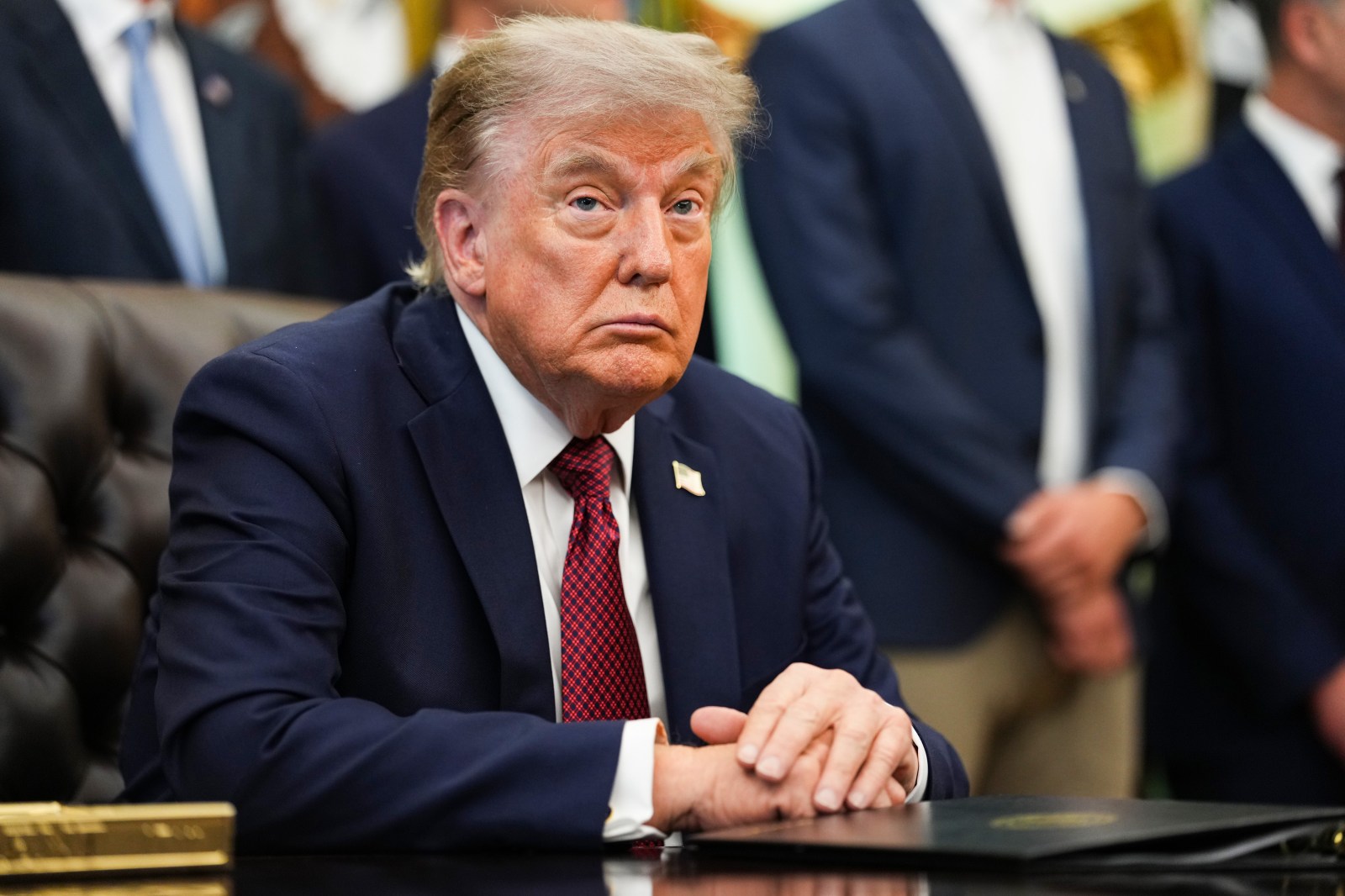
The Trump administration has faced its 19th courtroom defeat in its effort to access state voter registration records. A federal judge dismissed the Department of Justice’s (DOJ) lawsuit against Illinois for lacking legal authority to obtain these sensitive records.
Legal Outcome
U.S. District Judge Colleen Lawless ruled that the DOJ could not force Illinois officials to release the state’s unredacted voter registration database. This decision, reported by Democracy Docket, is a significant blow to the Trump administration’s election integrity initiatives before the 2026 midterm elections. The case is dismissed with prejudice, preventing refiled claims, but an appeal remains possible.
Origin of the Lawsuit
The DOJ sued Illinois when state election officials denied a request for their complete voter registration database. The administration believed these records were essential for verifying compliance with federal election laws, including maintaining accurate voter rolls.
The Court’s Decision
The judge noted that the DOJ lacked statutory authority to demand Illinois election records. The National Voter Registration Act (NVRA) mandates states to allow public inspection of voter list maintenance records but does not require them to release full databases or confidential voter information. Judge Lawless cited that privacy concerns barred disclosure of sensitive voter data.
The administration argued that the Help America Vote Act provided the federal government with authority over these records, but this was also rejected.
Rationale Behind the Administration’s Efforts
The Trump administration has filed multiple cases seeking unredacted voter rolls, arguing that these records verify compliance with federal laws. They assert that access to such data helps identify ineligible registrations and supports election law investigations. States have countered by highlighting privacy and cybersecurity risks associated with sharing sensitive voter information.
Continuous Legal Challenges
Illinois joins a list of failed DOJ lawsuits in locations like Pennsylvania, Maryland, Wisconsin, and other states. Courts, including the U.S. Court of Appeals for the Sixth Circuit, have uniformly rejected these cases, curbing the administration’s access to state voter registration data.
Implications for Upcoming Elections
As the Trump administration pushes for greater oversight before the 2026 midterms, these legal setbacks could hinder nationwide voter record comparisons with federal databases. Supporters advocate for strict oversight to ensure accuracy and compliance with federal election laws. Critics warn that these moves threaten voter privacy and could remove eligible voters unintentionally.
Although the Illinois ruling is a setback, an appellate court review may still be pursued as efforts to expand federal access to state voter records continue.