
The art of film captures kinetic objects with ease. A memorable example is the iconic red balloon drifting through Paris as seen in Albert Lamorisse’s 1956 short film. However, it is the dynamic human form in motion that consistently captivates audiences. The fascination dates back to the early films like the ‘Serpentine Danse’ from around 1895, where performers twirled in dresses of hand-tinted pastels. Movement reveals talent and can evoke emotional responses or narrate a story. While live dance is fleeting, film immortalizes movement, preserving moments in time. Art historian and curator RoseLee Goldberg states, “You can’t catch the wind,” yet film manages to do so by capturing these ephemeral steps.
Seeking a dance-inspired viewing list for summer, interviews with ten performance artists revealed films replaying in their minds, influencing their work significantly.
“Beau Travail,” Claire Denis, 1999
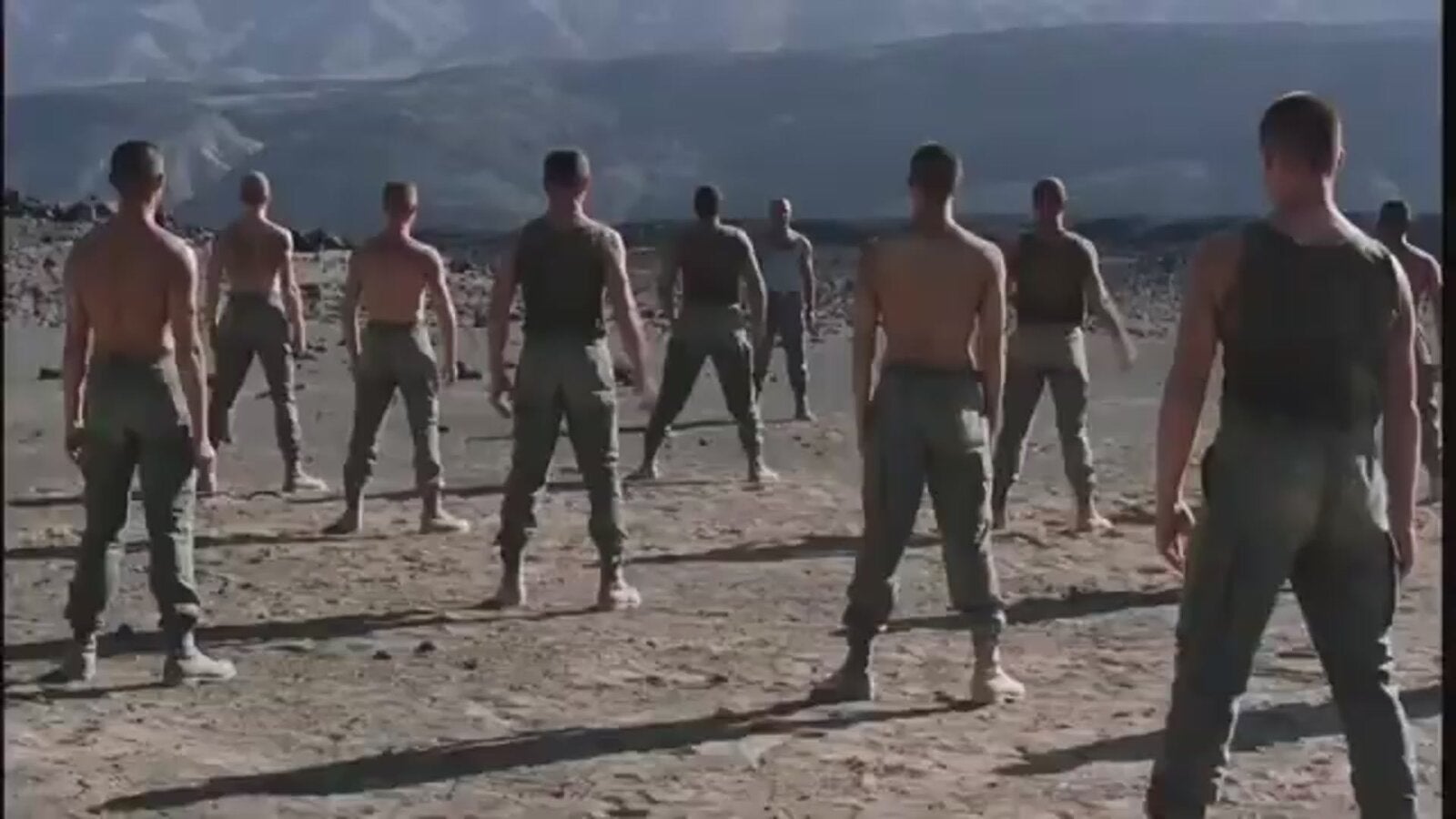
Celia Rowlson-Hall, a choreographer and director aged 42, reflects on ‘Beau Travail,’ which she watched about a decade ago. The film captivated her, leaving her wishing she had created it. The climactic scene featuring Denis Lavant as a sergeant in the French Foreign Legion offers an intense two-minute dance filled with deliberate movements. The film’s true brilliance lies in the buildup leading to this moment. Beginning in a nightclub with soldiers dancing alongside local women, the film transitions to the desert landscapes of Djibouti. The training exercises of the men, ranging from jumping over walls to crawling under wires, echo a ballet with each soldier interpreting the tasks uniquely. Denis makes a compelling narrative choice by cutting mid-turn at the end, leaving Lavant spinning in the viewer’s mind indefinitely.
“West Side Story,” Robert Wise and Jerome Robbins, 1961
RoseLee Goldberg, an art historian and curator, recalls her passion for dance during her childhood in Durban, South Africa. Upon the release of “West Side Story” in 1961, she was mesmerized, watching it several times and adorning her room with pictures of George Chakiris, who portrayed Bernardo, the leader of the Puerto Rican gang. The film, an adaptation of a successful Broadway show, addresses race and conflict in New York, capturing the spirit of a young generation striving for cultural recognition. This narrative resonated deeply with the South African context of Goldberg’s childhood. Jerome Robbins, the choreographer, became an inspiration, showcasing the future of dance. One memorable scene occurs in the gym, where the Jets crouch and the Sharks flaunt their skirts with flair. After viewing the film, audiences felt compelled to embody its energy, snapping their fingers down the street.
The dance-off scene in Robert Wise and Jerome Robbins’s 1961 film “West Side Story.”
In exploring these films, we gain insight into how movement on screen transcends and influences both personal and artistic worlds. These stories and visuals offer a diverse landscape of human expression preserved through cinema.