
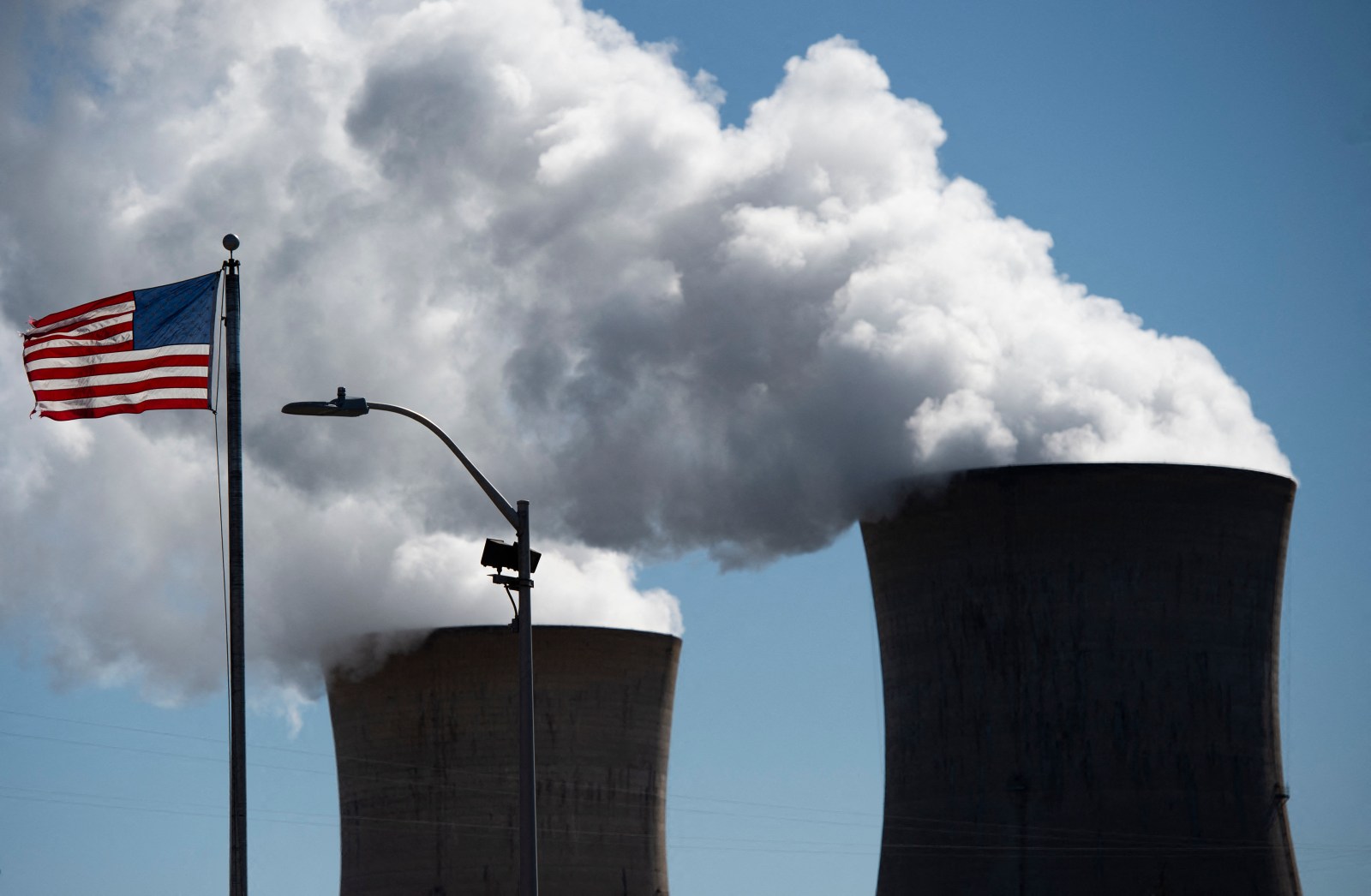
The Department of Energy (DOE) announced a proposal that could impact the nuclear energy sector in five states. This plan from the Trump administration aims to bolster nuclear energy, responding to increased energy needs driven by artificial intelligence (AI) data centers. Nuclear energy has garnered bipartisan support as energy demand rises.
President Donald Trump has consistently supported nuclear development, with this project representing a significant effort to rejuvenate the sector. However, concerns about radioactive waste storage have been raised as a key issue. Newsweek sought comments from the DOE and the governors of the five states involved.
Potential Hosts for Nuclear Lifecycle Innovation Campuses
The plan envisions establishing Nuclear Lifecycle Innovation Campuses in the selected states. These campuses will accommodate nearly 100,000 metric tons of nuclear waste, focusing on uranium enrichment, fuel fabrication, and reprocessing of used nuclear fuel. The Department of Energy estimates the potential to attract $50 billion in private investments, create 25,000 jobs, and generate $10 billion in state and local tax revenue.
Energy Secretary Chris Wright revealed that 26 states applied, but Utah, Tennessee, Oklahoma, Louisiana, and Idaho were chosen, all governed by Republicans. Wright emphasized the economic benefits and job creation potential of these campuses, attributing the concept to President Trump’s leadership.
Statements from state leaders highlighted the significance of the project. Utah Governor Spencer Cox stated the project would enhance national security and energy independence. Oklahoma Governor Kevin Stitt expressed enthusiasm for incorporating nuclear energy into the state’s energy strategy.
Challenges and Considerations
Mark James, director of the Institute for Energy and the Environment at the University of Vermont, pointed out ongoing challenges in finding permanent storage for nuclear waste. The need for congressional approval could pose hurdles, as Yucca Mountain in Nevada was previously designated as a storage site.
State partnerships play a crucial role in economic development related to storage, waste reprocessing, and new fuel rod generation. James highlighted the necessity to address waste management in alignment with federal support for reviving old reactors and endorsing new reactor models.
Current Nuclear Waste Management Practices
The DOE must handle over 90,000 metric tons of spent nuclear fuel from commercial plants. However, constructing a permanent geologic repository faces challenges due to legislative differences.
Each year, the U.S. produces 2,000 metric tons of spent fuel, initially stored in steel-lined concrete pools and later moved to dry storage casks. This waste is spread across more than 70 sites in 35 states.
While some countries, like France, recycle nuclear waste, the U.S. halted nuclear reprocessing due to nonproliferation concerns. The moratorium initiated by President Jimmy Carter remains in place.
Plans for Reprocessing and its Risks
The Trump administration’s plan includes reprocessing nuclear waste, addressing multiple obstacles in the nuclear power cycle. James noted the importance of ensuring security and environmental protections when reprocessing.
Prioritizing speed over safety, he warned, could compromise public health and safety. The risks associated with nuclear materials extend far beyond immediate concerns, emphasizing the need for caution.
Challenges in Nuclear Waste Management
Nuclear waste management remains a contentious issue among lawmakers. Yucca Mountain was proposed as a long-term solution but faces opposition due to various concerns, including environmental impacts and logistical challenges.
Nuclear waste is currently stored at multiple sites, posing risks if not correctly managed. Potential health and environmental hazards include radiation sickness and increased cancer risks as waste decays.
For queries, contact Newsweek editors Jason Lemon and Gray R. Thomas.