
As the nation marks its 250th anniversary, a notable tribute to presidential history can be found near the Kankakee River and its marshlands. This area, traversed daily by locals, holds significant historical value. John Hodson, president of the Kankakee Valley Historical Society, frequently underscores the historical richness found along Baums Bridge Road in Kouts, stretching from the mid-1700s to the 1930s.
The Collier Lodge, close to the bridge, stands as a testament to the past. Erected in the late 1800s, it served as one of many elite sportsmen lodges among the dense woodlands and swamps. Hodson took ownership of the lodge in 2000, aware of its physical decline. This locale was vital for accessing the river due to the scarcity of accessible routes.
Presidential visits enrich the area’s legacy. Theodore Roosevelt, the 26th president, indulged in hunting and fishing here, joined by figures such as General Lew Wallace and Grover Cleveland, the 22nd and 24th president. The major ecological shift came when government agencies drained the Grand Kankakee Marsh to create farmland, diminishing the landscape’s natural beauty, a decision later deemed a mistake.
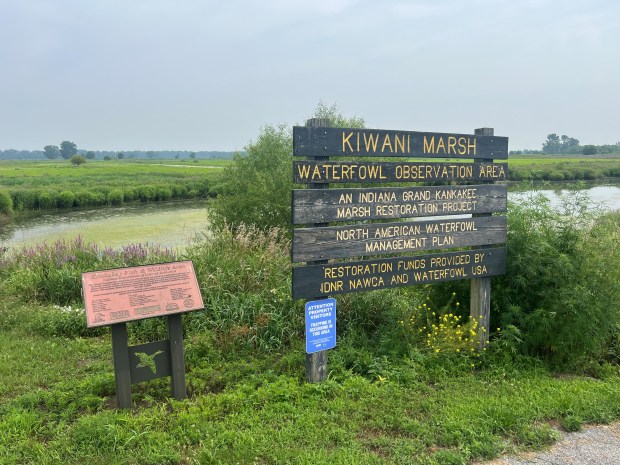
The Collier Lodge endures as the sole remnant of the ‘sportsmen era,’ specifically 1880 to 1910. Nearby, the Kiwani Marsh in Starke County signifies revitalization efforts by the Indiana Department of Natural Resources. As part of a restoration project beginning in 2010, the marsh, covering over 125 miles, serves as a waterfowl observation area.
According to the Indiana DNR, ‘kiwani’ in the Potawatomi language means ‘lost,’ symbolizing the marsh’s previous drained state for agriculture. The current management promotes wildlife conservation, employing Ducks Unlimited for site surveying and design.
Personal connections also thread through the narrative. The author’s nephew, Quentin, is named after President Roosevelt’s son, who died in action during WWI. Presidents Theodore Roosevelt and William Howard Taft, known for their enjoyment of food, impacted American culinary culture. Roosevelt, fond of his mother’s fried chicken recipe, argued that his leadership demanded robust meals.
Recipe for Teddy Roosevelt’s Favorite Fried Chicken:
- Brine: 4 boneless, skinless chicken thighs (or bone-in), 1 cup buttermilk, 1 egg, 1 1/2 teaspoons salt
- Coating: 1 1/2 cups all-purpose flour, 1/2 cup cornstarch, 1 teaspoon baking powder, 2 teaspoons paprika, 2 teaspoons garlic powder, 2 teaspoons onion powder, 2 teaspoons black pepper, 1 1/2 teaspoons salt
- Frying: 4 cups peanut oil
- Gravy: 2 tablespoons bacon fat (or butter), 2 tablespoons flour, 1 1/2 cups whole milk, 1 teaspoon white vinegar
Instructions:
- Brine the chicken by pounding thighs to a half-inch thickness. Mix buttermilk, egg, and salt, then chill with chicken for at least 4 hours. Reserve brine.
- Prepare the coating by blending flour, cornstarch, baking powder, and spices. Add some brine to the flour for flakiness.
- Dredge chicken in the flour mix, pressing it into the meat. Fry in peanut oil heated to 400 degrees until golden brown.
- For gravy, melt bacon fat or butter. Stir in flour for 1 minute, then gradually add milk. Simmer till thick, add vinegar, salt, and pepper. Serve gravy over chicken.
Columnist Philip Potempa has authored four cookbooks and hosts a radio show. Reach him at [email protected] or via mail: From the Farm, PO Box 68, San Pierre, Ind. 46374.