
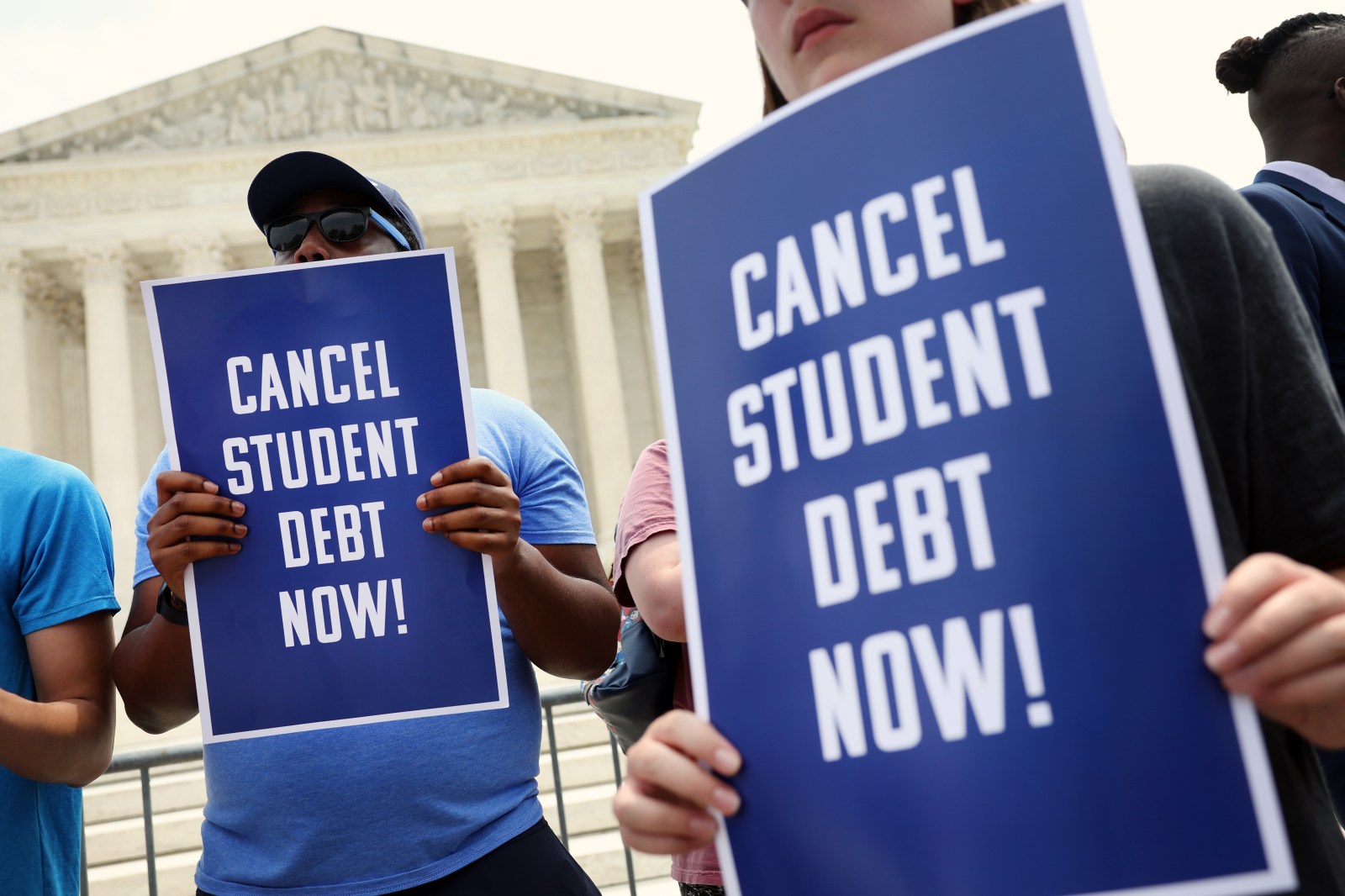
Millions in the U.S. could soon see reduced student loan payments if Congress passes the Student Loan Interest Elimination Act. Introduced by Democrats Senator Peter Welch and Representative Joe Courtney, the bill aims to eliminate interest on federal student loans entirely. It seeks to refinance existing loans at a 0 percent interest rate and redefine how future federal loans are funded.
Significance of the Proposal
Should it pass, this legislation would represent a significant reform of the student loan system. Unlike other measures that only reduce interest, this would eliminate it completely. Accumulated interest often makes student loans difficult for borrowers to repay, significantly increasing the total repayment amount over time.
Key Details
The bill would immediately set a 0 percent interest rate on existing federally held loans and establish new regulations for future loans. Representative Courtney highlighted the urgency, noting record-high student loan defaults in 2026 amidst an affordability crisis. Approximately 43 million Americans with federal student loans would benefit from this change.
Unlike loan forgiveness plans, borrowers must still repay their principal amounts. Removing interest ensures that payments directly reduce the principal, potentially shortening repayment periods and preventing balances from increasing, as noted by Alex Beene, a financial literacy instructor.
The proposal includes creating a Department of Education trust fund. Payments towards principal would flow into this fund and be invested in secure assets like Treasury and municipal bonds. Returns from these investments would cover the federal student loan program’s costs.
Potential Savings
Savings would depend on a borrower’s loan balance, interest rate, and repayment duration. According to EducationData.org, a borrower with an average federal loan amount of $39,547 could save about $14,074 in interest over ten years at a 6.39 percent rate. For those with larger balances, especially graduate students, savings could be much higher. The average borrower currently takes about 20 years to repay student loans.
Eligibility and Exclusions
The legislation applies exclusively to federal student loans, not private ones. Existing federal loan borrowers could refinance to 0 percent interest, and future borrowers would benefit similarly. It does not cover private loans, leaving those with private financing unqualified for relief.
Support and Opposition
Led by Welch and Courtney, the bill argues against excessive interest burdens on educational debt. As of now, the federal student loan balance is nearing $2 trillion, with average federal debt at about $40,000 per borrower. Yet, skeptics like Kevin Thompson, 9i Capital Group’s CEO, argue against the bill’s financial feasibility, considering it unrealistic to provide such benefits.
Previously Introduced Measures
This is not the first attempt at similar legislation. It was previously brought to Congress before being reintroduced. Additionally, other proposals have aimed to lower, but not eliminate, loan interest rates. For instance, Representative Mike Thompson proposed a 2 percent fixed rate for all direct loans.
Chances of Passage
Despite its introduction, the bill faces challenges in the Republican-controlled Congress. Potential changes to the federal loan financing scheme and concerns about federal costs reduce its likelihood of passing, according to Beene.
Future Implications
Currently, federal loan borrowers will see no changes. However, if enacted, the legislation may save borrowers considerable sums in interest costs. It could also shift more borrowers toward the private sector, as pointed out by Thompson.