
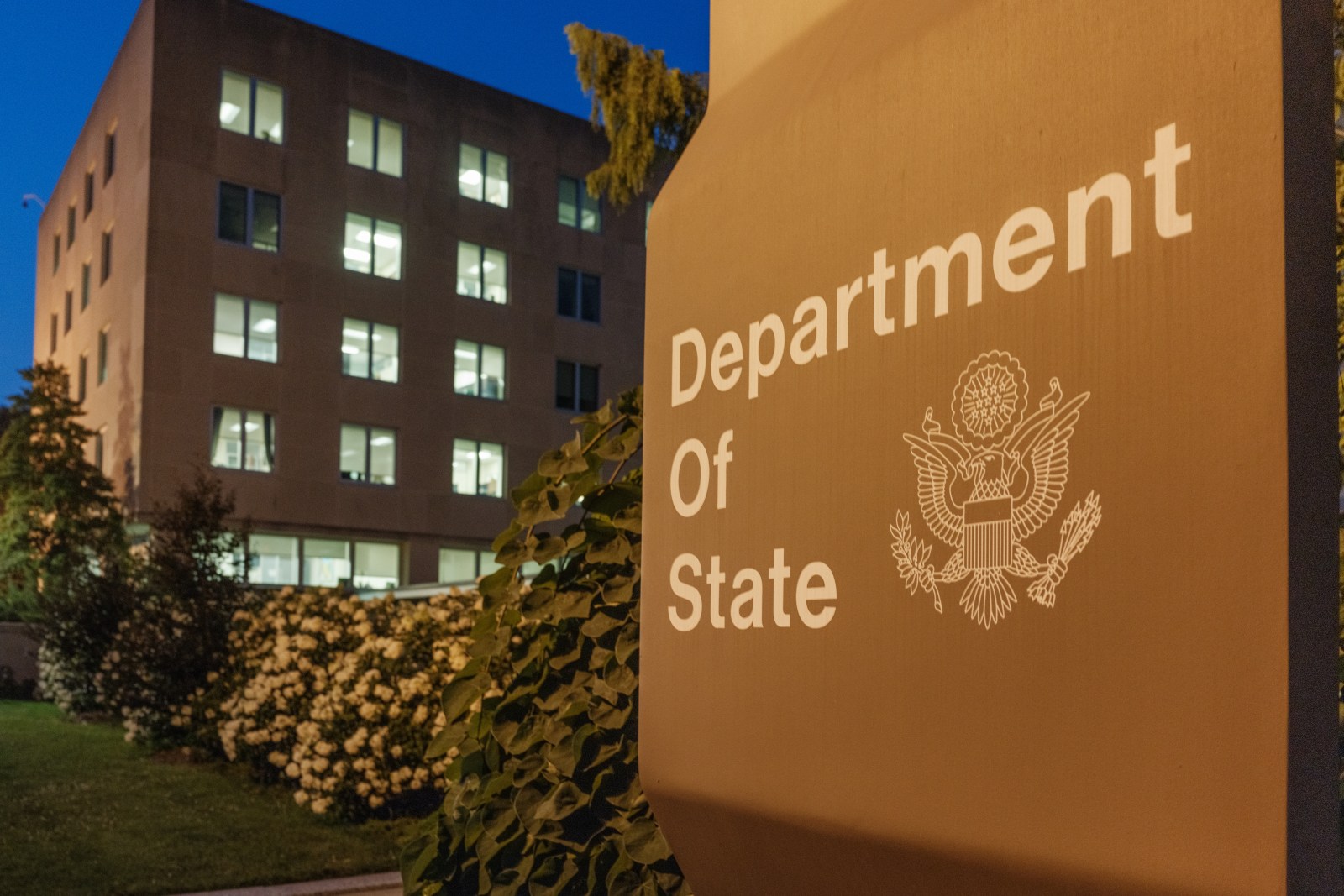
The U.S. State Department announced plans to further restrict visas associated with cybercrime and sextortion. This measure also targets relatives of those involved, preventing their entry into the country. The move aims to block individuals linked to harmful activities against American citizens.
This announcement primarily focused on investment scams the Trump administration linked to Chinese transnational criminal groups. The State Department described it as the latest step to prevent those seeking to harm Americans from entering the U.S. In the previous 18 months, the administration has altered immigration rules, restricting legal pathways and enhancing the vetting process for applicants.
This policy targets individuals responsible for or complicit in cybercrime and cyber-enabled crimes, including those engaged in cyberscams and sextortion.
The policy includes potential visa restrictions on immediate family members involved in illicit activities.
Expanded Visa Vetting
The new cybercrime visa policy broadens the use of visa restrictions as a deterrence measure beyond traditional immigration violations. The State Department has previously applied visa restrictions to individuals linked to political violence, instability, adversaries in the Western Hemisphere, and cartel networks. In such cases, family members have also faced restrictions, reflecting the approach in the current cybercrime policy.
The policy coincides with wider efforts to strengthen the visa system both during and after application submissions. The State Department has increased online presence checks for student and exchange visitor applicants, emphasizing that visa adjudications are national security decisions. Furthermore, the use of visa bonds has expanded for business and tourist applicants from countries linked to overstay risks.
Are Cybercriminals Securing Visas?
Public records suggest that cybercrime is often transnational, involving foreign suspects in U.S. courts. However, clear data on cybercriminals obtaining U.S. visas is not publicly available. Department of Justice (DOJ) records document foreign nationals extradited or arrested on cybercrime charges, but these records usually do not indicate visa status. Annually, the State Department reports thousands of individuals attempt to acquire U.S. visas illegally for committing crimes or escaping prosecution, yet without a cybercrime-specific breakdown.
Concerns About China
Heightened concerns in Washington about cyber threats from China coincide with these visa restrictions. U.S. intelligence and law enforcement agencies characterize China as a prominent and persistent foreign cyber threat. The Cybersecurity and Infrastructure Security Agency (CISA) reports Chinese-linked actors targeting government and infrastructure networks, extending activities beyond traditional espionage to potentially disruptive operations.
Officials highlight specific cyber campaigns, including “Salt Typhoon” and “Volt Typhoon.” According to CISA, FBI, and NSA assessments, these campaigns focus on gaining long-term access to critical infrastructure, posing threats during crises. This long-term strategy contrasts with short-term intrusions.
The FBI accuses “Salt Typhoon” actors of infiltrating telecommunications providers and conducting significant cyberespionage on communications infrastructure. In a recent notice, the bureau urged organizations to enhance defenses against such long-term infiltration attempts by Chinese-affiliated actors.
Contact Newsweek editors on this story: Gabe Whisnant and Sam Wilson.