
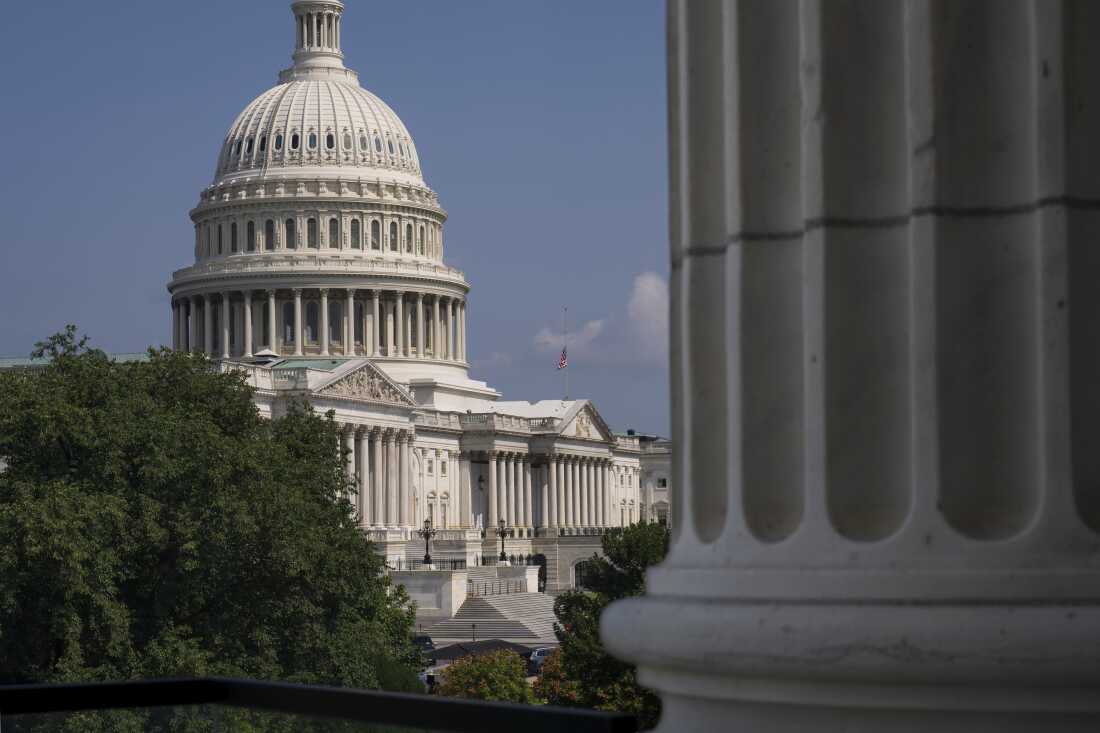
The House of Representatives voted on a resolution to end U.S. military involvement in hostilities with Iran. This decision highlights increasing discontent in Congress concerning the war and the oversight role of lawmakers. The resolution passed by a narrow margin of 214 to 208. Although not legally binding, it symbolizes significant opposition to President Trump’s actions regarding a conflict Congress never authorized.
Following the House’s decision, Senate Democrats attempted to advance their own war powers resolution. However, this measure did not pass, with a vote of 47 to 49. These votes occur amidst escalating tensions between the United States and Iran. According to the Pentagon, since February, 18 U.S. troops have died, including four recent deaths since July 17. Additionally, around 500 injuries have been reported, with 100 occurring in the past two weeks.
Rep. Pramila Jayapal, a Democrat from Washington, spearheaded the House effort. She stated that this vote communicates a clear message to President Trump that Congress opposes what she labels an “illegal war.” Jayapal criticized the conflict for lacking a defined mission, strategy, and objective. She emphasized Congress has not been properly involved or consulted.
Four Republicans supported the resolution alongside Democrats. These were Tom Barrett from Michigan, Brian Fitzpatrick from Pennsylvania, Ohio’s Warren Davidson, and Thomas Massie from Kentucky. In contrast, opposing Republicans defended the war, citing Iran’s historical aggression toward Americans and U.S. interests.
During the House floor debate, Representative Brian Mast from Florida displayed photos of U.S. service members killed in action. He argued that questioning the mission undermines the soldiers’ sacrifices. Mast described the operation as essential to address Iran’s attacks on America.
Last month, the Senate initially approved a similar war powers resolution. However, they reversed their stance on another resolution after President Trump criticized the initial vote. The president described these votes as “meaningless,” suggesting that Democrats are primarily motivated by opposition to him rather than substantive concerns.