
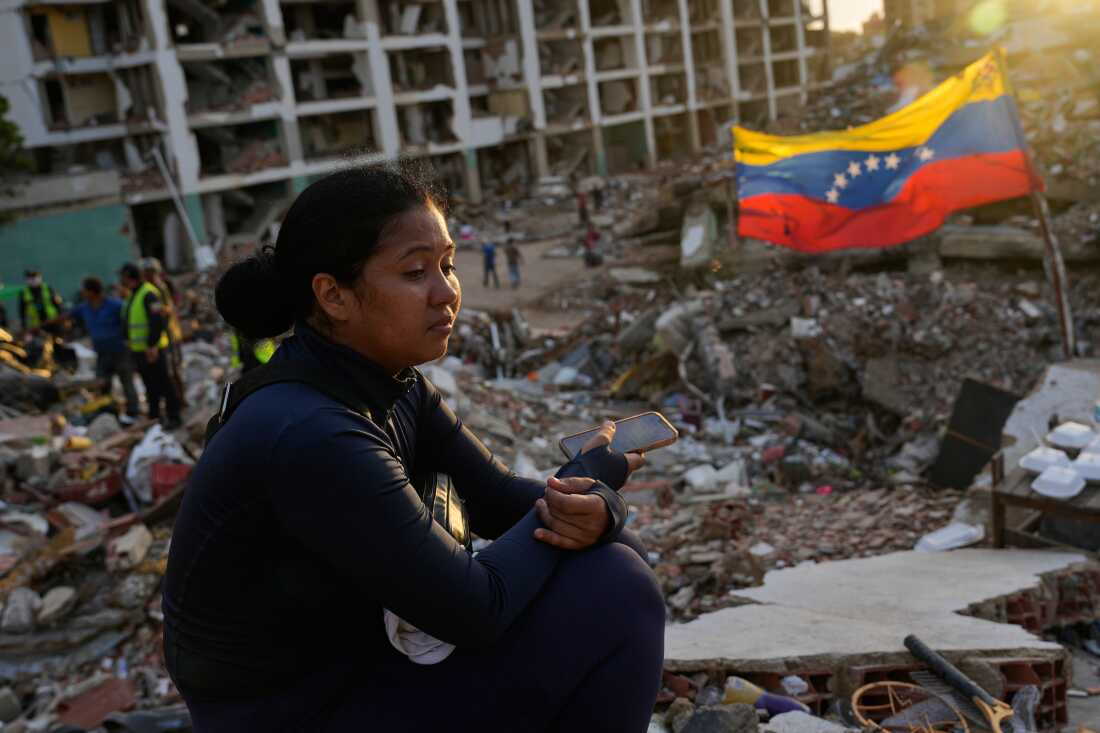
CARACAS, Venezuela – Following devastating earthquakes, Venezuela’s struggle for democracy faces new delays. Recent disasters killed over 4,800 people and injured more than 16,700, prioritizing recovery over political reform.
In Caracas, about 100 protesters recently demanded free elections and the release of over 300 political prisoners. Venezuelan authorities largely ignored them, focusing on recovery efforts.
Delcy Rodríguez, acting president after Nicolás Maduro’s detention by U.S. forces, collaborates with U.S. officials prioritizing Venezuela’s oil industry renaissance over democratic progress. Critics argue the state of emergency allows Rodríguez to sidestep election timelines. María Corina Machado, an opposition leader, faced government roadblocks upon trying to return to Venezuela.
Rodríguez accused critics of exploiting post-quake chaos in a recent speech. Opponents like activist José Rolón express frustration over continual delays. He asserts, “The regime consistently finds excuses to postpone democratic discussions.”
Yet experts caution against rushing democratic processes. Former diplomat Vladimir Villegas highlights the need to replace partisan electoral bodies before fair elections. These institutions previously upheld Maduro’s contested victory in 2024.
Although Rodríguez faces criticism for her earthquake response, her future leadership role remains uncertain following Maduro’s downfall and imprisonment on drug-trafficking charges.
Initial talks between opposition leaders and Rodríguez stalled after the earthquake. Machado persists in advocating for elections, arguing past electoral processes prove Venezuela’s organizational capabilities.
Political division plagues the opposition. Machado’s group boycotted past legislative elections, criticizing those forming the opposition bloc in the National Assembly. Reviving political parties presents another hurdle, with many previously outlawed or seized by the Maduro regime.
Political prisoners like Henry Alviarez face lingering legal challenges despite recent releases. Alviarez recounts regime persecution and gradual party reconstruction efforts. Vente Venezuela, Machado’s party, struggles to regroup after regime supporters looted their Caracas office.
Machado’s party focuses on earthquake relief, distributing crucial medical supplies while pledging to resume political campaigns. Volunteers like Rosa Cucunuba remain committed to helping disaster-stricken communities while eyeing future electoral reform. “Our relief work now doesn’t mean abandoning the political fight for freedom,” she reassures.