
Escalating Conflict in the Middle East
The U.S. military reinstated a blockade on Iranian ports early Wednesday. This action came in response to Iran’s attacks on ships attempting to navigate the Strait of Hormuz. The renewed blockade has intensified retaliatory strikes across the Middle East, as Iran and the U.S. strive to control a critical waterway through which a substantial portion of global oil and natural gas trade flows.
During recent clashes, Iran’s Health Ministry reported over 260 injured individuals, with fatalities exceeding 30. The escalation follows the lifting of an initial blockade in mid-June, subsequent to an interim deal intended to facilitate negotiations on Iran’s nuclear program. However, discussions have stalled amidst heightened tensions.
Iran’s Threats and U.S. Response
Iran’s Revolutionary Guard announced plans to disrupt all Middle Eastern energy exports if the blockade persists, asserting that oil and gas exportation should be inclusive or entirely ceased. President Donald Trump had initially planned to levy a 20% fee on passage through the strait but retracted the proposal after input from Gulf allies.
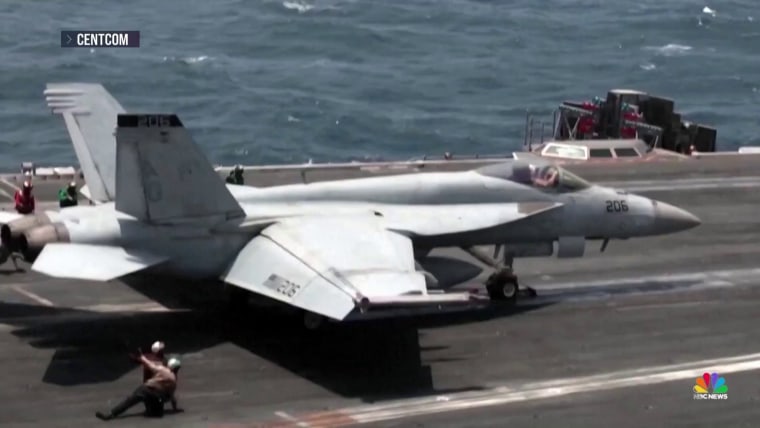
Central Command reported a new wave of U.S. strikes coinciding with the blockade’s enforcement, targeting numerous sites over seven hours. Gulf nations and Jordan have faced Iranian missile threats, with Jordan downing three missiles. Iran claimed responsibility for these attacks.
Military Actions and Strategic Objectives
U.S. forces attribute ongoing hostilities in the region to unwarranted Iranian aggression, threatening further punitive strikes. Upcoming U.S. targets might include bridges and power plants unless negotiations advance. The U.S. maintains a formidable naval presence in the Arabian Sea with 19 warships and ongoing aerial operations.
The conflict, ignited by U.S. and Israeli actions in late February, has disrupted passage through the strait, propelling resource prices. Recent Iranian attacks on U.S.-guarded routes have exacerbated violence. The U.S. threatens to forcefully reopen the strait, requiring extensive military resources.
Diplomatic Developments and Economic Impacts
Iran’s U.N. envoy accused the U.S. of aggression, reaffirming claims of America’s culpability. President Trump reported discussions with regional leaders proposing investment in the U.S., preferable to strait passage fees. Although investment commitments remain uncertain, the strategy deters toll implementation.
The interim agreement on toll-free strait access is nearing expiration, with Iran asserting management rights. Oil prices reflect geopolitical instability, though recent adjustments had momentarily stabilized costs. Regional mediators continue efforts to rekindle negotiations between the U.S. and Iran.