
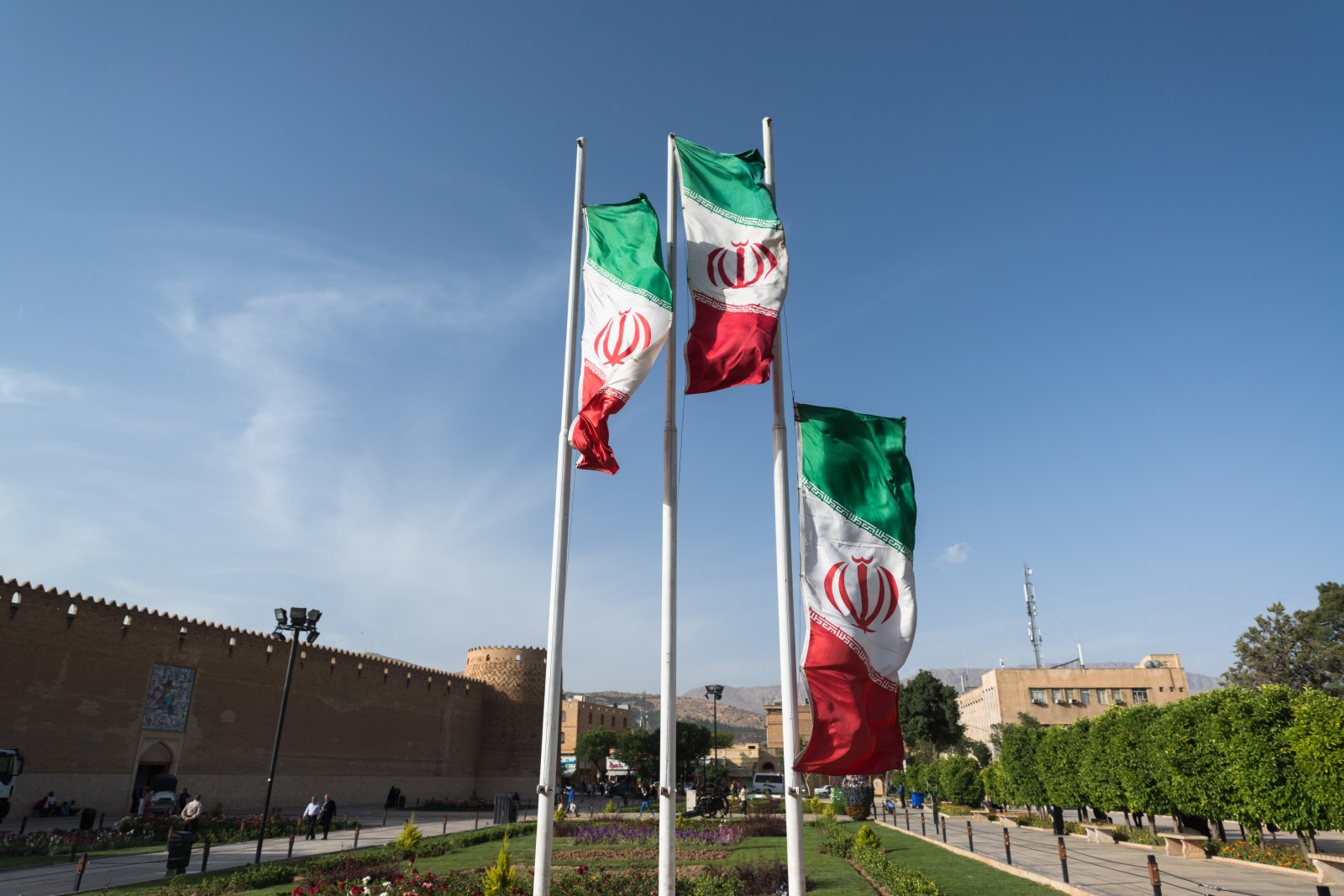
Retired U.S. Navy Admiral James Stavridis, who once served as NATO Supreme Allied Commander Europe, recently shared his views on the U.S. military’s actions against Iran. Following a series of strikes initiated by the U.S., Stavridis remarked that President Donald Trump has three main options at his disposal.
Options for the U.S. President
In statements shared on social media and discussed on CNN with Anderson Cooper, Stavridis outlined these options. The first involves stepping back and discontinuing further action, which Stavridis labeled a ‘really bad idea.’ The second option is to carry out extensive strikes against Iran. The third involves increasing the intensity of strikes to pressure Iran into changing its behavior.
“I don’t think any of those are good options, but the degree to which he can put real pressure on the Iranian economy is going to be the key here.” – Admiral James Stavridis
Military Strikes and Regional Implications
The backdrop of these comments is the U.S. military’s renewed strikes against Iran. This latest operation, announced by U.S. Central Command (CENTCOM), was in retaliation to Iran’s attacks on commercial shipping in the Strait of Hormuz. CENTCOM confirmed that over 80 sites were targeted, including air defense systems and vessels operated by the Islamic Revolutionary Guard Corps.
These developments signify a major escalation in hostilities between Washington and Tehran amid an already unstable regional landscape. CENTCOM condemned the Iranian forces’ aggressive actions, emphasizing how they pose a threat to navigation freedom and violate the ceasefire.
The situation in the Strait of Hormuz, an essential channel for global oil transportation, could heighten security concerns. As the Trump administration plans its next moves, the possibility of a broader conflict looms larger.