
Engaging More Fans: The Changing Landscape
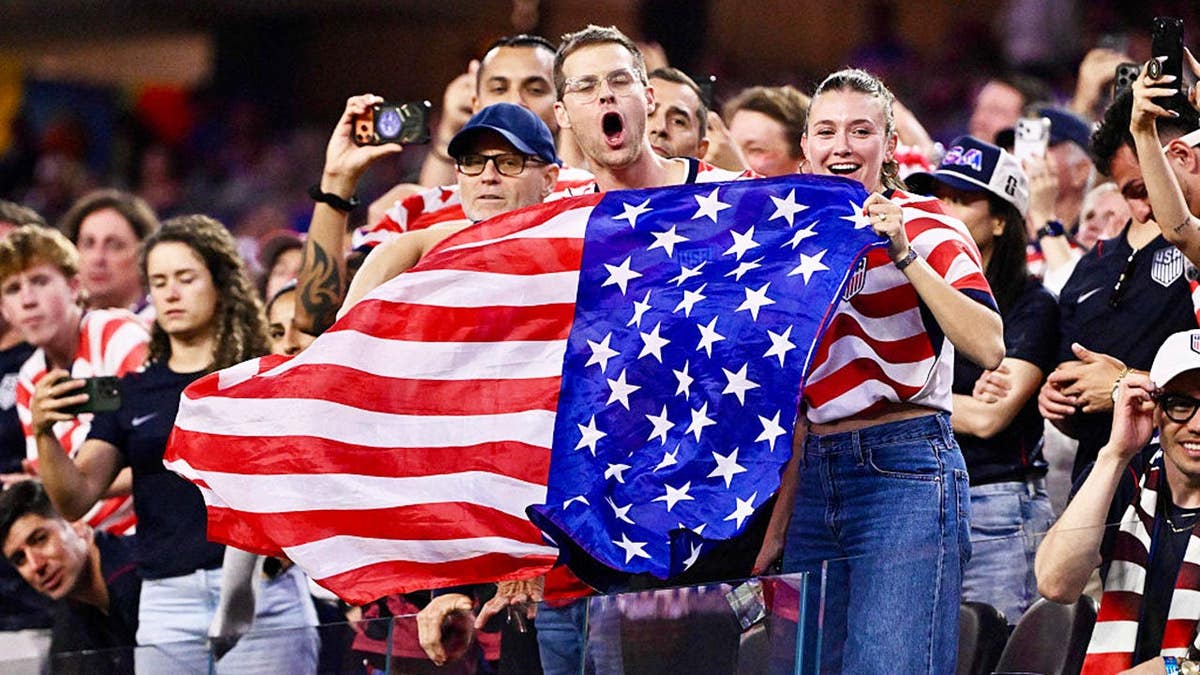
As the United States men’s national team prepares for its Round of 32 match against Bosnia and Herzegovina at the World Cup, Americans are experiencing a straightforward sports celebration. Flags are flying, bars are crowded, and casual fans are engaged. This is the moment American soccer has long awaited.
The United States shattered viewership records during its first match against Paraguay in Los Angeles. Fans cheered after scoring against Turkiye, showcasing American soccer’s appeal beyond traditional soccer enthusiasts. Many fans now treat the USMNT as a national event, shifting the narrative from a niche sport to a mainstream spectacle.
The rise in popularity mirrors the situation faced by the WNBA with Caitlin Clark’s arrival.
Clark transformed the WNBA’s visibility almost overnight. She brought her fans from Iowa and attracted widespread attention from men, women, families, and even sports bettors. Mainstream media debates and news coverage began focusing on the WNBA, welcoming viewers who had never considered watching WNBA games before.
Resistance from Within: The Gatekeepers
Despite the WNBA’s quest for greater attention and respect, some insiders expressed discomfort with Clark’s impact. Similar sentiments are now emerging within American soccer. Gatekeeping instincts surface when new fans, deemed ‘wrong’ by certain standards, flood the sport.
The USMNT’s advancement to the knockout stage marks a monumental occasion for soccer in the U.S. It’s an opportunity to convert casual fans into devoted supporters, reflecting the transformative effect of Team USA hockey’s Olympic success on American hockey. Yet, skepticism arises from those who once advocated for growth.
Questioning Growth: Who Gets to Support?
The Guardian critiqued Fox’s World Cup coverage, trivializing Alexi Lalas as an ‘all-American idiot’ and favoring Thierry Henry as a ‘French aristocrat’. The criticism highlights an exclusionary attitude, implying soccer belongs solely to a particular demographic.
USA Today and The Athletic echoed similar sentiments, questioning who the World Cup is truly for. These voices mirror the resistance seen in the WNBA during its recent surge in popularity. Longtime soccer fans preferred growth with specific conditions, wanting new supporters to fit pre-existing molds.
Embracing New Audiences: An Inclusive Approach
Both the WNBA and American soccer face tests of inclusion. As the USMNT attracts more casual viewers unfamiliar with soccer intricacies, it challenges traditional fans to welcome wider participation. It’s about the country playing and people hoping for victory, embodying patriotism and sports passion.
Gatekeepers resist this change, fearing loss of control. However, mainstream appeal means everyone gets a ‘seat at the table’. The NFL, college sports, and major leagues cannot choose their fans, nor should soccer and the WNBA.
Caitlin Clark’s impact should be celebrated as a triumph for the WNBA, breaking new ground for women’s basketball. Likewise, American soccer should view the USMNT’s World Cup moment positively.
Welcoming diverse enthusiasts, regardless of political leanings or affiliations, signifies reaching beyond established boundaries. It’s the inclusivity that many advocate for.