
The situation between Iran and the U.S. remains tense as efforts to hold talks continue. President Trump announced that officials from both nations would meet on Tuesday in Qatar at Tehran’s request. This meeting follows a volatile weekend with strikes exchanged between the two countries, challenging the current ceasefire.
Iran’s President disclosed that the country was set to receive $6 billion in frozen assets currently held in Qatar. This unfreezing is part of the conditions set in the memorandum of understanding between Iran and the U.S.
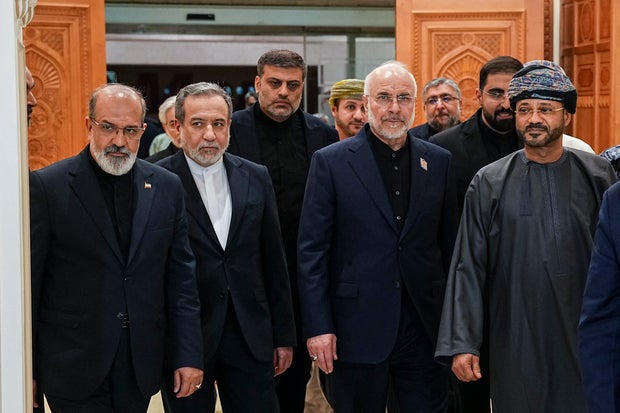
In efforts to address regional stability, Iranian and Omani officials discussed the management of the Strait of Hormuz. The discussion aims to clarify the control and operation of this crucial waterway, with both nations previously sending mixed messages about tolls and routes. This strait is vital for global oil and gas transport, contributing significantly to the economic interests of many countries.
‘Iranian Deputy Foreign Minister Kazem Gharibabadi noted a meeting in Muscat, focusing on current and future issues regarding the strait.’
Oman issued conflicting statements about passage fees and maritime routes, introducing a temporary corridor in coordination with the UN. U.S. authorities maintain that the strait should remain toll-free until a more permanent agreement is established.
Meanwhile, talks between U.S. officials and Iran will persist, ensuring freedom of navigation through the Strait of Hormuz. Although Iranian-American technical teams were expected to meet, the Iranian deputy foreign minister clarified that no such meetings are planned for now.
On another front, an attempt by Iran to target U.S. assets in Bahrain and Kuwait was thwarted, with no impacts or casualties reported. This development coincides with renewed hostilities between Israel and Lebanon, despite a recent agreement meant to ease tensions.
Israeli military actions targeted Hezbollah members in southern Lebanon, reflecting ongoing conflicts in the region.