
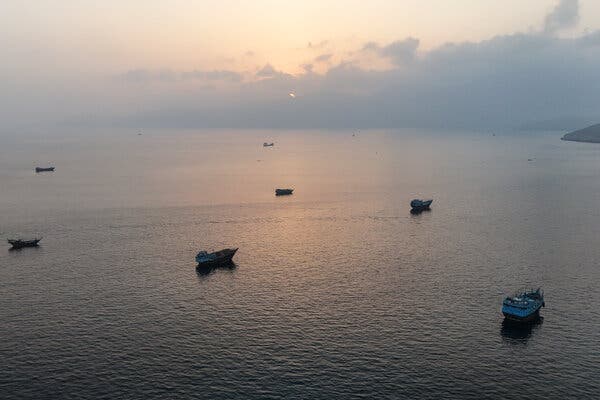
Iran views its control over the Strait of Hormuz as a crucial bargaining chip in negotiations with the United States. It is prepared to risk the cease-fire to maintain that leverage.
The recent cycle of attacks initiated by Iran has threatened to disrupt the newly agreed cease-fire in the conflict between the two nations. Analysts suggest this was a strategic move for Iran.
Iran’s ability to affect the flow of maritime traffic through a vital global economic corridor is significant leverage. It is a power Iran aims to retain during negotiations or potential conflict with the U.S.
Recently, Oman and the U.N. International Maritime Organization established a new route through the Strait that passes only through Omani territorial waters. This development could challenge Iran’s strategy, which depends on controlling the strait.
“Best-case or worst-case scenario, they need this leverage,” said Ali Vaez, a senior Iran analyst at the International Crisis Group.
The timing of future meetings between Iran and the United States is uncertain. However, control over the strait is seen by Iranian officials as a key tool for obtaining U.S. concessions in talks.
As part of potential nuclear deal negotiations, Iran seeks alleviation from longstanding economic sanctions. Such an agreement would likely require Iran to hand over or dilute its reserve of highly enriched uranium, which holds the potential to create nuclear weapons.