
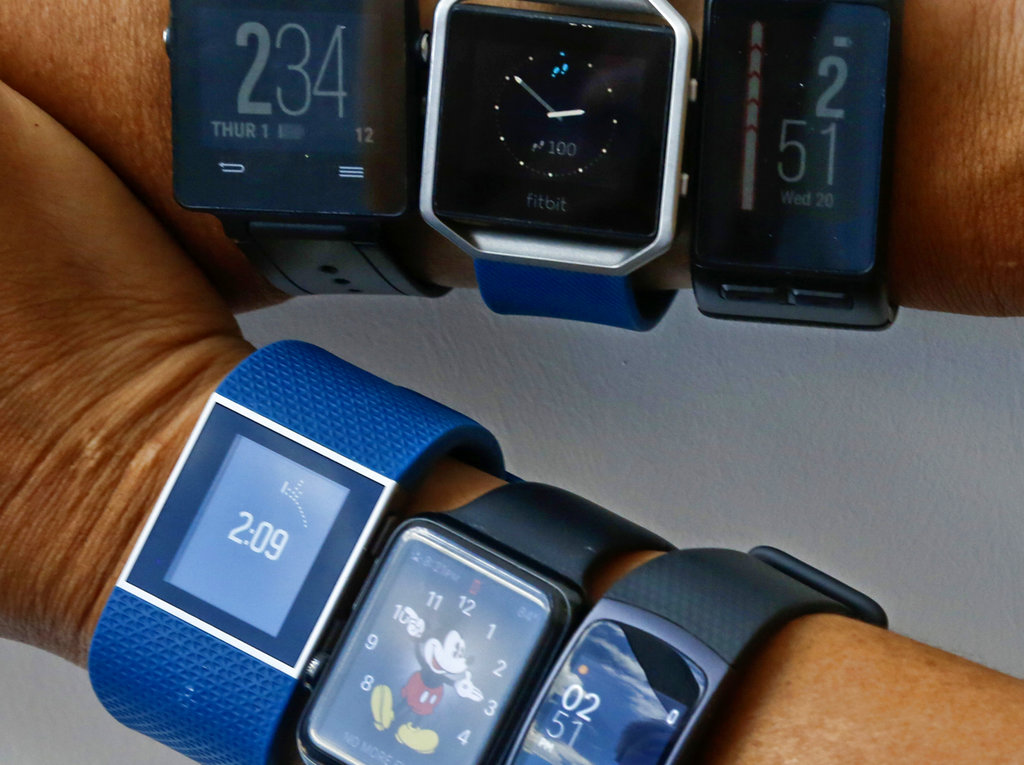
The Pentagon has issued an order restricting the use of fitness trackers and cellphone applications by military troops in sensitive bases and warzone areas. These devices can expose users’ locations, posing a significant risk.
A chilling example of this vulnerability involves an American soldier tracked through his smartphone data by an adversary, leading to a missile strike. This scenario highlights how commercial smartphone data can be used to target troops.
In April 2026, U.S. Central Command revealed that foreign missile and drone strikes used commercial smartphone data, damaging U.S. installations in the Gulf. This forced troops into insecure accommodations while still carrying GPS-enabled phones.
Senator Ron Wyden, alongside bipartisan support, has demanded the Defense Department take immediate action to address this threat.
This situation traces back over a decade, with warnings from intelligence contractors demonstrating how easily data can be bought to reconstruct service members’ routines and locations.
A 2018 incident with the Strava fitness app’s heatmap revealed military base layouts, worsening the risk. In 2024, journalists replicated troop tracking by purchasing commercial ad data in Germany.
The response to these threats remains inadequate, with military attempts to limit tracking simply advising soldiers on privacy settings. The deeper issue lies in apps creating unique device fingerprints, offering precise tracking irrespective of GPS permission toggles.
In contrast to China’s strict data protection measures, the U.S. allows service members’ location data to be sold openly, leaving the military vulnerable.
Solutions involve technologies that minimize broadcast signals and comprehensive oversight of data released by military units.
The National Defense Authorization Act currently presents Congress the opportunity to enforce stricter data protection standards, offering a clear remedy to this threat.
Action is needed swiftly to prevent future conflicts from exposing this vulnerability further.