
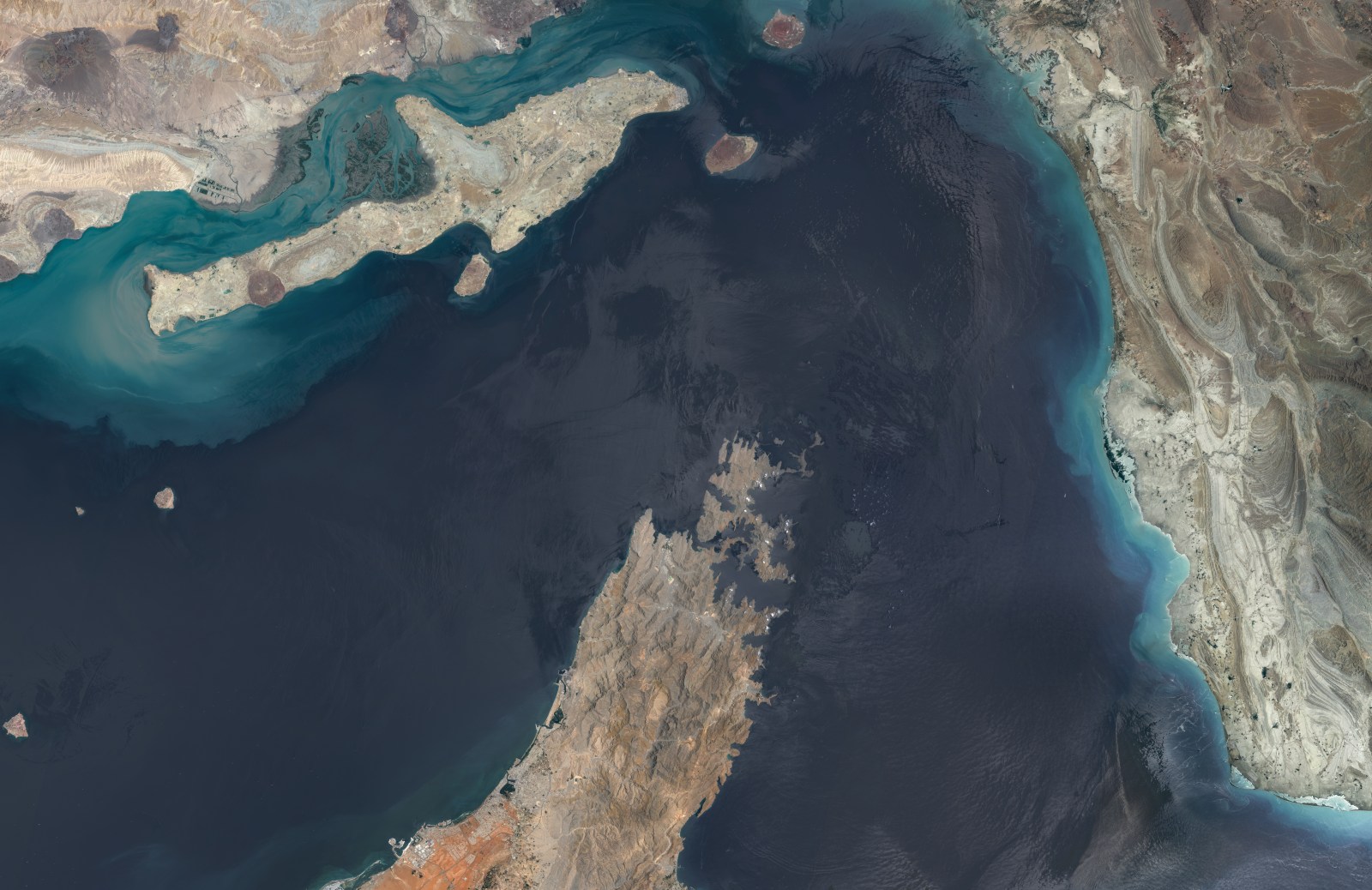
President Donald Trump confirmed the Strait of Hormuz is open, despite differing claims on access to this crucial route. The reopening of this waterway was a pivotal element in the agreement to conclude the Iran conflict. Trump’s announcement was made on Truth Social, following reports that multiple vessels had navigated the strait, which Tehran had previously closed. This action led to the U.S. blocking Iranian ports. Maritime activity has resumed, though it has not yet achieved pre-war levels as of Tuesday.
The recent framework deal, which concluded the Iran war, emphasized reopening the strait, through which 20% of global hydrocarbons pass. However, shipping companies proceed cautiously, amid unclear signals about the deal and the risk of underwater mines.
Trump announced on Tuesday that Iran consented to extensive nuclear inspections. This was a major impetus behind the war initiated on February 28 against Iran. “Given these and other major concessions by Iran, I have agreed to keep the Hormuz Strait OPEN, without further Naval Blockade,” Trump stated. Nonetheless, “all naval forces remain on alert, should reinstating the Blockade become necessary, although this seems unlikely,” he added.
Current Status of the Strait of Hormuz
On Sunday, the U.S. and Iran decided to implement communication strategies to prevent military conflicts in the strait as commercial vessels transit. However, Iranian media portrayed this move as affirming Iran’s control over the waterway. They insist vessels coordinate with Iran for safe passage. Iran’s closure of the strait on Saturday was attributed to alleged Israeli ceasefire violations in Lebanon, but maritime data showed 25 ships passed through between Sunday and Monday, with more on Tuesday.
Iran has suggested introducing charges on traffic passing through the strait, aiming to reinforce its control. However, this would violate principles of international maritime law. According to the current U.S.–Iran agreement, the passage is to remain toll-free for 60 days, but the U.S. has not stated what will happen afterward.
A hotline is established between Iran and the U.S. to “prevent and resolve misunderstandings” as ships traverse this chokepoint. Iran’s chief negotiator, Mohammad Bagher Ghalibaf, mentioned the development on Tuesday. Additionally, Iran and Oman have convened a committee to discuss the waterway, following discussions between their officials. Oman’s Foreign Minister, Sayyid Badr Albusaidi, expressed both countries’ dedication to upholding international law and ensuring toll-free passage.
For further details, contact Newsweek editors: Frances Mao and Sam Wilson.