
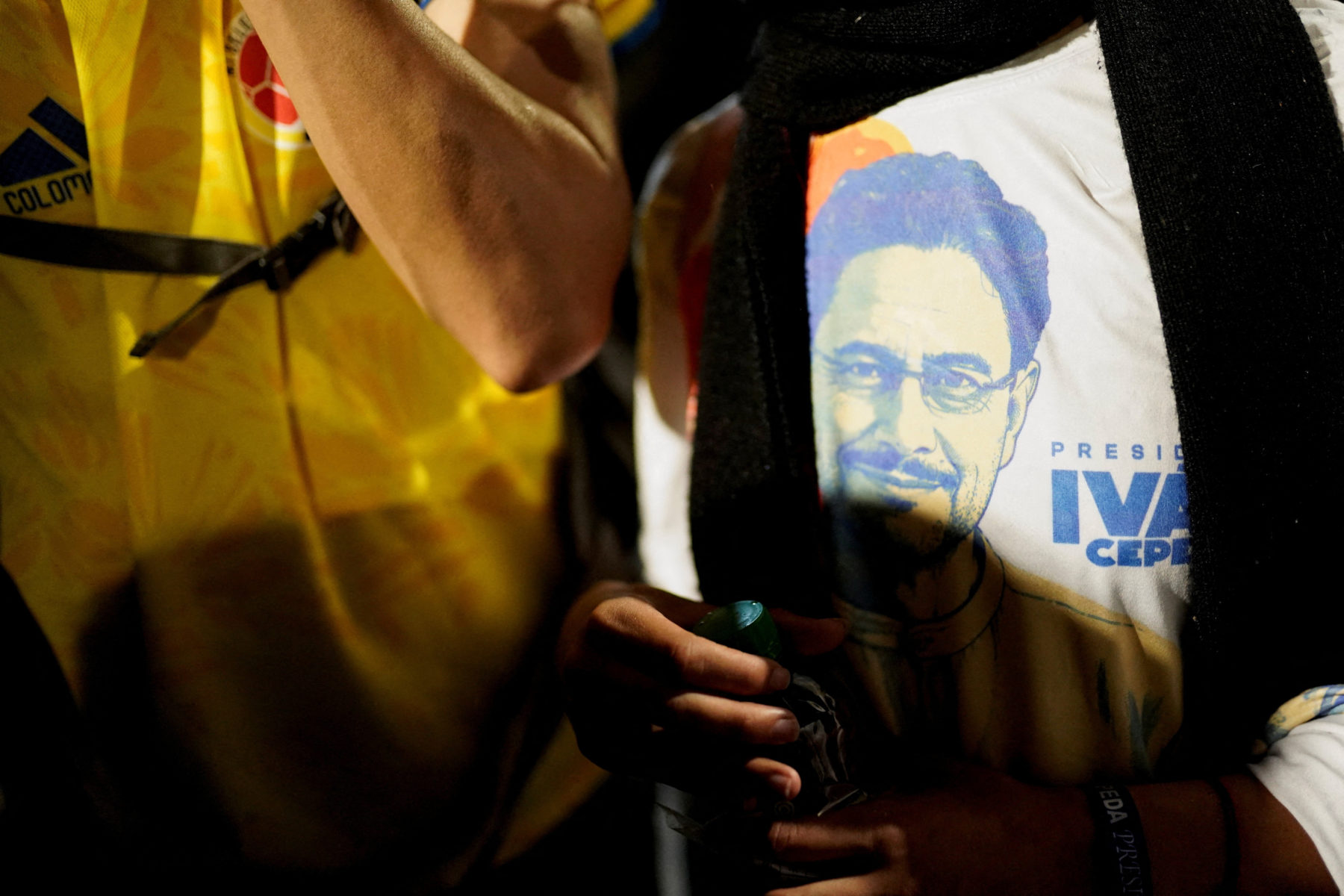
BOGOTA, Colombia (AP) — In a closely contested presidential runoff, conservative outsider Abelardo de la Espriella has taken a narrow lead in Colombia. Leading with 49.7% of the votes, de la Espriella surpassed progressive candidate Iván Cepeda, who garnered 48.7%, according to nearly complete electoral results. However, election officials have yet to declare an official winner.
De la Espriella, a lawyer and business owner endorsed by former U.S. President Donald Trump, plans to reverse outgoing President Gustavo Petro’s agenda. This includes halting peace negotiations with illegal armed groups. If elected, Cepeda intended to continue Petro’s policies, including social reforms.
The election outcome has elevated concerns of renewed internal conflict. During a speech in Barranquilla, de la Espriella, also known as “The Tiger,” vowed to govern for all, but urged his opposition to “prepare to exercise the opposition.” He warned Cepeda of his firm approach, demonstrating a shift from a conciliatory tone.
Cepeda has disputed the preliminary count, labeling it as ‘unofficial and non-binding.’ His team plans to challenge results from over 30,000 voting stations, though historically, recounts have not overturned presidential election results. Protests have erupted in Cali, where voting favored Cepeda, causing property damage and injuries.
Both candidates pitched distinct strategies to prevent recurring violence involving car bombs, kidnappings, and displacements. De la Espriella advocates a forceful stance on crime and drug trafficking, mirroring Salvadoran President Nayib Bukele’s policies which have reduced homicide rates, albeit amidst human rights controversy.
De la Espriella, a dual citizen of Colombia and the U.S., is affiliated with the Republican Party and supported by Trump. Trump celebrated his lead, remarking on de la Espriella’s “BIG” win on social media.
Voters like Yolanda Hernández have shifted their support away from Petro to de la Espriella, citing unmet promises and rising costs. Hernández highlighted the persistent violence and unchanging conditions as reasons for her vote.
Will Freeman from the Council on Foreign Relations notes the election reflects Colombia’s ongoing regional and ideological polarization rather than a decisive shift against Petro’s policies.
Colombia’s illegal armed groups, numbering over 27,000 members, continue to drive violence. Last year’s homicide count reached 14,780, the highest in recent years.