
Origins and Evolution
The World Cup’s inception emerged from a dream. Jules Rimet, a French machine-gun officer in World War I, envisioned an international soccer tournament fostering peace among nations. Fast forward, the event has grown into the world’s largest sporting celebration. Hosting 48 nations, it includes substantial revenue expected to reach $8.9 billion.
Current Challenges
Despite its grand scale, the event faces geopolitical hurdles. The U.S.’s conflict with Iran affects the tournament’s environment, creating a precedent-setting situation for Team Melli, Iran’s national team. They deal with travel restrictions and uncertainty, having to commute between Southern California and Tijuana.
After drawing 0-0 against Belgium, Iran stands a chance of emerging from its group and potentially winning Group G. Their performance is impressive amidst the constraints imposed. The situation raises concerns about the purportedly apolitical nature of the World Cup and draws parallels to the Olympics’ diplomatic challenges in Los Angeles.
Visa Issues
Past hosts like Russia and Qatar eased visa requirements for teams and fans. Contrarily, the U.S. State Department suspended visas for individuals from Iran, Haiti, Senegal, and Ivory Coast. Iraq’s Aymen Hussein endured prolonged questioning at Chicago’s O’Hare airport. Iran’s team members, apart from 15 officials denied entry, are allowed access only 24 hours before matches.
Such restrictions disadvantage Team Melli, yet they claim to have united the team. Alireza Jahanbakhsh describes their resilience, showcasing team spirit under difficult circumstances.
“That’s one of the things that I think we showed today — we showed a great team character. And part of it comes from the situation we are in,”
Coach Amir Ghalenoei highlighted the struggles, citing wartime conditions and league suspensions during Iran’s World Cup preparations.
Their entry into the Cup under challenging circumstances deserves commendation.
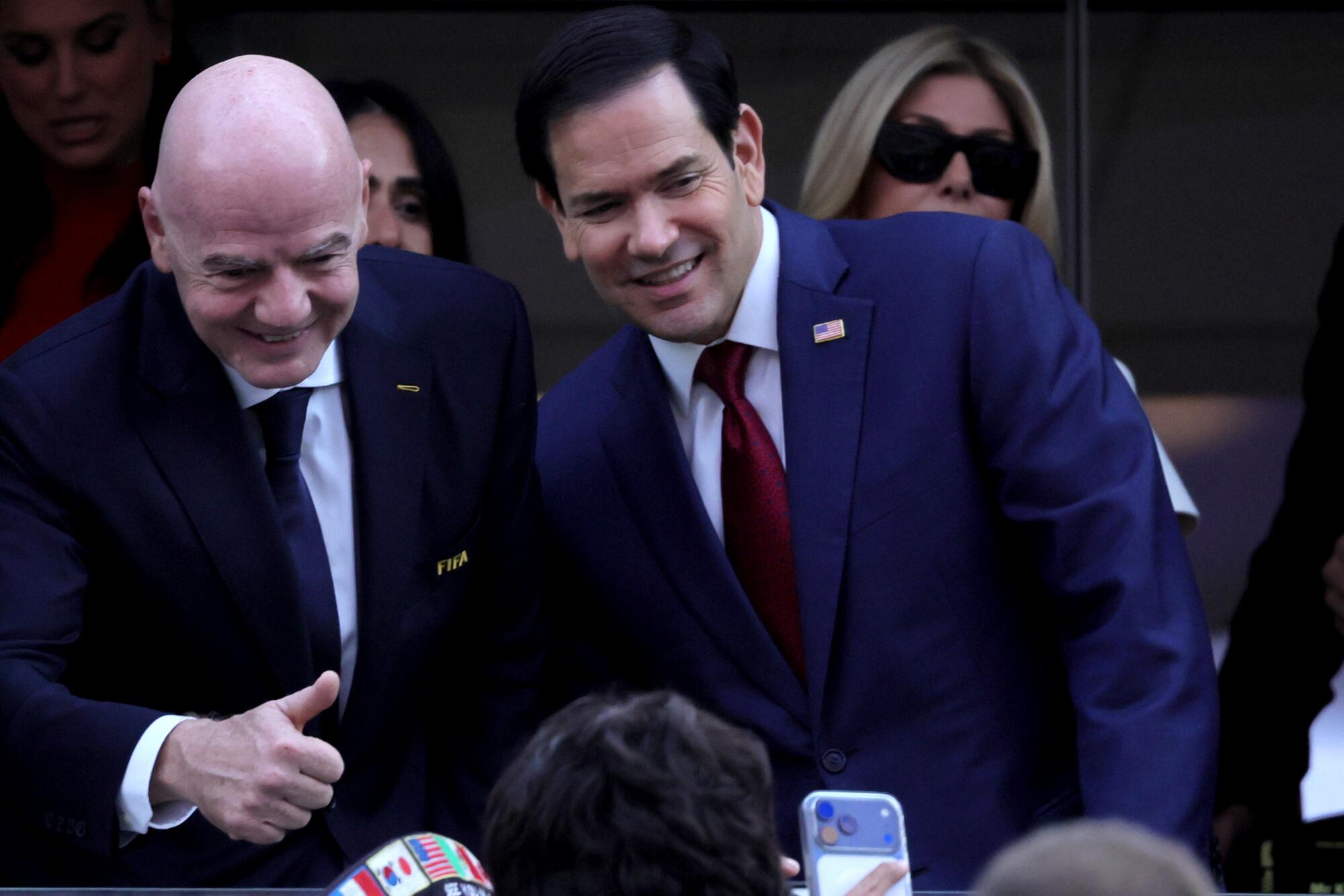
FIFA’s Role
FIFA’s stance remains passive. Despite their motto, “Football Unites the World,” actions preserving World Cup’s integrity are lacking. Previous fines for racist incidents and bans for rule violations contrast with current inaction.
Peace talks between the U.S and Iran progress, yet Iran’s footballing ambassadors face restrictions in preparation. Ghalenoei noted promised improvements for travel arrangements ahead of Iran’s final group-stage match against Egypt.
“Why didn’t they let us come earlier for the first two games as well?”
Such inquiries should be unnecessary during a global event celebrating sport.