
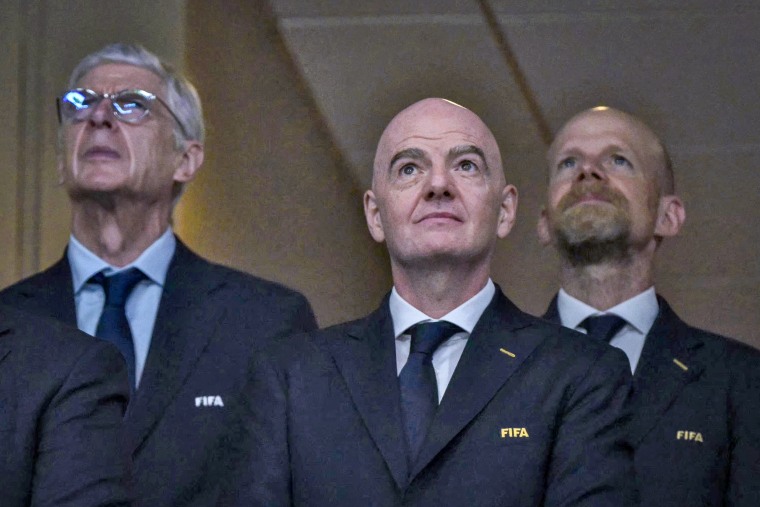
In Geneva, senior FIFA leaders Arsène Wenger and Mattias Grafström have distanced themselves from FIFA President Gianni Infantino’s failed initiative to privatize future World Cup profits. Wenger, in a statement, emphasized the necessity of abandoning the $20 billion plan, while Grafström expressed dismay in an email to FIFA staff, characterizing recent events as “sad and reproachable.” Both refrained from directly naming Infantino or supporting him amid the controversy.
FIFA’s Chief Operating Officer, Kevin Lamour, joined the criticism, accusing Infantino of deception with his private equity scheme. Lamour stated that such actions reflected disdain for FIFA staff, calling it a “project of one person.” The reactions of these executives highlight the growing discontent among FIFA’s 211 member federations, which could threaten Infantino’s previously solid presidency.
Legal troubles loom as well. UEFA, Europe’s soccer governing body, requested that evidence related to the matter be preserved, specifically mentioning Wenger, Grafström, and Lamour. Addressing FIFA staff, Grafström assured them of protection amid the ongoing political challenges, urging them to remain focused and proud of their work, particularly after the successful 48-team World Cup.
Wenger, appointed by Infantino in 2019 to lead FIFA’s football development, claimed unfamiliarity with the investment plan, learning about it only through media reports. Infatino’s proposal, withdrawn after strong opposition, intended to create a subsidiary—FIFA Forward Enterprise (FFE)—to handle lucrative activities. This structure aimed to raise $4.2 billion by selling 20% equity, with investment from Thrive Eternal, led by Joshua Kushner.
FIFA members were offered $20 million each, contingent on agreeing by a mid-September deadline, with promises to double funding through 2030. The financial success of the World Cup in North America had bolstered FIFA’s revenue to $15 billion for the current cycle, but global officials, including UEFA, threatened a boycott over the investment plan.
Despite abandoning FFE, Grafström highlighted FIFA’s achievements and encouraged staff to remain committed to their mission. Infantino’s association with former U.S. President Donald Trump added complexities during the World Cup, creating diplomatic challenges such as the exclusion of Iran’s team and entry issues for a Somali referee.
Infantino, having led FIFA more than a decade, has not publicly addressed the internal discord since announcing the plan’s withdrawal. His re-election seemed assured for the next year in Morocco, yet with UEFA seeking other candidates, the November deadline may bring new contenders.