
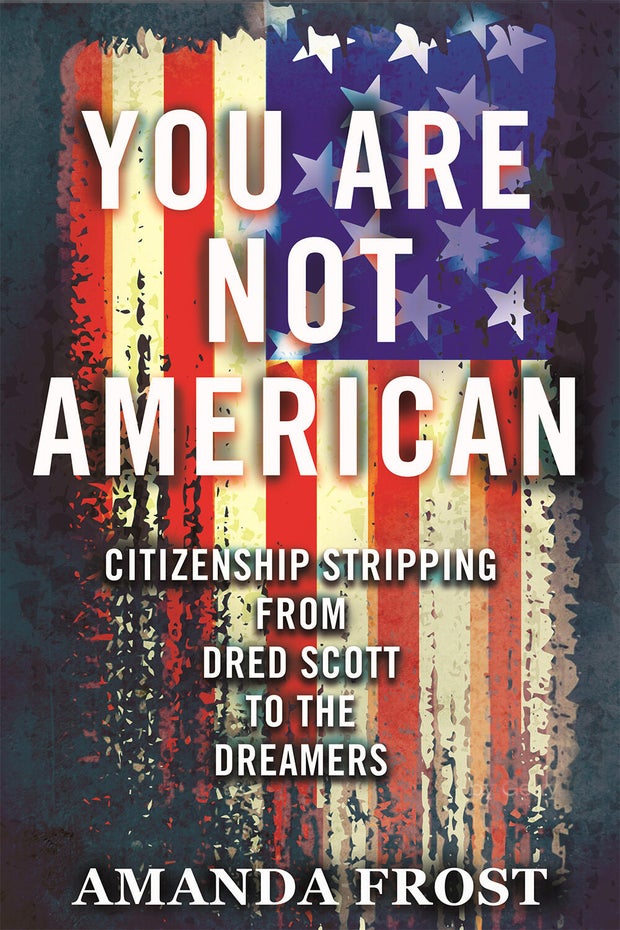
Birthright citizenship is outlined in the 14th Amendment of the U.S. Constitution: “All persons born or naturalized in the United States, and subject to the jurisdiction thereof, are citizens of the United States and of the State wherein they reside.” According to University of Virginia law professor Amanda Frost, this means everyone born in the United States becomes an American citizen at birth, aside from narrow exceptions like children of diplomats and occupying armies. She emphasizes the clarity of this Constitutional clause.
A Pew Research Center poll highlights an even split in public opinion, with 50% supporting birthright citizenship for children of undocumented immigrants, while 49% oppose it.
In January 2025, President Trump issued an executive order arguing that the 14th Amendment does not extend citizenship universally to everyone born in the U.S. This order, which would affect around 250,000 children annually, aimed to restrict citizenship for those born to undocumented or temporary residents. A lower court blocked it, and the Supreme Court is now considering the matter.
The Supreme Court’s earlier involvement in citizenship issues dates back nearly 170 years, notably with the Dred Scott v. Sandford decision in 1857. This ruling declared that Black individuals, enslaved or free, could never be U.S. citizens. In response, the 14th Amendment was passed in 1868 to ensure citizenship for formerly enslaved individuals and acknowledge children of immigrants.
Wong Kim Ark’s case in the 1890s further addressed birthright citizenship. Born in San Francisco to Chinese parents, Wong was denied reentry to the U.S. after a trip to China. He successfully asserted his rights as an American citizen, leading to a Supreme Court decision in his favor, amidst anti-Chinese sentiments.
Political scientist Rogers Smith highlights unresolved issues, particularly regarding children of unauthorized immigrants. While his research has been cited by those wishing to restrict birthright citizenship, Smith opposes these efforts, emphasizing Congress’s role in addressing such matters.
Globally, many countries with universal birthright citizenship are in the Americas. However, most of the world is moving away from it. In 2005, Ireland stopped guaranteeing birthright citizenship following a public vote.
Mariam Sobayo’s story exemplifies the personal impact. Born in Dublin to Nigerian immigrants just after Ireland changed its law, she became stateless until obtaining Irish citizenship at 18.
Professor Frost stresses the complexity of immigration issues. She views America’s historical acceptance of immigrants as a strength, noting their significant contribution to American society and economy. Despite disagreement with Trump’s executive order, Frost sees value in discussions about the goals of birthright citizenship. She believes it upholds American values of equality and democracy by rejecting inherited status.