
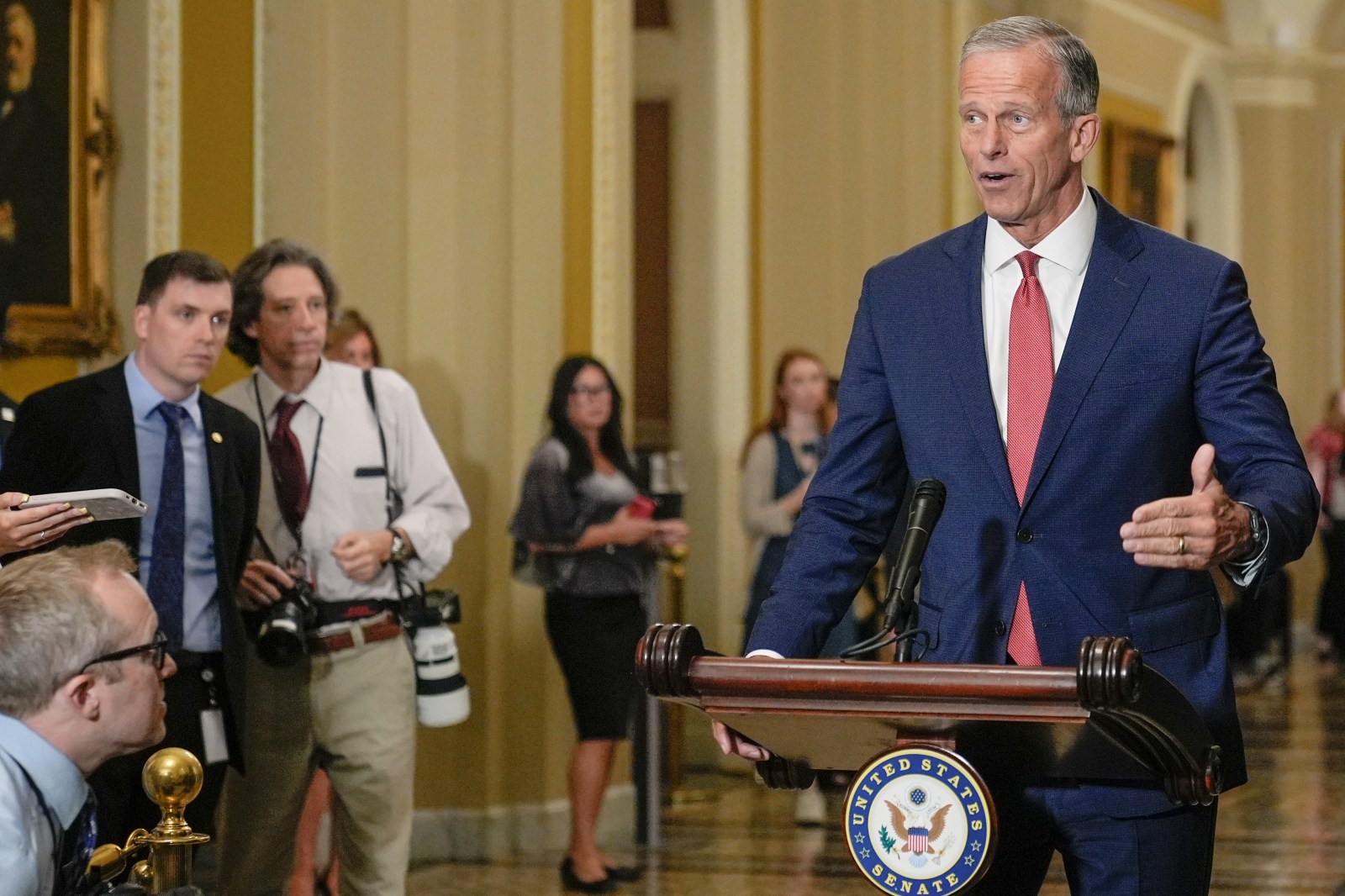
A bipartisan housing reform package is close to becoming law after a prolonged stalemate in Congress. Lawmakers have finalized a compromise aimed at reshaping the housing market for millions of Americans. The legislation, known as the 21st Century ROAD to Housing Act, is set for final votes in both chambers this week before it potentially reaches President Donald Trump’s desk.
This act aims to boost housing availability and curb competition from institutional investors in the single-family market. The Senate has already shown strong bipartisan backing, reflecting broad agreement on addressing housing affordability issues. Lawmakers describe the bill as a historic overhaul of federal housing policy.
Key Provisions: What’s In The Bill
Crackdown on Institutional Investors
One significant aspect of the bill is targeting large institutional investors who purchase single-family homes. This measure seeks to level the field for individual homebuyers. Lawmakers argue that corporate ownership has inflated home prices, making it tough for first-time buyers.
Expanding Housing Supply and Lowering Costs
The bill primarily focuses on increasing housing supply, identified as a main factor in rising home prices. It proposes cutting red tape, modernizing federal programs, and encouraging new developments. Updates include changes to the Community Development Block Grant (CDBG) program, a vital source of federal funds for local housing and infrastructure projects.
Federal Grants and New Housing Development Programs
The compromise maintains several pilot programs under the Department of Housing and Urban Development (HUD). These initiatives will fund whole-home repair efforts, assisting homeowners in updating older properties. Additionally, they will support converting commercial and office spaces into residential units, aiming to rejuvenate cities and increase housing supply.
Disaster Recovery Funding
A notable negotiation point was the Community Development Block Grant Disaster Recovery (CDBG-DR) program’s future. The final bill compromises by extending the program with a three-year sunset period, following initial attempts to eliminate it.
Additional Reforms and Programs
Other reforms covered in the bill include:
- Funded housing and homelessness initiatives
- Changes to federal housing oversight and financing
- Measures to improve affordability and maintain public housing
- Nine community banking measures
The 45 provisions in the final version reflect priorities from both parties, blending Democratic-backed investments with Republican-led regulatory and financial reforms.
What It Means for Homeowners
The potential impact on homeowners and prospective buyers could be considerable, albeit gradual. Possible benefits include increased housing options as new constructions emerge, and reduced competition from institutional investors. The act could also enhance financing access via community banks. However, uncertainties exist, such as the temporary nature of disaster recovery funding. Implementation success will rely on federal and local government efforts; housing supply improvements may evolve over years.
What Happens Next
With bipartisan support from top committee members and strong preliminary votes, the bill is likely to pass both chambers in the next few days. Once approved, it will head to Trump for signing, potentially marking a rare consensus in an otherwise divided Congress.