
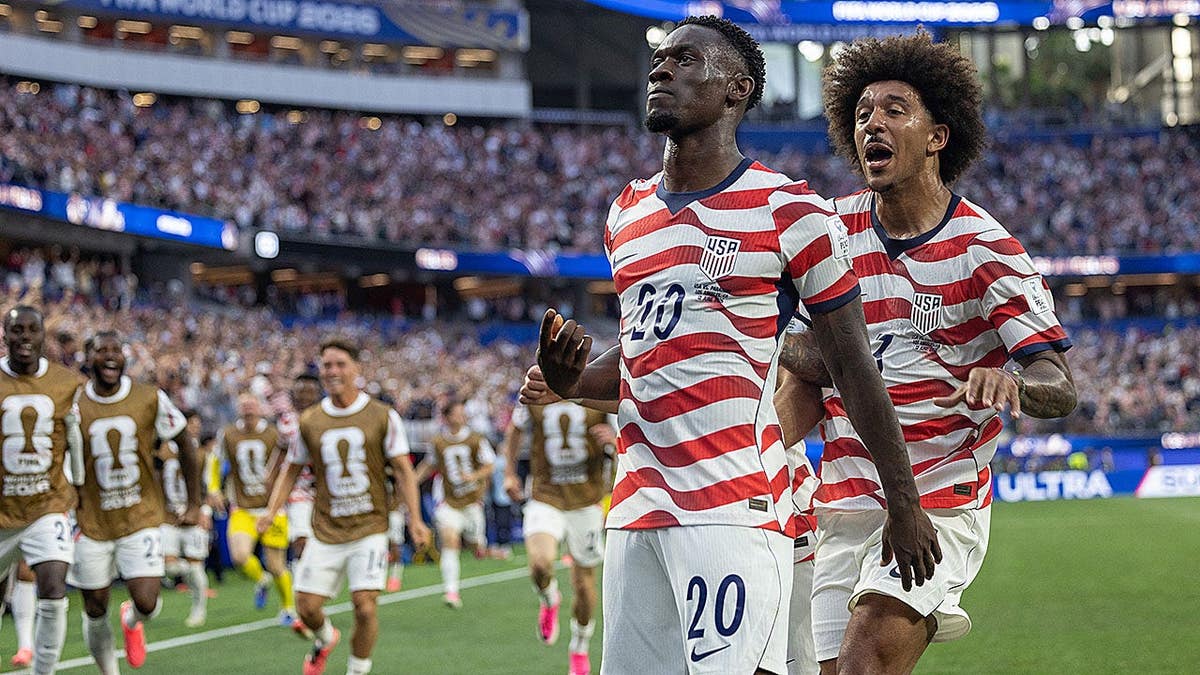
Former professional soccer player Jesse Bradley highlights the unifying power of the FIFA World Cup 2026. Bradley, who also serves as the Seattle Sounders chaplain, points to the spiritual impact of the event. During the last World Cup, 480,000 individuals reportedly began a relationship with God. Churches hold ‘Soccer and Hope’ watch parties, using the event to build community and share faith.
In the political realm, certain U.S. Congress members are drawing attention for their World Cup rooting interests. Currently, Rep. Adriano Espaillat, seeking re-election, and Darializa Chevalier, a congressional hopeful backed by New York Mayor Zohran Mamdani, are vying for the 13th Congressional seat in New York. Both candidates have openly supported teams other than the U.S. in the 2026 World Cup, despite the tournament being hosted on American soil.
During an interview with NYC’s PIX 11, Espaillat expressed support for Mexico with a smile, while Chevalier voiced her backing for Senegal. This stance feeds into a larger narrative, prompting criticism of their patriotism, as both candidates’ comments stirred reactions among constituents and media alike.
Social media has seen heated debate regarding these comments. Chevalier has previously shared contentious remarks about the U.S. and Israel on social media, which color public perception of her campaign.
Espaillat’s background as a Dominican-born illegal immigrant who has served in American politics since 1997 adds layers to his political and personal narrative. His comments have ignited discussions about national pride and the role of personal origin in political representation.
In the context of sports and politics, these instances raise questions about loyalty, representation, and the strategies candidates use to connect with voters. This dynamic showcases the complex interplay between personal beliefs and political maneuvering during major global events such as the World Cup.