
The National Oceanic and Atmospheric Administration (NOAA) has officially confirmed the formation of El Niño in the tropical Pacific. This phenomenon is expected to intensify in the coming months, bringing increased extreme weather events and higher global temperatures.
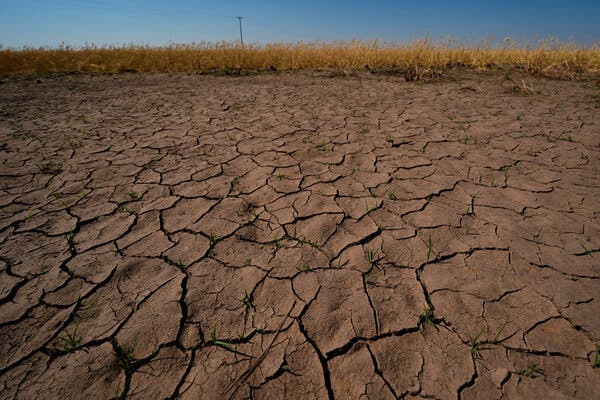
El Niño occurs every few years when trade winds shift, warming the Pacific Ocean, and impacts weather patterns globally. It can enhance floods and droughts, which are already worsening due to climate change.
NOAA’s announcement signifies that temperatures in the equatorial Pacific have exceeded 0.5 degrees Celsius (0.9 degrees Fahrenheit) above the long-term average for several months. Scientists have observed necessary atmospheric shifts indicating an El Niño.
There is a 63 percent probability that sea-surface temperatures will rise 2 degrees Celsius above normal, defining a “very strong” event. Some forecasts predict this year’s El Niño could exceed 3 degrees Celsius, making it historic.
“We don’t really have an analog for that,” stated Malte Stuecker, director of the International Pacific Research Center and associate professor at the University of Hawaii. “In a warming world, that would be pretty catastrophic.”
El Niño events usually peak in the northern hemisphere’s winter, but elevate global temperatures into the following year. The last significant El Niño, in 2023 and 2024, aligned with the hottest years recorded.
While every El Niño is unique, they typically cause wetter conditions in parts of the Americas and drier conditions in South and Southeast Asia, Australia, and southern Africa.
In the United States, El Niño can suppress the Atlantic hurricane season. Colorado State University has reduced earlier hurricane activity predictions for the Atlantic, anticipating the least activity since 2015.
However, NOAA noted that El Niño could increase high tide flooding and algae blooms along the West Coast. Globally, poorer countries face heightened risks of food shortages and droughts, exacerbated by existing challenges like fertilizer shortages and reduced humanitarian aid.
Mohamed Adow from the Nairobi-based think tank Power Shift emphasized El Niño’s severe impacts on vulnerable regions. “In East Africa, especially, this will land on communities already battered by droughts and floods in recent years.”