
Primary Elections in Focus
Primary elections in Nevada, South Carolina, and North Dakota unfolded on Tuesday, but much attention centered on the high-profile U.S. Senate contest in Maine. The political world watched as Republican Sen. Susan Collins faced Democratic challenger Graham Platner, both securing their party’s nomination without substantial opposition. For Platner, Tuesday marked a pivotal moment as he grappled with controversy threatening his campaign.
Platner’s Path Ahead
In Maine, Graham Platner secured the Democratic primary for U.S. Senate, preparing for a significant challenge against incumbent Republican Sen. Susan Collins. Platner, a veteran and oyster farmer, acknowledged the need to rebuild trust among supporters and pledged to earn the backing of those disenchanted by recent personal controversies.
“People can change,” Platner assured his supporters, emphasizing the importance of gaining their trust, faith, and support.
Recent allegations related to explicit messages with women during his marriage fueled skepticism from allies, presenting a formidable hurdle as Platner aims to overcome these controversies and secure victory against Collins, seeking her sixth Senate term.
Democratic Party’s Response to Controversy
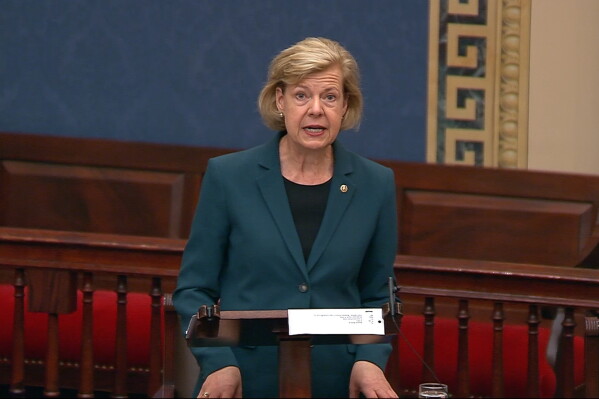
Platner’s win illuminated a shift in Democratic priorities, with electability taking precedence over condemnation of personal misconduct. Endorsements came from figures like Sen. Tina Smith and major party voices, signaling the party’s evolving stance in reaction to allegations.
The Democratic response underscored a broader trend of prioritizing strategic wins over adherence to previously stringent standards. Sen. Bernie Sanders and Elizabeth Warren stood firmly behind Platner, yet dissenting voices like Sen. John Fetterman and Rep. Josh Gottheimer persisted, reflecting diverse opinions within the party.
South Carolina’s Mixed Results
President Trump faced another test in South Carolina’s gubernatorial primary. Despite endorsing Lt. Gov. Pamela Evette, she fell short of a majority in the crowded field, leading to a forthcoming runoff with Attorney General Alan Wilson, demonstrating the challenge in solidifying party strength.
In contrast, Sen. Lindsey Graham, an ally of Trump, clinched a win, avoiding a runoff against business rival Mark Lynch. In Nevada’s congressional district, Trump-backed Lt. Col. David Flippo contends with former Sen. James Settelmeyer, illustrating divided support.
Rep. Clyburn’s Secure Position
South Carolina Rep. James Clyburn, prominent in national politics, confidently advanced in his primary. Although Republican-led alterations threatened his seat, efforts to change district boundaries were thwarted, maintaining his secure footing. His anticipated victory in November would continue his influential role, particularly toward the 2028 presidential race.
Complexity of U.S. Elections
The U.S. electoral process is often lengthy, as evidenced by California’s gubernatorial primary that took days to resolve, and Maine’s intricate ranked-choice voting affecting the timeline. Each state upholds distinct systems and regulations impacting the speed and accessibility of election results.
In South Carolina, Evette and Wilson prepare for their runoff, exemplifying the procedural variations among states that elongate the election process while striving for democratic inclusivity.