
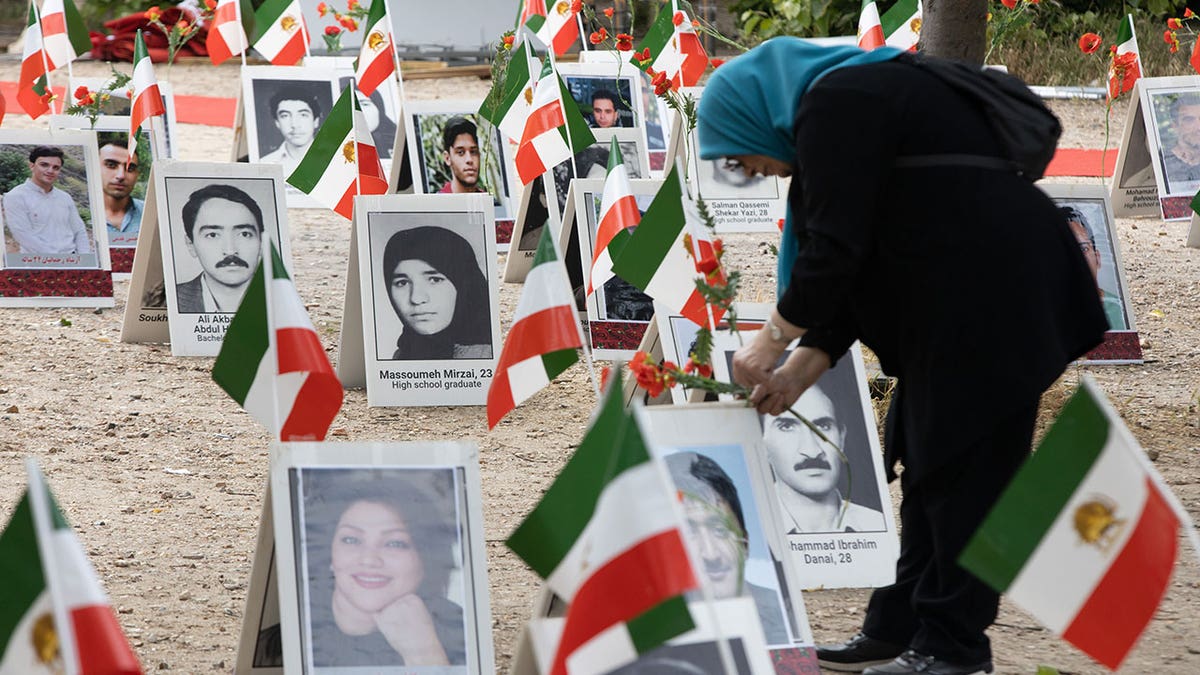
The Islamic Republic of Iran has intensified its execution of dissidents and activists. The true extent is likely concealed due to the regime’s tight control over internet access and information flow. Since uprisings began in January, Tehran has harshly cracked down on opposition voices.
The Iran Human Rights Society reports 784 executions in 2026 alone. A representative highlighted a significant rise in executions beginning in March, with political prisoners targeted more than in the last 37 years.
A State Department official condemned Iran’s actions, stating, “We strongly oppose the Iranian regime’s use of executions as punishment for basic human rights activities, including peaceful protests.”
Information from the National Council of Resistance of Iran (NCRI) revealed that at least 18 prisoners were executed between May 31 and June 1. These included 12 hangings on May 31 and another six on June 1, one executed publicly.
The NCRI counted a total of 32 executions from March 19 to June 1. Among those executed, eight belonged to the People’s Mojahedin Organization of Iran (MEK) and 24 were involved in protests from January 2026.
Documents from the NCRI warn of the “imminent risk of execution” for five political prisoners in Sheiban Prison, mostly charged for MEK association. Maryam Rajavi, the NCRI’s President-elect, has been calling for the U.N. to intervene and prevent these executions.
This sentiment was mirrored by Rajavi’s appeals to the U.N. Security Council and the European Union to “condemn and take action” against the regime’s actions.
Despite internet restrictions, the Iran Human Rights Society continues receiving reports from varied sources like prison contacts and family members. They ensure thorough verification with multiple independent confirmations before publishing information. They pointed out that internet limitations challenge documentation efforts yet maintain the flow of verified information.
Alp Toker from NetBlocks noted that while internet service in Iran partly resumed, it remains slower and heavily censored since the protests and war. Limited access and increased filtering notably target messaging applications.
The Iran Human Rights Society insists the real number of executions “almost certainly” surpasses those documented due to secret executions and unreported cases from less accessible regions.
Efforts to gain comment from the United Nations Special Rapporteur on Iran’s human rights were unreturned regarding the rising execution numbers.
On June 20, up to 100,000 Iranian expatriates plan a significant rally in Paris to push for an end to these executions. More than 100 lawmakers and high-profile officials are expected to support the event, as per NCRI.
Beth Bailey, a reporter with expertise covering Middle Eastern issues and former intelligence analyst, contributes to this report. Her updates can be followed on X @BWBailey85.