
The Changing Landscape of Reputation Recovery
Throughout the 2010s and early 2020s, the established method for handling public backlash followed a predictable pattern. Celebrities facing criticism would usually issue an apology, participate in a controlled interview, withdraw from public view, and attempt a rebrand. Grayce McCormick, founder of Lightfinder PR, explained to Newsweek that reputation recovery followed a ‘predictable sequence.’ This sequence did not only demonstrate remorse but also showed significant change. Redemption tours became standard practice for celebrities and politicians looking to regain public support.
Recent trends, however, suggest this formula may be losing efficacy. Some public figures are rejecting traditional rehabilitation methods and still achieving professional success.
New Approaches in 2026
The narrative around reputation management has shifted. ‘The old belief was that staying silent let others direct the narrative, so public figures were urged to speak first,’ McCormick noted. Today, rather than seeking reconciliation with critics, some public figures choose to focus on their core audiences, largely ignoring backlash altogether.
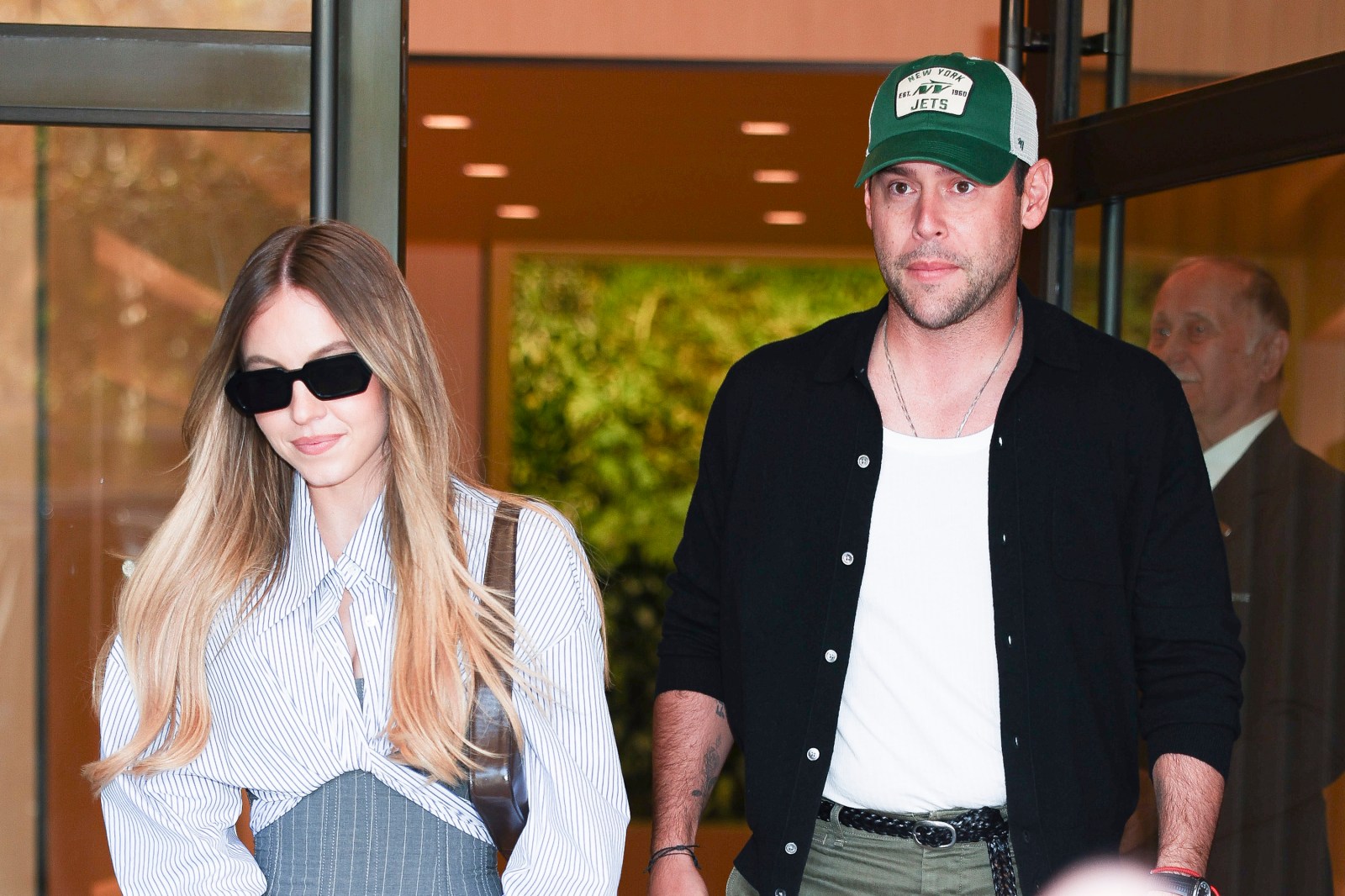
Actress Sydney Sweeney and former talent manager Scooter Braun exemplify this shift. Despite facing criticism in recent years, neither has pursued traditional redemption strategies. Their commercial power remains undiminished.
The Case of Sweeney and Braun
Sweeney and Braun reportedly met at the June 2025 wedding of Jeff Bezos and Lauren Sánchez before confirming their relationship. Sweeney, who finished her role as Cassie in HBO’s Euphoria, continues as the face of American Eagle, despite controversy surrounding last year’s ‘great jeans’ campaign. Her commercial appeal remains robust.
Braun gained fame managing artists like Justin Bieber, Usher, and Ariana Grande before acquiring Big Machine Records in 2019, a move that gave him ownership of Taylor Swift’s master recordings and incited criticism. On the Second Thought With Suzy Weiss podcast, Braun expressed regret for the ‘villain’ image attributed to him due to the fallout, admitting he ‘didn’t know Taylor Swift.’
Their relationship has boosted Braun’s visibility and both continue to face online criticism, all while remaining silent.
Newsweek sought commentary from representatives for Sweeney and Braun, but received no response.
Rethinking Cancel Culture’s Impact
McCormick stated, ‘Sydney Sweeney and Scooter Braun may signal an evolution, but not the end, of cancel culture.’ Neither attempts to persuade critics to alter their views, focusing instead on their professional endeavors. McCormick attributes this change partly to ‘outrage fatigue,’ where audiences increasingly evaluate controversies by context and severity.
Rapid news cycles may also contribute, with public attention shifting quickly, causing controversies to fade rapidly. Sarah Schmidt, president of PR firm Interdependence, told Newsweek, ‘The rules have changed.’ Accountability remains important, yet there is growing disagreement over what deserves lasting repercussions. A 2025 YouGov poll showed 51% felt cancel culture overreached, while only 13% found it appropriate.
Adapting Reputation Management
Traditionally, apologies, interviews, and acts of contrition were used to restore reputations. Increasingly, public figures adopt a different tactic: focus on work, avoid excessive explanations, and let audiences decide if the controversy holds significance.
‘Authenticity’ is now essential. If audiences perceive an apology as insincere, its utility diminishes. Schmidt remarked, ‘Audiences can spot a crafted apology from a mile away.’ Consistency, rather than redemption alone, carries more weight.
Brand’s Perspective on Controversy
Brands are also adapting, recognizing controversy’s potential not as a threat, but as an opportunity. Engagement and even criticism can generate visibility, impacting sales positively.
An example is Sweeney’s American Eagle campaign, which faced backlash online. Yet, the incident coincided with a 25% rise in the company’s stock price. Schmidt concluded, ‘Controversy is currency’ in today’s attention economy.
McCormick warned, ‘Not all publicity is good,’ acknowledging that severe ethical breaches can permanently damage reputations. Yet, brands differentiate temporary backlash from true consumer rejection.
Public image retains importance, although universal approval may not be necessary.
The Evolution of Cancel Culture
Although cancel culture persists, evidence suggests a shift in how public figures navigate controversies and respond to online criticism. The important question now might be whether celebrities need a redemption tour at all to survive cancellation.