
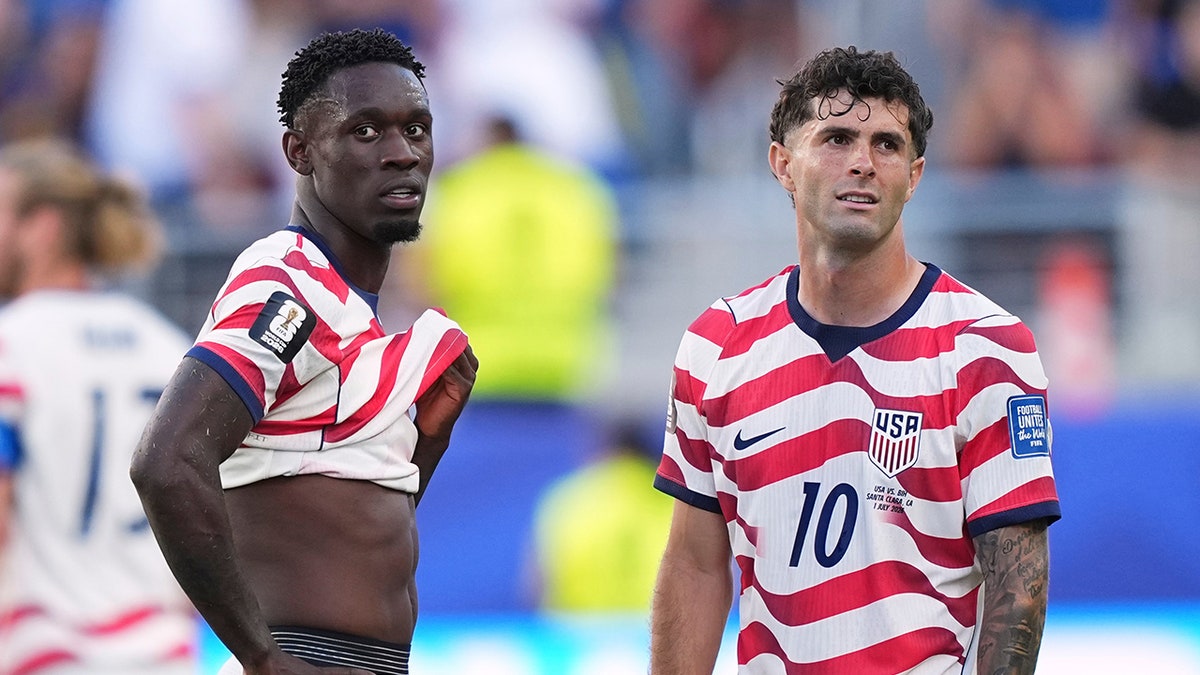
The World Cup has driven significant economic growth while inspiring a new wave of soccer talent in the United States. Brian Kilmeade outlines the record-breaking viewership and the financial uplift seen in host cities. Alan Rothenberg, the founder of Major League Soccer, highlights the tournament’s achievements and the promising young talent emerging within U.S. Soccer.
According to Rothenberg, this momentum is set to inspire the next generation of players, cementing soccer’s growth and competitive future in the U.S. Despite concerns and criticism regarding the 2026 FIFA World Cup from European fans and certain commentators, the event has proven to be a monumental success. The group stage alone smashed attendance records, with fans flocking to the U.S. to witness top-tier international soccer. Local supporters also showed immense enthusiasm, investing heavily in tickets to witness world-class matches.
Television ratings have soared, particularly during the U.S. men’s national team’s match against Belgium. This match broke records, becoming the most-watched English-language soccer broadcast in U.S. history.
“United States’ Folarin Balogun and Christian Pulisic were key figures during the match against Bosnia,” – AP Photo by Martin Meissner.
One notable change for the 2026 tournament was the expansion to 48 teams. While some purists were skeptical, the expanded format gained plaudits, allowing smaller nations to participate and sometimes surprise fans. Cape Verde, in particular, advanced beyond the first round, putting up a strong fight against Argentina.
FIFA, led by President Gianni Infantino, is keen to harness this success. Infantino revealed discussions would begin regarding further expansion. A 64-team format is under consideration.
“A World Cup should be for everyone,” Infantino told Swiss broadcaster Blue Sport. “Every nation should dream of participating.”
Expanding the number of teams would lead to more matches and broadcasts, potentially increasing revenues. It could also enhance international participation and investment in soccer. However, issues arise with a 64-team format, as qualification would become less challenging and the hosting requirements more demanding.
Currently, the U.S. stands out as uniquely equipped to host such a large-scale event. With around 75 stadiums holding over 60,000 spectators each, the U.S. has logistical advantages over Europe, mitigating travel concerns and minimizing costs.
“During the official draw, FIFA President Gianni Infantino commended the U.S. for its hosting capabilities,” – Getty Images.
While other nations may oppose the idea of the U.S. as a permanent host, the 2026 event demonstrated the country’s ability to engage fans effectively. Moving forward, the focus will remain on the U.S. continuing to develop and succeed in soccer on the world stage.