
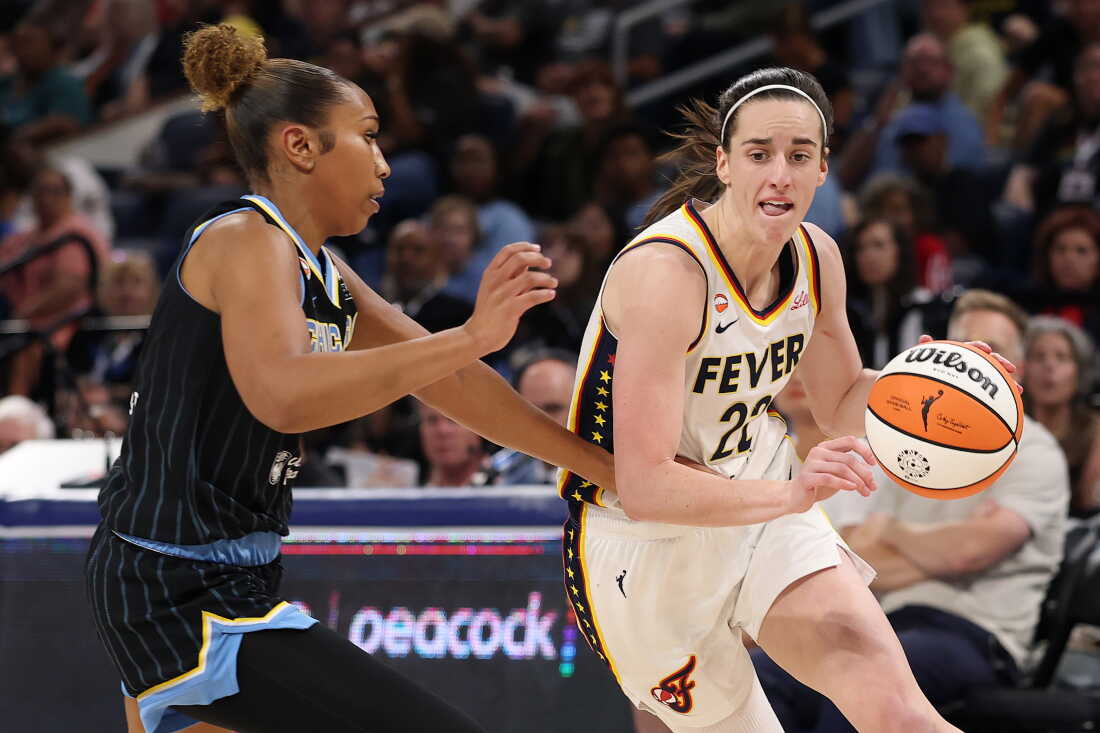
The Women’s National Basketball Association (WNBA) is experiencing remarkable growth. Increased viewership and attendance, along with soaring team valuations, mark a significant year for the league. A substantial $3.1 billion media rights agreement reflects the WNBA’s increasing popularity.
Sabreena Merchant, a journalist for The Athletic, highlights the league’s progress: “There’s immense talent, and the quality of play has never been better. The playoff field is unpredictable, creating excitement for the 2026 title race.”
“There’s immense talent, and the quality of play has never been better.”
Controversy and Challenges
The WNBA faces controversies and cultural debates. Fox News dedicated over 206 segments to the league since June 25, stirring tension around race and transgender athletes. Merchant comments, “The WNBA is often viewed through a political lens, using the league as a political tool.”
Management and Commissioner Concerns
Chicago Sky management has sought national security experts to protect players off the court. Commissioner Cathy Engelbert plans to step down by year’s end. Merchant believes a new commissioner could better control the WNBA’s narrative amid cultural debates.
Physicality and Misogyny
The issue of physicality in the WNBA raises discussions about misogyny. Some believe women should avoid physical spaces. The perception challenges the notion that women should engage in professional sports.
Caitlin Clark’s Impact
Caitlin Clark transformed the league with her 2024 entry, boosting popularity and viewership. Indiana Fever games often set records, and Clark’s WNBA draft was highly viewed. NBA Commissioner Adam Silver concerns about Clark’s treatment hint at disparities within the league.
Defensive Dynamics
There is a perception that Black players defend Clark more aggressively due to her popularity. Data shows Caitlin Clark draws more fouls than other guards, indicating heightened defensive attention.
Sophie Cunningham’s Stance on Trans Athletes
Sophie Cunningham expressed views on transgender athletes, stating they shouldn’t compete in women’s sports. Her stance reflects a viewpoint on exclusivity for cisgender women in sports. Currently, the WNBA lacks a defined policy on transgender athletes.
Officiating Quality Concerns
Players universally note that WNBA officiating lags behind the quality of play. Officials are not full-time and often split duties with college basketball refereeing, affecting performance consistency.
Salary Dynamics
A new collective bargaining agreement increased the average salary for WNBA players to around $600,000. Previously, players earned higher salaries overseas, leading to year-round competition, limiting rest and personal time.
The agreement includes revenue-sharing, linking rising league revenue to salary adjustments. This change aims to balance earnings between domestic and overseas play.