
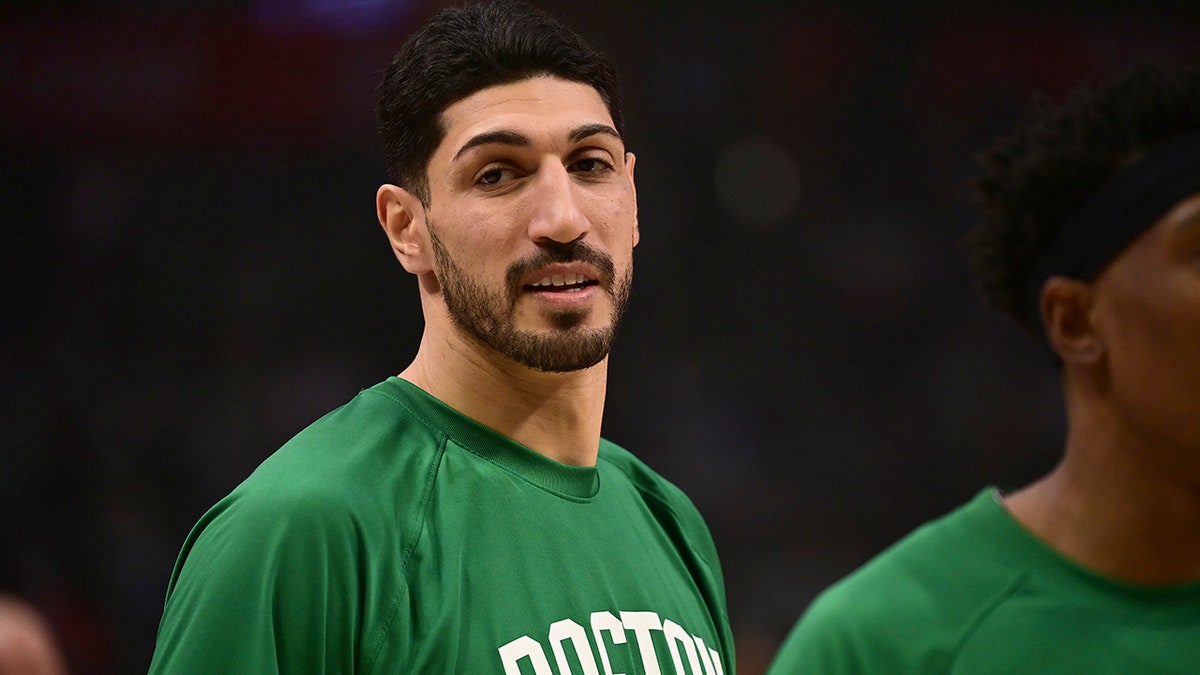
On Friday, Enes Kanter Freedom and Royce White created a challenging situation for the WNBA by declaring their intention to enter the 2027 draft. This follows the controversy involving Sophie Cunningham, and the WNBA’s options are limited and not particularly favorable.
The two former NBA players, Kanter and White, raised eyebrows with this move. Their declarations challenge the league’s current protocols. Freedom asserted on social media, “If simply declaring who you are is all that’s required, I meet every requirement necessary to compete in the WNBA.” White added he identifies as transgender for basketball purposes and declared for the draft, suggesting potential dominance if allowed to play.
Some view their action as a test of the WNBA’s rules and values. The league might prefer not to see these declarations realized. If the WNBA denies their eligibility, it would be in line with those expecting such a response, challenging the league’s stance on inclusivity.
Options for the WNBA
Reject Without Explanation
This approach allows the WNBA to distance itself without extensive discussion. By stating, “They are ineligible under current league rules,” without elaboration, the league maintains its stance. Most WNBA media supporters would likely avoid pressing the issue further, and any outlets challenging this would find access to WNBA events limited.
Reject Them as Cisgender Men
Labeling White and Freedom as cisgender might be another route. The term describes someone whose gender identity matches their birth sex. The WNBA could argue they don’t meet the draft criteria as both have publicly identified as men.
Create a Trans-Eligibility Standard
The league might develop criteria requiring a transition history and hormone compliance for transgender players. This action lets the WNBA declare regulations while aligning with progressive standards, albeit temporarily excluding Freedom and White.
Define Eligibility by Biological Sex
This option involves defining eligibility based on biological sex. While straightforward, it conflicts with the WNBA’s inclusive initiatives, potentially causing public backlash from progressive circles and damaging its reputation.
Accept Both as Eligible
Allowing them to play would unleash controversy across the league. Embracing their declarations could support the league’s inclusivity stance but likely alienate many current supporters and players.
The situation is unresolved, and potential outcomes vary. How the league responds could significantly impact its future.