
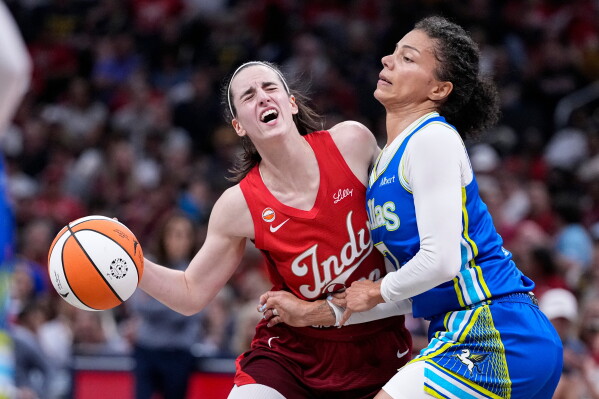
During the Hall of Fame weekend in Uncasville, Conn., the spotlight is on basketball. However, discussions about the WNBA extend beyond the court as conversations about race, gender, and sexuality continue to make headlines. Despite the remarkable on-court performances marking the WNBA’s 30th year, these discussions often overshadow the game.
Parallels with NBA History
Hall of Famer Dawn Staley, inducted again as part of the 1996 Olympic women’s basketball team, sees a beneficial aspect in the current turbulence. She compares the WNBA’s challenges to those the NBA faced during its early days, noting that the NBA dealt with issues of racial integration as it diversified from an all-white league. Staley believes the WNBA will successfully navigate its own challenges surrounding gender identity discussions.
Gender Identity and the WNBA
The WNBA faces polarizing views regarding whether transgender women should be allowed to play. Players who were assigned female at birth but identify as transgender or nonbinary have already participated in the league. This evolving dialogue often leads to heated debates.
Nneka Ogwumike, WNBA players’ union president, expressed concern for the transgender fans, highlighting the impact of these discussions on long-term supporters. She feels there might be broader agendas influencing these conversations, which risk marginalizing the groups the league supports.
Balancing Basketball and Social Issues
Ogwumike acknowledges the complex environment players face, straddling the line between media coverage of basketball and social issues. While she appreciates basketball-related questions from the media, she grapples with addressing off-court issues without seeming insensitive.
Dawn Staley also notes how on-court achievements get overshadowed by off-court distractions. She emphasizes the importance of focusing on the game despite the challenges.
Increased Attention and Challenges
The WNBA has seen a 17% rise in viewership over the previous season, with high attendance figures. However, not all attention is favorable. Social media attacks on players have increased, reflecting the intensified scrutiny in the public sphere.
Candace Parker, a Hall of Fame inductee, acknowledges the rise in personal and threatening comments towards players. She points out that while these issues might have been ignored before, they can’t be overlooked now, as repercussions are becoming more common.
Chamique Holdsclaw, who played in the league from 1999-2010, contrasts her experiences with today’s environment, where social media has brought locker room disagreements into the public eye.