
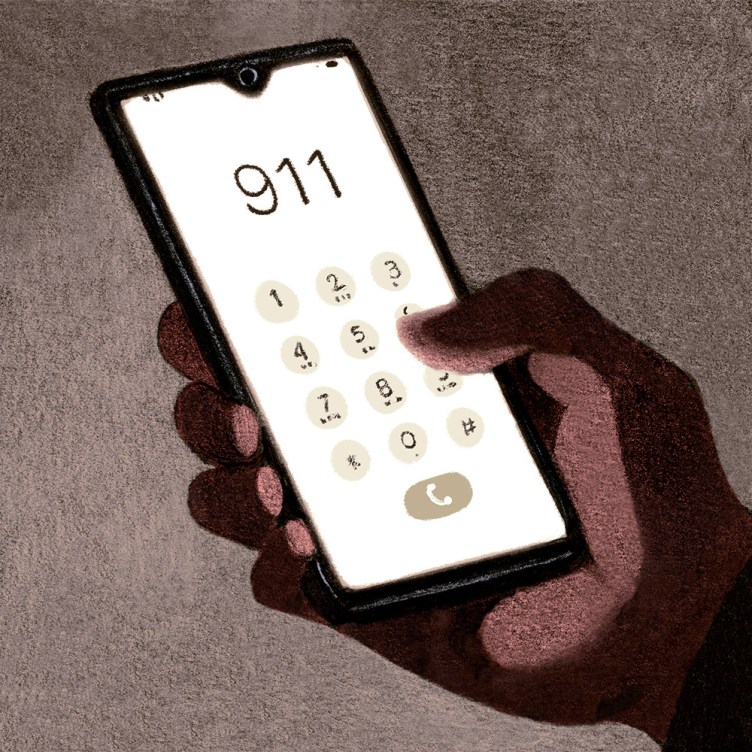
In the United States, immigrant women facing domestic violence often endure a unique and harrowing consequence: detention by federal authorities. Many women claim that they were victims, not perpetrators, yet arrests were made after calls were placed to the police regarding domestic violence incidents.
Detention in Michigan
At a detention center in western Michigan, many immigrant women have found strength in each other to endure months in custody. These women spoke about the violent partners whose police calls resulted in their detainment. They shared stories of threats, physical abuse, and being falsely accused.
“I was the victim, not the abuser,” these women told authorities and anyone willing to listen. Yet, they ended up in detention, labeled as high-security risks.
Erosion of Protections
The Trump administration attempted to dismantle protections that once shielded domestic violence victims from deportation. Policies prohibiting immigration arrests at sensitive locations like shelters and hospitals were rescinded early in Trump’s presidency. Federally granted protections under the Violence Against Women Act (VAWA) were also weakened.
Legal Perspectives and Impact
Migladys Bermúdez, an immigration attorney, recalls a call from Pilar, a Peruvian woman detained at North Lake Processing Center, who sought escape from an abusive partner but was accused and detained instead. Leya, a Cuban immigrant, faced similar challenges, separated from her child due to questionable allegations of violence against her partner.
Cases against these women were dropped or never charged, yet ICE detained them following local arrests. Historically, immigrant victims could expect some level of protection under VAWA. Now, with changes in policy enforcement, especially under the Trump administration, many face increased risks.
Community and System Responses
Immigrant advocacy groups have filed civil lawsuits alleging that changes under Trump undermine public safety and breach legally promised protections for victims. Judges at times intervened to restore protections during pending cases, though ICE has continued its aggressive detainment efforts.
Incidents of violence and subsequent arrests reveal the struggles faced by these women. In particular, the cases of Pilar and Leya highlight the challenges of systemic failures to recognize and protect IPV survivors.
Unforeseen Consequences
Law enforcement in the U.S. is often required to make arrests in domestic violence situations when there is probable cause. However, complexities can lead to victims being mistakenly detained. This approach can ensnare non-English speaking immigrants who misunderstand their rights.
Continued Fight and Advocacy
Despite systemic challenges, many immigrant women and their advocates plead for fair treatment and the ability to seek safety without fear of deportation. This is critical to ensure they are not retraumatized or criminalized further by the legal system.
Conclusion and Continuing Struggles
For those like Pilar and Leya, the journey to safety and justice remains fraught with obstacles. While systemic changes and awareness are necessary steps forward, individual stories pave the way for advocacy and highlight the urgent need for a more humanitarian approach to immigration enforcement surrounding domestic violence cases.