
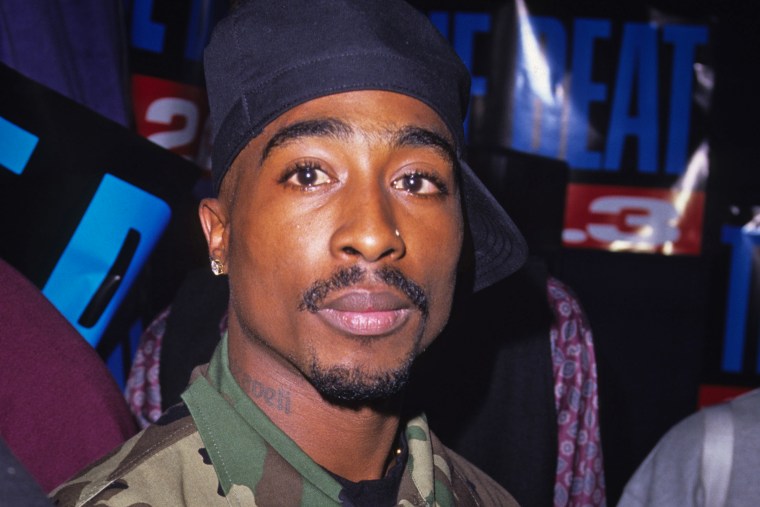
Duane “Keffe D” Davis has been found guilty of first-degree murder with the use of a deadly weapon for the 1996 killing of rapper Tupac Shakur in Las Vegas. Clark County prosecutors presented Davis, 63, as a former leader in the South Side Compton Crips, who sought revenge against Shakur after an attack on his nephew. Following the verdict, Davis remains in custody as he awaits his sentencing scheduled for October 13. Despite the conviction, Davis plans to appeal.
The courtroom saw various reactions when the verdict was read. Davis’ son covered his face, reflecting the emotional strain. Sekyiwa “Set” Shakur, Tupac’s sister, reacted tearfully. Despite not firing the shots, under Nevada law, Davis was convicted for his involvement in facilitating the murder. He’s the last surviving individual from the car involved in the shooting, according to prosecutors.
This trial offered answers to part of a mystery that has captivated hip-hop fans, crime experts, and conspiracy theorists for decades. Tupac Shakur, who died at 25, remains a monumental figure in music, influencing new and old audiences alike. Chief Deputy District Attorney Binu Palal, in his closing, stated that Davis actively pursued Shakur and Marion “Suge” Knight after a confrontation at the MGM Grand Hotel in Las Vegas, where Shakur and Knight attacked Orlando “Baby Lane” Anderson. Jurors reviewed video evidence and heard testimonies regarding the infamous incident leading up to the drive-by shooting in which Knight was injured and Shakur later died.
Back in 2008, Davis entered into an agreement with federal investigators regarding another case, expecting immunity for any involvement in Shakur’s murder. The deal did not protect him from state prosecution for revealing his involvement. Through this agreement, Davis shared insider details about Shakur’s murder. In 2019, Davis published a memoir titled “Compton Street Legend,” admitting his role in Shakur’s murder, a crucial piece in reviving the investigation.
The trial featured extensive testimonies, spanning weeks, from numerous former investigators and officers. Decades of investigation led them from the Las Vegas Strip to Compton, Los Angeles, where gang wars erupted post-shooting. Difficulties arose from uncooperative witnesses and inconsistent accounts, complicating the case further, as noted by former detectives.
Defense attorney Michael Sanft argued that Davis exaggerated his involvement for fame and financial gains. The lack of physical evidence linking Davis to the crime scene was a key defense argument. Sanft highlighted the absence of receipts, phone logs, or photos placing Davis in Las Vegas at that time. Even with his confession, doubts remained about the consistency of his statements with previous accounts.
This culmination addresses a complex case that persisted over 30 years, clouded by unreliable information and the passage of time.