
Image credit: DAVISUALS/Patrick Smith/Getty
U.S. Intervention and Political Changes
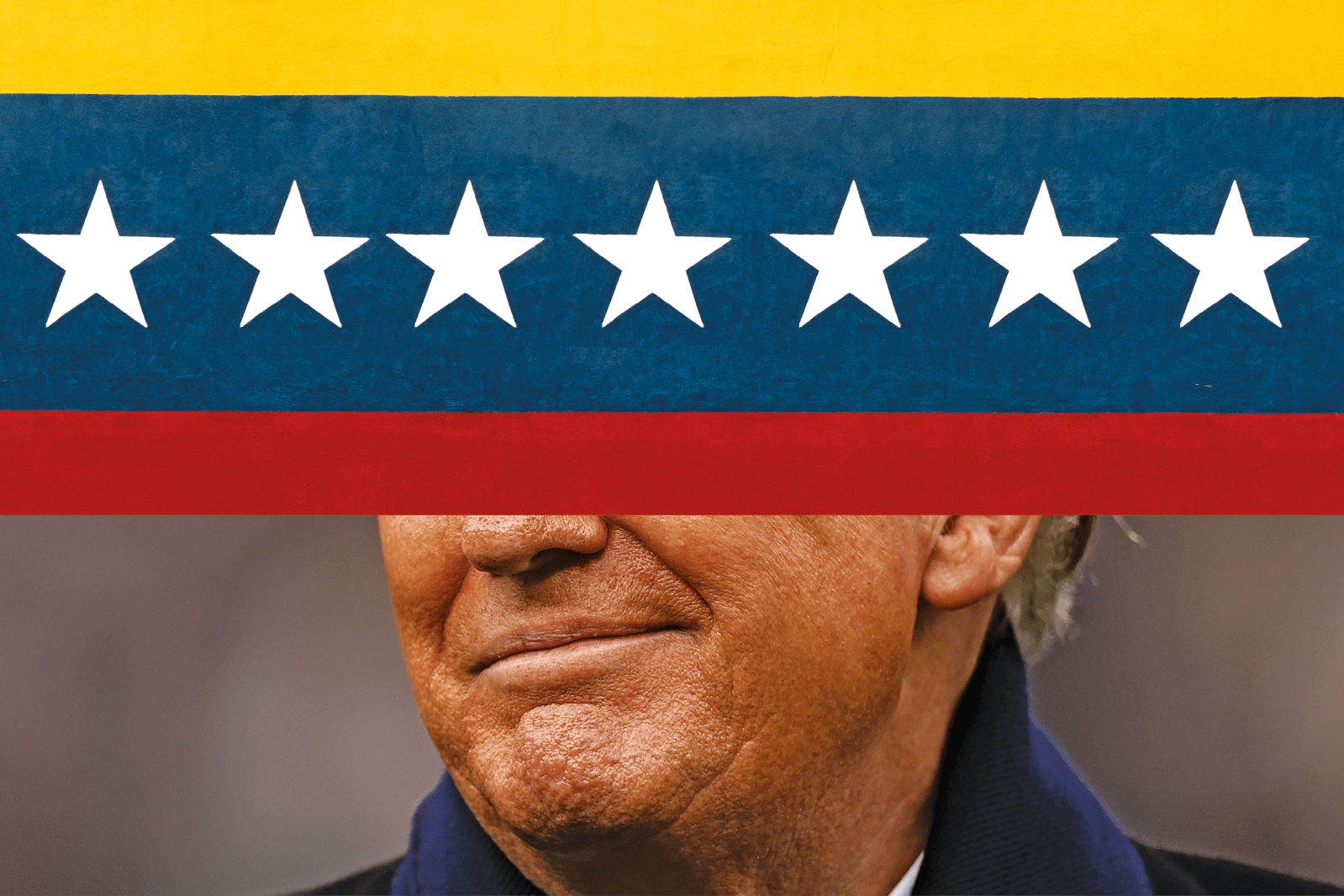
In January, President Donald Trump ordered a raid to apprehend Venezuelan President Nicolás Maduro, who was then brought to the U.S. to face narco-terrorism charges. This bold move sparked concerns among U.S. politicians. Adam Smith of the House Armed Services Committee cautioned against military intervention, citing past failures like Iraq and Libya. Representative Jim Himes drew parallels to past military actions in Afghanistan and Iraq, expressing skepticism. However, Secretary of State Marco Rubio dismissed these concerns, noting the differing missions and contexts.
Six months later, fears of chaos were unfounded. American troops are now present in Venezuela, yet Venezuelans appear to welcome the change. International companies, such as Shell and SLB, have resumed or expanded operations within the country. Political prisoners have been released, and political activity has been revived.
Impact of Natural Disaster
The picture changed when two major earthquakes struck Venezuela on June 24, causing significant damage and loss. An estimated 5,000 people were killed, and over 18,000 remain missing according to online registries. Buildings and infrastructure suffered massive damage, with the cost of rebuilding expected to range between $12 billion and $20 billion.
Despite this setback, U.S. aid has been crucial in the recovery efforts. American assistance in the form of daily shipments has been arriving and distributed to the hardest-hit regions. The presence of U.S. personnel has fostered increased trust among the Venezuelan population.
Economic Opening and Investment Opportunities
Venezuela’s significant oil reserves remain a key interest for investors. The country’s oil production has risen significantly since January. New laws have been passed to facilitate external investment and privatize segments of the oil industry. This policy shift has attracted asset managers and hedge funds eager to capitalize on the country’s resources.
Aside from energy, sectors such as technology, telecommunications, and mining are witnessing growing interest from international investors. Although the recent earthquakes impacted economic projections, major oil-producing regions remained intact, preserving much of Venezuela’s economic potential.
Trust in the U.S. and Political Sentiment
Public trust in the U.S. has increased markedly in recent months. Polling data revealed a rise in positive sentiment toward foreign investment and the United States’ involvement in Venezuela. This impressive shift highlights a broader acceptance of external influence, particularly due to the effective aid response following the earthquakes.
The political landscape remains unsettled, with figures like opposition leader María Corina Machado gaining public trust. Calls for more comprehensive democratic reforms are growing, although some caution patience.
Challenges and Future Prospects
The Venezuelan economy faces substantial hurdles. Major restructuring of the national debt and financial systems is required. The economic environment remains fragile, with substantial underinvestment years requiring redress. Nevertheless, investor interest continues to build.
As the country navigates these complex challenges, both domestic and international actors are poised to play significant roles in shaping its future. The balance of maintaining a stable environment while fostering democratic processes remains a crucial element in Venezuela’s ongoing transformation.