
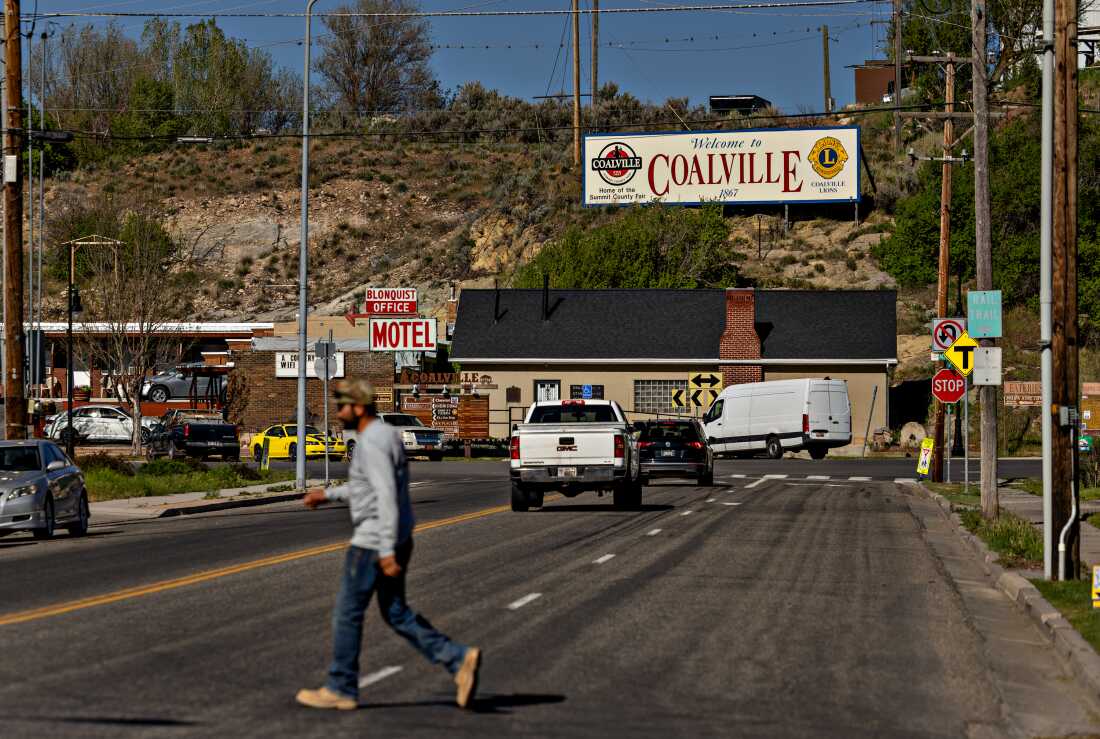
In Utah, known for its conservative leanings, a coalition of communities has embarked on a journey to integrate more renewable energy into the electric grid. This group spans areas from the bustling city of Salt Lake City to rural towns like Coalville. Their initiative stands as a potential model for other U.S. cities seeking climate action amid federal retreat from clean power policies.
Federal Retreat and Local Response
Amidst the backdrop of federal disengagement from climate change efforts, spearheaded by President Trump’s executive orders to resuscitate the coal industry, communities and neighborhoods are stepping up. In Utah, such communities have formed the Utah Renewable Communities coalition. Representing 19 locales, including Salt Lake City, the group aims to increase clean energy sources to power nearly 300,000 homes and businesses by 2030.
Collaborative Efforts in Utah
The coalition’s goal is clear: enhance the state’s energy grid with projects like solar arrays and wind farms. Years of effort culminated in regulatory changes allowing collaboration with Rocky Mountain Power to add renewable energy sources to the grid. Emily Quinton, Sustainability Director of Summit County, highlights the benefits of clean energy as a long-term investment for a more reliable and cost-effective grid.
Clean energy isn’t just a temporary fix. It’s a strategic investment for a more reliable future grid, said Quinton.
Coalville in particular has a rich mining history, but now seeks growth through renewable energy. Despite state leaders passing legislation to prolong coal’s tenure, Utah’s energy landscape is shifting. With renewables contributing around 22% of electricity, the coalition aims to expand this trajectory significantly.
Varied Motivations
Motivations within the coalition vary. Pollution reduction and greenhouse gas emission cuts drive some. For others, economic pragmatism plays a role. The collaboration’s persistence through various federal administrations demonstrates local resilience.
Efforts have faced hurdles, particularly with regulatory approvals and coordinating among 19 communities. Yet, state legislation passed in 2019 laid the groundwork for community-utility partnerships, despite political pushback, especially from coal-dependent towns. Steve Handy, a key legislative advocate, noted the economic rationale in diversifying Utah’s energy sources.
The coalition’s work is fueled by residents demanding more clean energy options.
Impact of Climate Change
The urgency of addressing climate change is palpable in places like Park City, where unseasonably warm winters have threatened both the local economy and identity. Collaborative efforts in Utah are drawing attention from other states, showcasing a pragmatic approach to clean energy that other regions might emulate.
Political and Economic Considerations
The Trump administration’s policies favoring fossil fuels have challenged progress in renewables. Yet, experts like Severin Borenstein from UC Berkeley argue that grassroots initiatives could catalyze wider shifts even if federal support wanes.
Residents across Utah, from Moab’s municipal solar projects to Castle Valley’s hopeful embrace of clean energy, showcase a practical, collective approach to sustainability.
Looking Ahead
Utah’s Public Service Commission has greenlit the renewable program, with enactment requiring local ordinances by June. By doing so, participating communities will soon enroll in the renewable program, with modest monthly fees to follow. Support mechanisms exist for low-income residents, ensuring inclusivity. While the coalition’s journey continues with plans to announce its first project soon, the commitment to clean energy remains a beacon of hope for sustainable progress in Utah.