
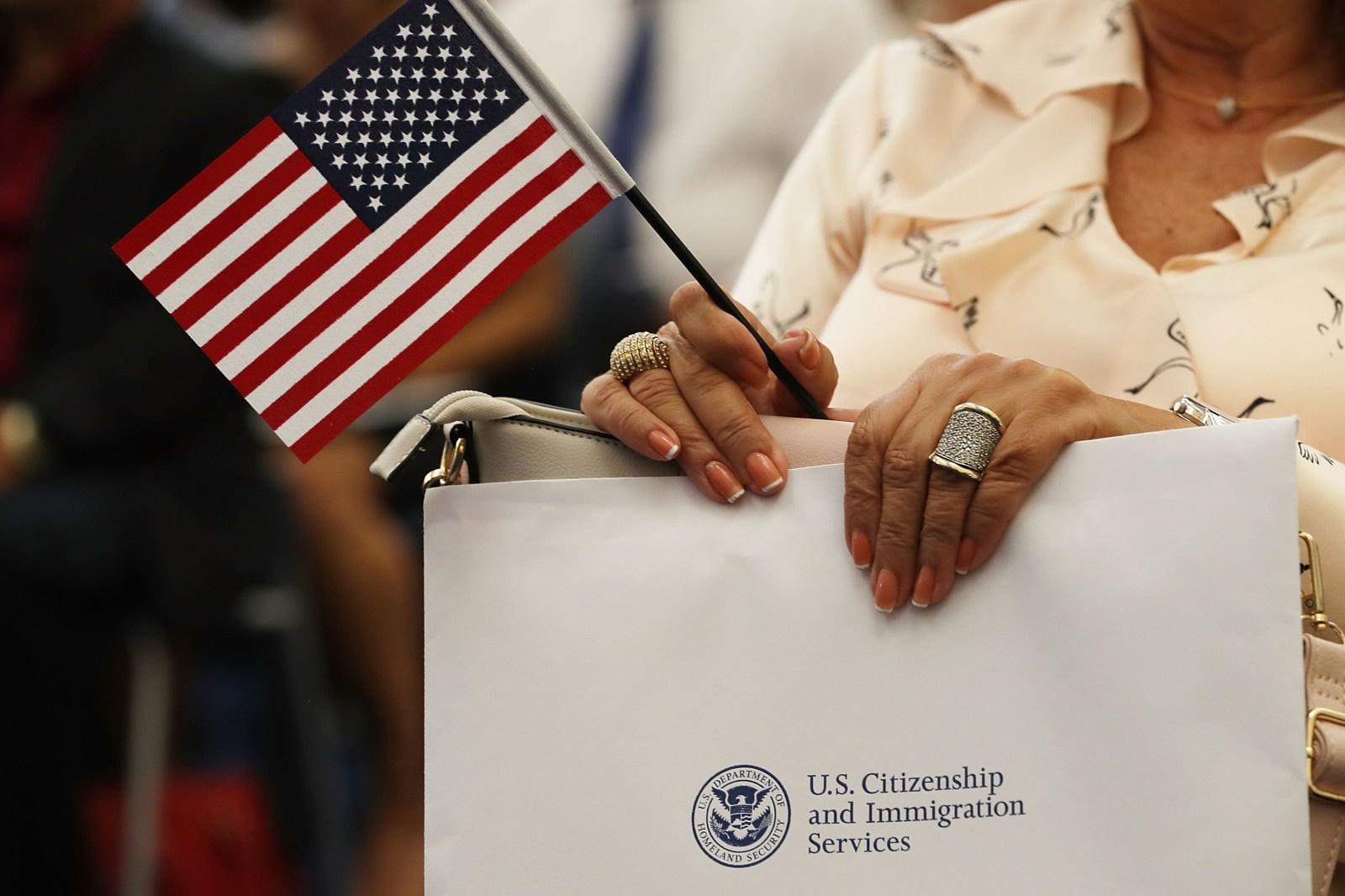
U.S. Citizenship and Immigration Services (USCIS) has released a new policy that allows officials to deny certain applications, including green card requests, without giving applicants the chance to provide missing evidence initially. Implemented on August 5, the change restores officers’ discretion to deny requests when applicants fail to provide necessary evidence or prove eligibility at the time of filing. This decision aligns with existing federal regulations and affects both pending and newly filed requests.
USCIS Spokesman Zach Kahler explained to Newsweek that the change restores the existing regulatory authority of immigration officers to immediately deny applications that do not follow instructions or establish eligibility. The guidance impacts a variety of immigration benefits such as green cards, work permits, and citizenship applications. Although officers can still issue Requests for Evidence (RFEs) or Notices of Intent to Deny, they are no longer generally required to do so before rejecting applications lacking required documentation or eligibility evidence.
“U.S. Citizenship and Immigration Services has restored immigration officers’ authority, which already existed under regulation, to immediately deny immigration benefit requests that fail to follow instructions or fail to demonstrate eligibility for the benefit at the time of filing.” – Zach Kahler
Stephanie Lewin, a partner at Waypoint Immigration USA, mentioned that this policy could significantly impact green card applicants, affecting both pending and new cases. If required evidence was not previously submitted, a pending application adjudicated after August 5 could face outright denial, representing substantial loss of time and money.
This policy shift represents another change in USCIS adjudication policy. Under President Donald Trump, the agency had expanded officers’ authority to deny applications without issuing an RFE. President Joe Biden’s administration reversed this in 2021, directing officers to allow applicants to correct deficiencies by issuing RFEs or Notices of Intent to Deny before rejecting applications. The current change aims to align agency practice with long-standing regulations and aims to reduce incomplete and placeholder filings which may delay processing for others.
The agency also noted that incomplete filings have been used by some applicants to obtain related benefits like employment authorization while awaiting decisions on their cases.
Several other changes accompany this policy. Officers are no longer expected to allow the maximum 12-week response for RFEs. Although the regulatory limit still applies, USCIS has ceased providing an additional 14 days for responses to notices mailed overseas. This leaves only the standard three-day mailing allowance.
USCIS also clarified that if an applicant submits evidence in response to an RFE or Notice of Intent to Deny, the submission may still be treated as a request for a decision based on existing records, even if incomplete.
Immigration attorneys expressed concern over the practical implications of this change. Green card, work permit, and citizenship applicants now risk outright denial for missing initial evidence. As immigration attorney Xiao Wang noted, the previous policy offered a second chance to fix errors, but now such discretion is left to the officer.
“The old policy gave you a second chance to fix a gap. That second chance is now at the officer’s discretion.” – Xiao Wang
Lewin highlighted that family-based applicants and others without legal representation are particularly vulnerable to omissions, such as failing to include supporting evidence for marriage-based green card petitions or financial documents for affidavits of support.
She also emphasized that this policy might heavily impact those trying to maintain legal status after job losses, especially individuals who file to change immigration status and plan to submit additional evidence later.
“This is truly a precarious time for those individuals who have done everything legally and lawfully to remain in status. One missing document could completely upend their immigration journey in the U.S.” – Stephanie Lewin
The policy took effect immediately for pending benefit requests as of August 5 and applies to new applications filed after that date.