
A new U.S. law, enacted in February 2026, targets countries that support the Cuban regime’s involvement in human trafficking of medical professionals. The law for fiscal year 2027 may soon see a House vote.
For many years, the Cuban dictatorship has earned billions by sending medical professionals to remote areas under challenging conditions. These doctors receive minimal compensation, with the regime profiting $4-8 billion yearly by retaining 75-95% of their earnings.
US Actions Against Cuban Exploitation
The U.S. State Department reports describe the program as exploitative, stating the regime confiscates doctors’ passports and restricts families in Cuba to discourage defection. In 2020, the U.S. officially labeled the practice as “human trafficking” or “forced labor.”
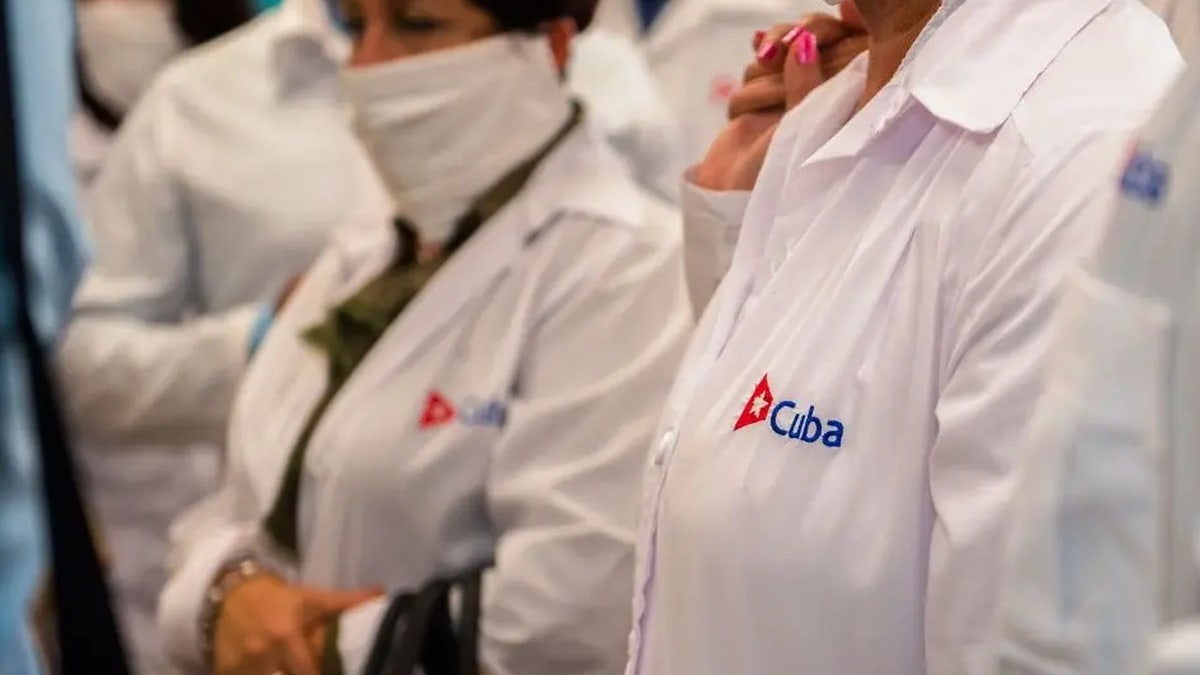
An image from June 2020 shows Cuban doctors arriving at the Martinique-Aimé-Césaire airport, illustrating the international presence of these medical missions. (Photo by Lionel Chamoiseau/AFP via Getty Images)
The Consolidated Appropriations Act of 2026 requires the State Department to identify countries that compensate the regime for these doctors. Remaining on this list for two consecutive years results in a loss of U.S. foreign aid. Additionally, involved foreign officials face U.S. entry bans and potential asset freezes.
Countries Responding to U.S. Pressure
This law has prompted responses from nations like Guatemala, Jamaica, Guyana, and others, which have reduced or ceased their use of Cuban doctors. The Bahamas attempts to alter terms by paying the doctors directly, a move the regime opposes. Under the Trump administration, officials from Brazil, Grenada, and several African countries faced visa restrictions for their involvement.
Rep. Mario Díaz-Balart serves as vice chair of the House Appropriations Committee, also chairing its Subcommittee on National Security, Department of State, and Related Programs.
This legislation ensures accountability by exposing and penalizing those benefiting from the exploitation. The law supports Cuban people by protecting doctors from abuse and reducing the regime’s financial resources.