
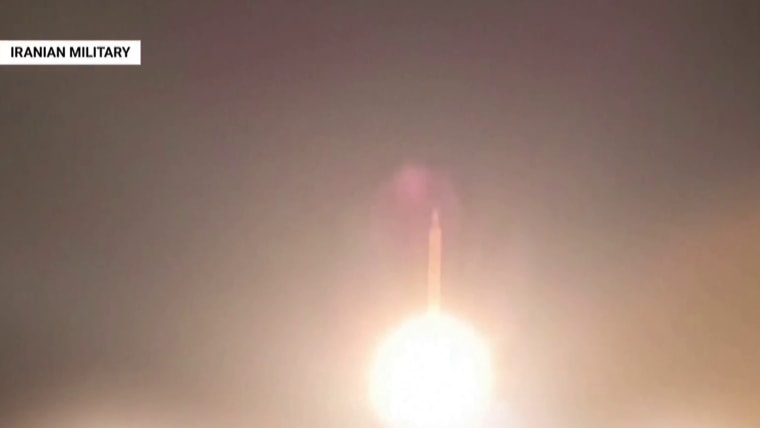
The situation between the United States and Iran remains tense as both nations continue to exchange military actions. In recent developments, U.S. military forces have targeted Iranian military sites and drones, escalating the conflict further.
Meanwhile, Israeli strikes in Lebanon are complicating possible peace agreements between the U.S. and Iran. The involvement of other regional powers adds to the complexity of the situation. In the U.S., the House of Representatives voted to limit President Trump’s war powers, reflecting domestic political pressures amid international tensions.
Security footage has revealed the aftermath of an Iranian drone attack on Kuwait’s airport, underscoring the regional impact of the conflict. This attack led to a temporary closure of the airport, causing significant disruptions.
The attempts to establish a ceasefire have faced setbacks, with new attacks by both Iran and the U.S. straining the fragile peace efforts. Despite the ongoing hostilities, there are reports of negotiations progressing between U.S. and Iranian officials, with hopes of reaching a preliminary peace deal.
However, the talks have experienced interruptions, with Iranian media reporting that Tehran has suspended negotiations in response to Israeli military actions in Lebanon. As the situation evolves, international observers closely watch the unfolding events and their implications for regional stability.