
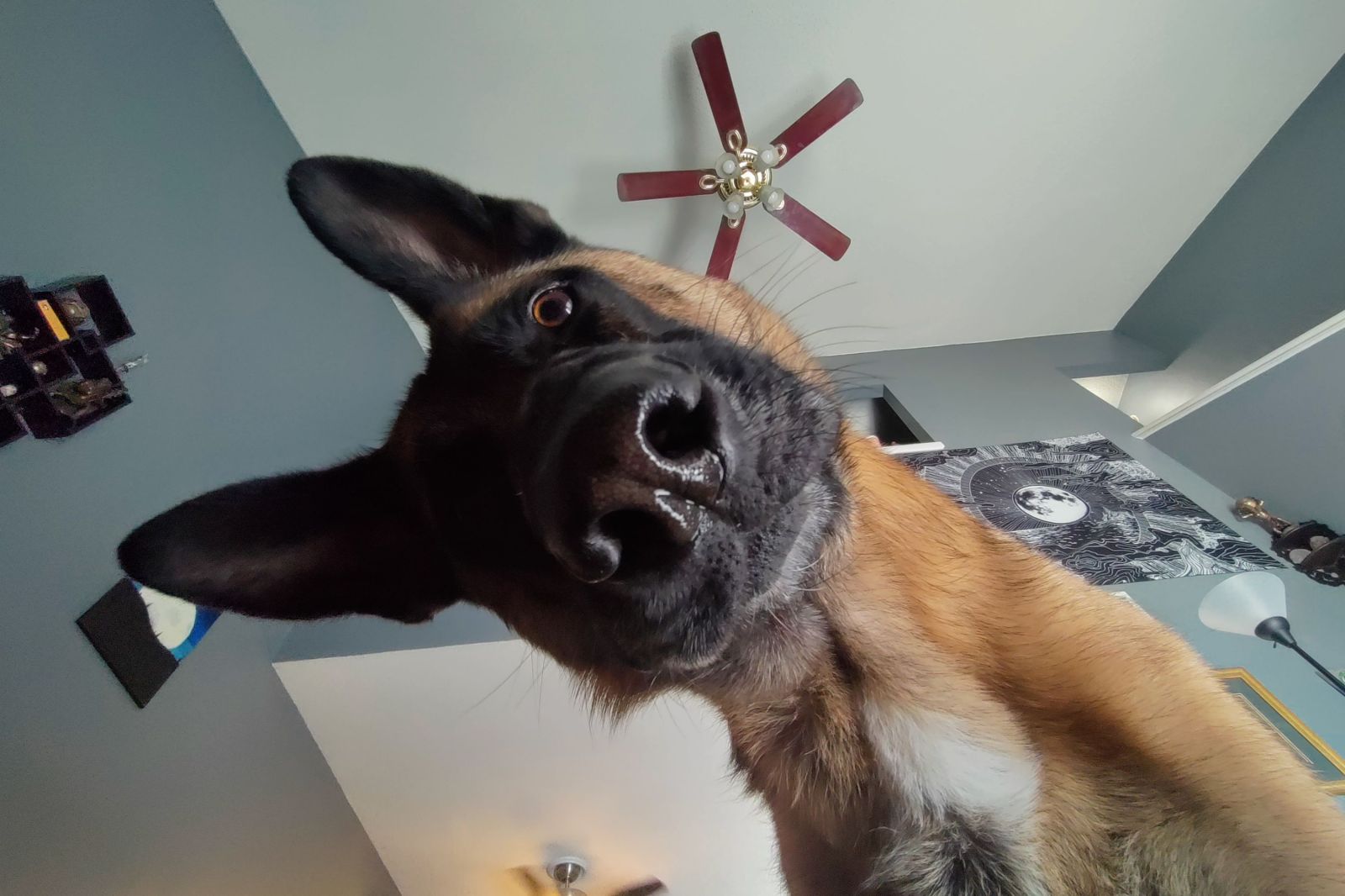
Dogs often display behaviors that can be described as ‘nosy,’ but this is usually just their natural curiosity. A dog’s desire to explore is tied to their need to gather information about the world around them. Dr. Noe Galvan, a member of the Fetch Pet Veterinary Advisory Board, explains that dogs are perceptive creatures, and their curiosity answers questions much like human curiosity does.
How Dogs Experience Curiosity
Dogs predominantly experience their environment through smell. While humans rely on sight, dogs’ noses are their primary tool for understanding what’s around them. When a dog sniffs a new area, they might wonder who was there before, what occurred, or if something interesting is nearby.
Signs of a naturally curious dog include a neutral body position, erect ears, focused eyes on new stimuli, and sniffing. Other behaviors that indicate curiosity might include tasting and licking objects, listening closely, pawing at items, watching unfamiliar people or animals, and vocalizations such as growling or barking. Dr. Galvan mentions that a dog may also pace the perimeter of a yard or sniff spots marked by other pets to gather information about previous visitors.
Why Some Dogs Are More Investigative
Not all dogs exhibit the same level of curiosity, and it doesn’t necessarily depend on breed. Historical breeding practices developed some traits that encourage investigative behaviors, such as hunting, tracking, and herding. Curiosity manifests differently among dogs based on their instincts, social interests, boredom, and overall drive to explore. Some dogs are scent-driven, focusing on following trails, while others might investigate sounds in hopes of finding food. The combination of training and inherent drive often determines how they act upon their curiosity.
When Curiosity Becomes a Concern
While curiosity is generally healthy, it can occasionally lead dogs into unsafe situations. Investigating sounds while hiking might lead to encounters with wildlife like rattlesnakes. However, a dog’s heightened awareness can also alert owners to potential dangers. It’s crucial for dogs to be able to disengage from whatever captures their attention to avoid persistent fixations that might lead to problems.
Distinguishing Curiosity from Anxiety
Curiosity in dogs can sometimes resemble anxiety. Understanding the subtle differences is key to recognizing if a dog is stressed. Signs of anxiety include excessive whining, unwarranted panting, constant following, difficulty relaxing, and repetitive actions. A curious dog will typically investigate and then return to normal activities, whereas an anxious dog may remain fixated and show signs of discomfort.
Encouraging Healthy Curiosity
Owners can channel their dog’s curiosity into productive activities through enrichment and training. Dogs, especially those bred for tasks, may need more stimulation. Providing outlets for curiosity involves allowing additional sniffing time on walks, utilizing puzzle toys, conducting training exercises, and engaging in scent-based activities. This not only helps channel their drive but also supports their inquisitive nature.
Ultimately, your dog’s investigative nature reflects their instinct to learn about their environment. As they explore every visitor, corner, and sound, they engage in what dogs do best: understanding their surroundings.