
Every two years, a familiar scene unfolds in Washington. The party not in power senses an opportunity, pundits quickly predict outcomes, and by October, the election results seem predictable. However, the confidence behind these predictions is more complex than it appears. In 2026, what matters most is not the electoral math but the plans of the party seeking power if they succeed.
Over the past 80 years, the party of the sitting president lost seats in the U.S. House of Representatives in 18 out of 20 midterm elections. This is known as the thermostat effect. When one party gains control, voters often seek a balance, regardless of the party’s performance. Voter turnout also presents a challenge for the incumbent party. The winners usually become complacent, while the losing side remains motivated and heads to the polls. Presidential elections offer a choice between two visions; midterms become an assessment of the party in power.
Electoral Challenges for Republicans
This time, Republicans face a narrow margin they need to defend. Democrats require a net gain of only five seats to obtain a majority. With Republican approval ratings below 45% for much of the year, the GOP finds itself in a historically poor position for the president’s party. At the same time, the political scene has no clear precedent. Analysts continue to apply old models to a changing landscape.
President Donald Trump is the second president in U.S. history to serve non-consecutive terms, following Grover Cleveland. Cleveland’s return to office did not help his party; by midterm, Democrats lost around 116 House seats in 1894 during a severe depression. Presently, the situation appears more favorable for Republicans. The electoral map has seen significant changes. Texas redrew boundaries to secure five more Republican seats, while California’s new map benefits Democrats.
Other states had varied results. Missouri, Ohio, North Carolina, and Indiana veered right. Utah’s court-mandated map favors Democrats. Virginia’s attempted gerrymander was nullified. The Supreme Court upheld both the Texas and California maps, cancelling out major strategic moves. The final map slightly favors Republicans. While forecast models suggest a Democratic lean, it’s not a certainty.
Critical Issues for Voters
As voters go to the polls, they must consider what the Democrats are offering. Their campaign focuses on affordability around groceries, rent, and healthcare. However, differences between these messages and their governing records are noticeable in states under Democratic control.
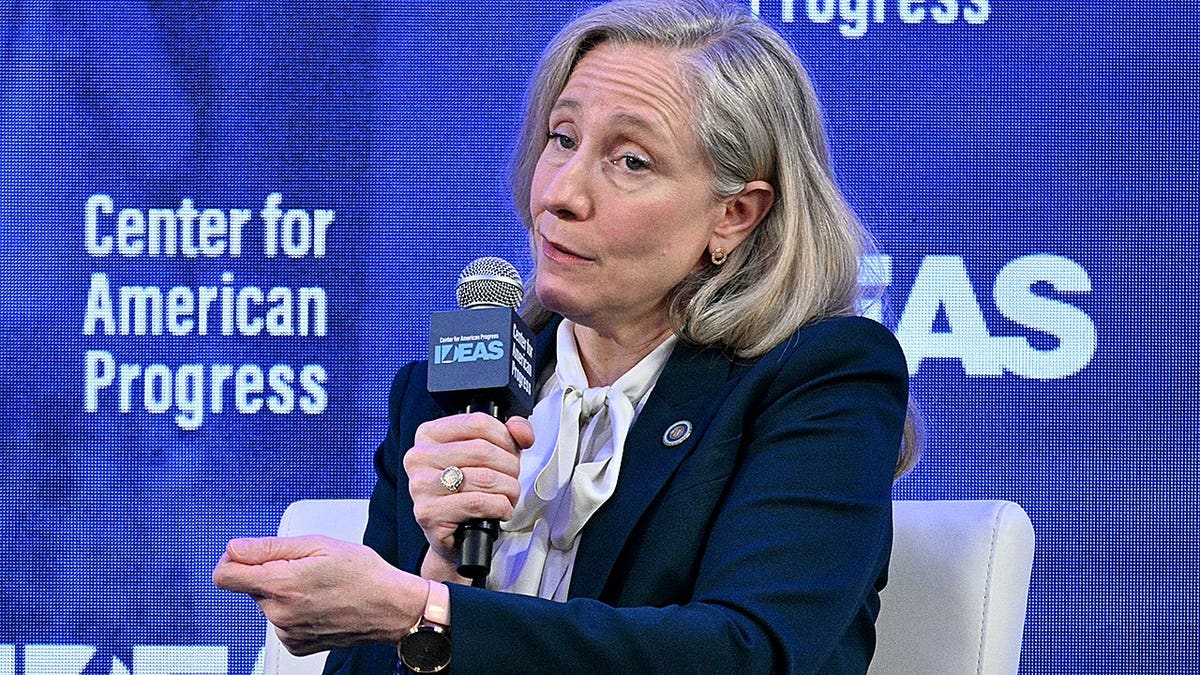
For instance, Virginia Democrat Governor Abigail Spanberger campaigned on affordability while opposing gerrymandering. Despite this, she supported a gerrymander, later struck down by her own state’s Supreme Court. She also enacted a ban on various semiautomatic rifles and magazines, which judges have blocked, citing potential unconstitutionality.
National Democratic Focus
Michigan’s Abdul El-Sayed centered his Senate campaign on Medicare for All, acknowledging potential new taxes for most citizens, calling it a worthy trade-off. Nationally, Democrats are not addressing the pressing economic issues. Instead, they are preparing extensive investigations into President Trump and his administration.
Subpoenas and lawsuits are in progress before any votes are cast. Such actions do not aim to reduce costs for the public. History indicates that the opposition party generally fares well in midterm elections. Yet, historical trends do not predict how a party will govern once in power. Democrats’ plans are evident, and American voters should pay attention.
Matt Schuck serves as the Executive Vice President at Tholos Government Relations. He previously worked as a senior House aide and is an alumnus of Trump’s 2016 campaign and administration.