
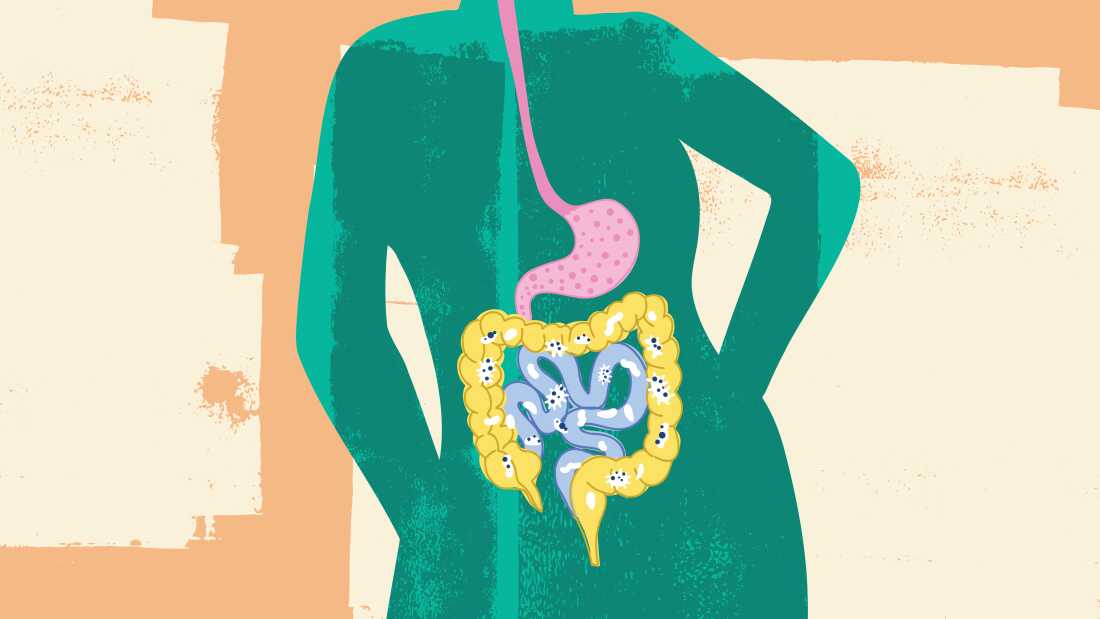
The gut microbiome’s composition in healthy individuals can vary significantly, influenced by geography, lifestyle, diet, and genetics, among other factors. Recently, interest in the gut microbiome has surged, leading to many claims about its impact on overall health. This complex ecosystem of bacteria and microorganisms in our intestines affects our health beyond digestion, influencing the immune system, mood, cognition, and metabolism. Increased awareness of its importance has fostered a market for advice and products suggesting the need to constantly test or optimize these microorganisms, often outpacing scientific evidence.
A Challenge in Defining a Healthy Gut Microbiome
Defining a healthy gut microbiome is complex. Hannah Holscher, a professor of nutrition at the University of Illinois, notes there is no consensus on what constitutes a healthy microbiome due to significant variation among individuals. While scientists have clues about desirable traits such as high microorganism diversity and resilient response to disruptions, a single metric for gut health like cholesterol or blood pressure doesn’t exist. Some bacteria groups correlate with health, but none serve as universal markers, as higher diversity can also associate with certain diseases.
Understanding Microbial Functions
Research has identified bacterial groups linked to better health, showing the significance of their functions rather than their mere presence. Dr. Alexander Khoruts of the University of Minnesota notes the importance of microbial communities as a whole rather than focusing on individual microbes, indicating potential dysfunction within the entire group. A study involving over 40,000 gut microbiomes ranked certain bacteria like Roseburia and Faecalibacterium as keystones of health. Despite these findings, different people may respond variably to similar diets and interventions.
Modern Microbiome Adjustments
Though social media suggests the modern microbiome is damaged, Dr. Fergus Shanahan describes the situation as more nuanced. Industrialized societies have altered our gut health due to factors like antibiotics and refined foods. However, swapping our microbiome with an ancestral version might not be beneficial. Changes that occurred over time may have transformed once-beneficial bacteria into liabilities in today’s environment.
Questioning Over-the-Counter Tests
The market for at-home microbiome testing offers claims of detailed insights into gut health, often yielding hundreds of microbial and metabolite measurements. Dr. Khoruts, however, highlights these results as clinically meaningless due to no standardized definition of a healthy microbiome. Different companies using diverse methods can produce varying results from the same samples, raising questions about their reliability.
The Truth About Probiotics
Probiotics, often presented as beneficial supplements, must be live, present in adequate quantities, and proven to benefit health. Shanahan points out the marketing often overstates their scientific backing. Nevertheless, some probiotic strains have empirical support for specific conditions like antibiotic-related diarrhea and certain bowel diseases. Contrary to popular belief, probiotics don’t permanently colonize the gut but rather temporarily enact beneficial effects.
The Benefits of Fiber and Fermented Foods
Experts agree that increasing dietary fiber from fruits, vegetables, and nuts is vital for supporting the gut microbiome. Research indicates that increasing fiber intake can rapidly enhance microbiome diversity. Additionally, fermented foods like kimchi and yogurt can positively influence microbial diversity and reduce inflammation, offering a straightforward method to incorporate probiotics into one’s diet.
Foods and Habits to Avoid
Experts advise focusing on the overall diet rather than single foods. Whole foods should dominate the diet, minimizing refined sugars and saturated fats. There is growing evidence linking ultra-processed foods to detrimental changes in the microbiome, while limiting alcohol consumption can help maintain microbiome health.
The Influence of Lifestyle
Lifestyle significantly affects gut health. Adequate sleep, exercise, and psychological well-being can positively influence the microbiome. Dr. Khoruts suggests that those experiencing gut issues can often find relief by making simple lifestyle changes, reinforcing the notion that traditional health practices remain effective.