
As the midterm elections near, progressive Democrats have introduced a term with significant implications. What was once referred to as ‘The 1%’ is now called ‘The Epstein Class.’ This term carries complex connotations. Prominent Democrat figures like Georgia Sen. Jon Ossoff and Maryland Rep. Jaime Raskin have been using it recently.
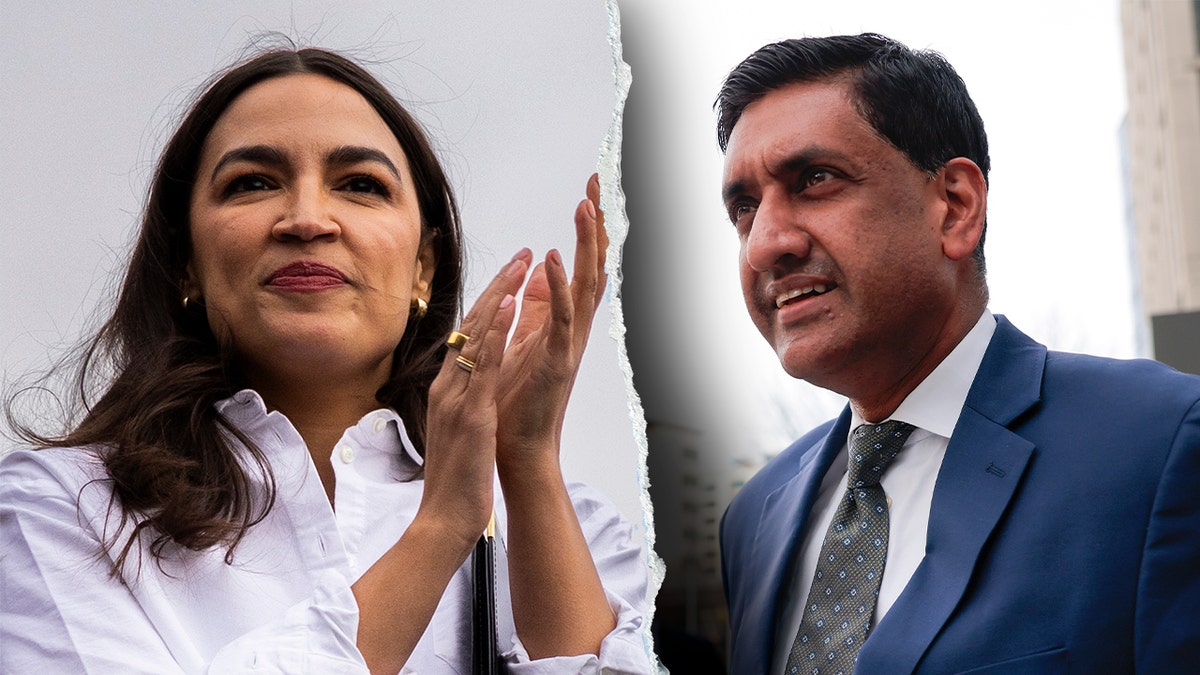
To understand who constitutes the so-called ‘Epstein Class,’ I reached out to Rep. Ro Khanna, D-Calif. Our conversation provided some insight, although the definition remained somewhat unclear. The exchange illustrates what this label refers to, even if its exact meaning is not entirely resolved.
During our discussion, I suggested names like Elon Musk, George Soros, and Tom Steyer. Khanna did not specify individuals but stated, “What the Epstein files revealed is a group of powerful and wealthy men more concerned with their status and networks than decency and humanity.” He described them as prioritizing their status over any moral responsibility, leading to socioeconomic imbalance.
When asked about potential conspiracy theories related to the ‘Epstein Class,’ Khanna clarified, “I am not alleging a secret cabal.” He emphasized that the term stands for an elite group with significant economic influence, drawing parallels to historical ‘economic royalists.’
By the end of our conversation, it became evident that while the term ‘Epstein Class’ seems rooted in references to Jeffrey Epstein, its use reflects broader themes from the Occupy Wall Street movement against the wealthy elite. Although the term’s connections to Epstein might sound ominous, its application seems driven by more general economic criticisms.
This controversial terminology has not been limited to Democrats. Figures on the right, including former Rep. Marjorie Taylor Greene and Rep. Thomas Massie, R-Ky., have embraced ‘Epstein Class’ rhetoric to discuss various policy issues. Yet, these discussions rarely offer specific evidence.
For voters, the crucial takeaway is that the ‘Epstein Class’ discourse appears to target select wealthy individuals involved in politics, not all wealthy people per se. Its narrative warns of rich individuals influencing political outcomes.
Despite the lack of concrete examples or evidence, the use of terms like ‘Epstein Class’ influences public discussions on wealth and power in politics. For those wary of these narratives, questioning and understanding these terms before accepting them is essential for a balanced political landscape.