
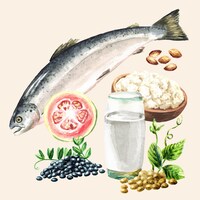
Protein is a frequently discussed topic, and with reason. Americans have developed a strong interest in this nutrient, sometimes leading to confusion about its actual benefits and requirements. Fitness enthusiasts and wellness influencers often promote the idea of ‘protein-maxxing’—consuming large quantities of protein. This trend is supported by products like protein-infused coffee, chips, and even soda.
However, the question remains: does the average person truly need this much protein? The frequent discussions may obscure the basic understanding of how much protein is necessary for optimal health.
Protein, a key macronutrient alongside fat and carbohydrates, plays a critical role in the body’s functions. It consists of amino acids, which the body uses to build muscle and create hormones, enzymes, antibodies, and neurotransmitters, among other things.
Protein is essential for health, but how do you know if you’re consuming the right amount?
Explore these questions to assess your knowledge and understanding of protein:
- What happens if you consume too much protein?
- What are the effects of consuming insufficient protein?
- In what situations should you prioritize protein intake?
- Is peanut butter the leading plant-based protein source?
- Which meat offers the most protein per four-ounce serving?
- How should your protein consumption change as you age?
- Which fruit contains the highest protein content?
- What plant-based foods provide a substantial amount of protein?
- Which seafood has the least protein?
- How does protein intake affect kidney function?
- What constitutes a high-protein breakfast?
- From which source is whey protein powder derived?
Understanding your protein needs is crucial for making informed dietary choices and maintaining overall health. Good luck in enhancing your protein knowledge!