
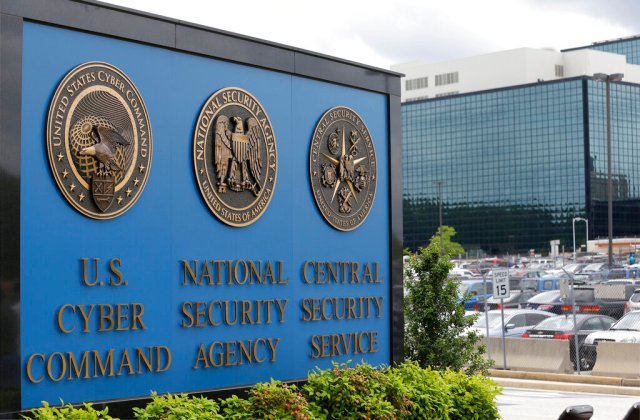
FISA Section 702 is a critical part of the United States surveillance law, set to expire soon. It plays a significant role in national security by allowing the U.S. government to collect foreign intelligence information from non-Americans located outside the country. This authority helps agencies gather vital foreign intelligence without a warrant, focusing mainly on national security threats.
Authorized in 2008 as part of the Foreign Intelligence Surveillance Act (FISA), Section 702 enables surveillance programs aimed at foreign nationals. These programs include PRISM and upstream collection, which gather internet communications and other data.
Supporters argue that Section 702 is essential for thwarting terrorism and other security threats. They claim it provides critical intelligence that has foiled attacks and enhanced national safety. Critics, however, raise concerns about privacy and potential misuse. They worry about incidental collection, where communications of Americans are inadvertently collected during surveillance of foreign targets.
As the expiration date approaches, lawmakers face pressure to renew or amend the law. Some propose reforms to increase transparency and safeguard civil liberties. The debate reflects the need to balance national security and privacy rights.
The expiration of Section 702, if not addressed, could impact intelligence operations, leaving a gap in the country’s security apparatus. The discussion around its renewal involves weighing the benefits of intelligence gathering against the need for privacy and oversight.