
Donald Trump’s expectations from European NATO allies are explicit. He wants them to contribute financially, assume responsibility for their defense, and, with recent developments, assist in the conflict with Iran.
European leaders have recognized their previous insufficient defense spending and have pledged to augment it. However, Trump’s demands have not been fully met, leading to frustrations.
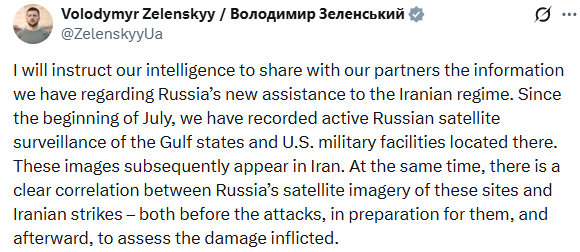
Ukraine, once viewed by the Trump administration primarily as an aid recipient, is eager to prove its worth. An action this weekend highlights Ukraine’s stance. Ukraine targeted an Iranian vessel, and President Volodymyr Zelensky offered to share intelligence on Russia’s alleged surveillance of U.S. military bases.
“Ukraine is effectively demonstrating its value. The question is how Washington will respond,” said Jacob Parakilas, a Research Leader at RAND Europe.
Ukraine’s Active Participation in the Iran Conflict
For over four years, Ukraine’s military and intelligence have been occupied while defending against invasion. Despite these challenges, Ukraine assists the U.S. and its partners in the ongoing Iran war.
On Saturday, Ukraine conducted a long-range strike on vessels linked to Iran in the Caspian Sea, destroying one and causing casualties. Zelensky further directed Ukrainian intelligence to share information about Russia aiding Iran with the U.S., intensifying the situation.
Tehran reacted strongly. Foreign Minister Abbas Araghchi publicly condemned Ukraine’s actions, denying involvement in the Russia-Ukraine conflict. However, evidence of Iran-manufactured attack drones reaching Moscow contradicts Tehran’s claims.
While Ukraine provides the U.S. with actionable intelligence and targets Iranian interests, European NATO partners remain hesitant. They have consistently declined Trump’s calls for military involvement in the Middle East.
Europe’s Defense Strategy
European countries, pressed by Trump to increase defense spending, focus on revitalizing their industries. They aim to produce more weapons and replenish stockpiles. In the interim, Europe continues buying U.S. defense equipment to bridge the gap.
Ukraine, meanwhile, presents itself not as a financial burden but as a defense asset. A recent U.S.-Ukraine bilateral agreement highlights a significant partnership. It combines Ukraine’s extensive combat experience and drone technology with U.S. industrial capabilities.
This agreement allows Ukrainian drones to be evaluated and possibly mass-produced in the U.S., benefiting both nations’ defense sectors.
Collaborating with Gulf States
Ukraine also aids the White House by advising Gulf Arab states on air defense improvements amid Iranian aggression. Recently, Ukrainian specialists traveled to the Gulf to share expertise in countering threats similar to their experiences with Russian military tactics.
Despite needing American systems like the Patriot air defense, Ukraine focuses on practical collaborations, offering technology and knowledge in exchange, rather than seeking aid without reciprocation.
The Balance of Ukraine-U.S. Relations
According to Parakilas, Ukraine’s intense military experiences are shaping its defense expertise, enhancing its value as an ally.
“While Ukraine still needs U.S. support, the bilateral relationship has become more balanced,” Parakilas explained.
Potential Risks and Opportunities
Ukraine’s actions involving Iran introduce complex dynamics. Kyiv’s strike on an Iranian-linked vessel has sparked tension with Tehran and poses risks of escalating the Middle East conflict, potentially complicating U.S. foreign policy.
Though President Trump appreciates assertive allies, he is wary of deeper entanglement in regional conflicts.
For Ukraine, collaborating with the U.S. involves strategic actions against Russia and its allies, positioning Ukraine as a valuable partner for the U.S. It’s about demonstrating direct conflict experience and providing intelligence that enriches the U.S. approach to geopolitical adversaries.
If Trump values allies developing their defense capabilities and sharing intelligence, he might find Ukraine an ally already fulfilling that role.