
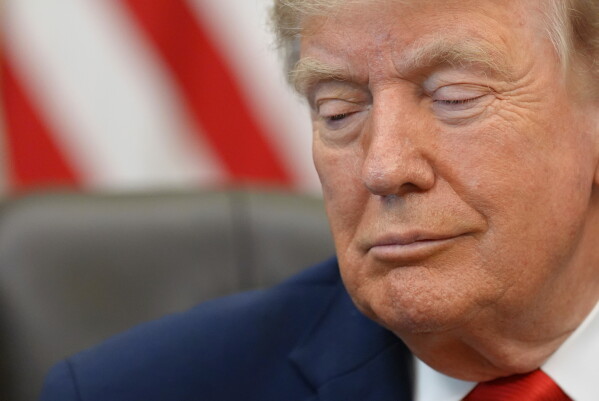
U.S. stocks experienced a significant rally, posting their best day in two months, as oil prices declined. This followed President Donald Trump’s decision to abandon his threat to bomb Iran. The anticipation of a deal potentially resuming the worldwide oil supply supported this market optimism.
Market Performance
The S&P 500 rose 1.8%, recovering from recent losses that had brought it back to early May levels. The Dow Jones Industrial Average gained 929 points, marking a 1.9% increase. The Nasdaq composite saw a 2.5% rise. This upward movement occurred after President Trump announced on his social media platform that discussions with Iran had reached the highest leadership and were approved, with the timing and location of a signing to be announced soon.
A potential agreement could reopen the Strait of Hormuz, allowing oil tankers to transport crude from the Persian Gulf internationally. This led to a 2.6% drop in U.S. crude prices, landing at $87.71 per barrel. Brent crude, the global benchmark, decreased by 2.9% to $90.38, though it remains above pre-war levels of approximately $70.
Economic Implications
The conflict with Iran had previously pushed oil prices higher, driving inflation upward. A recent report indicated that U.S. wholesale prices rose more sharply than anticipated in May. Globally, the European Central Bank responded by raising interest rates, a measure to control inflation, though it may slow economic growth and affect investment values. Investments, especially in sectors like AI, faced scrutiny for possibly being overvalued.
Volatility in AI stocks significantly impacted the U.S. market. Prices fluctuated as investors questioned whether valuations had inflated too quickly. Despite this, AI stocks like Marvell Technology saw impressive gains, climbing 11.1% after wild previous swings.
Investor Reactions
Marvell Technology’s stock moved up, following a turbulent period. Previously, it fell 16.7%, increased 9.6%, and then dropped over consecutive days before a massive single-day surge of 32.5% after Nvidia’s CEO predicted significant future growth. Meanwhile, chip manufacturers like Lam Research and KLA recorded substantial gains as well.
The broader stock recovery partially countered a dip in Oracle’s stocks. Despite exceeding profit expectations, Oracle announced plans to raise $40 billion this fiscal year, adding to last year’s $48 billion for AI investments. This reflected a market cautious of heavy AI-related expenditures.
Bond Market and Future Rates
Declining oil prices lowered inflation pressures, leading to a sharp drop in Treasury yields. The 10-year Treasury yield fell from 4.55% to 4.45%, a notable movement for bonds. A continued decrease in oil prices might prompt the Federal Reserve to maintain current interest rates, shifting away from anticipated hikes due to persistent inflation and a stable job market.
Should inflation decrease sufficiently, the Fed, under new chair Kevin Warsh appointed by Trump, might consider lowering rates once more. Trump has frequently advocated for a reduction in interest rates.
A Global View
Smaller U.S. stocks stood out, benefitting from potential interest rate cuts. The Russell 2000 index rose by 3%. Internationally, stock markets had varied performances, with London’s FTSE 100 rising by 0.5% and Hong Kong’s Hang Seng declining by 0.7%.
AP Business Writers Matt Ott and Elaine Kurtenbach provided contributions to this report.